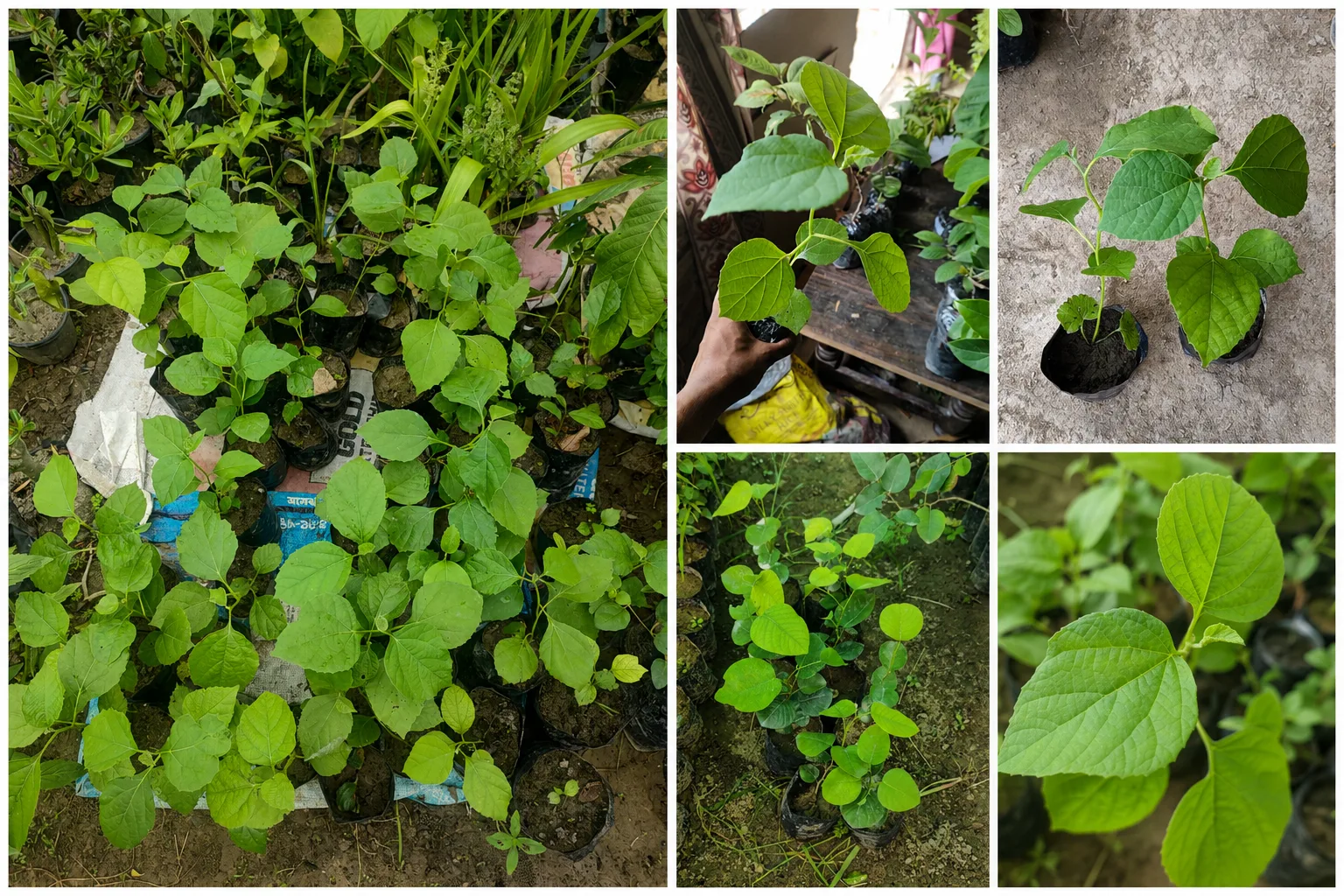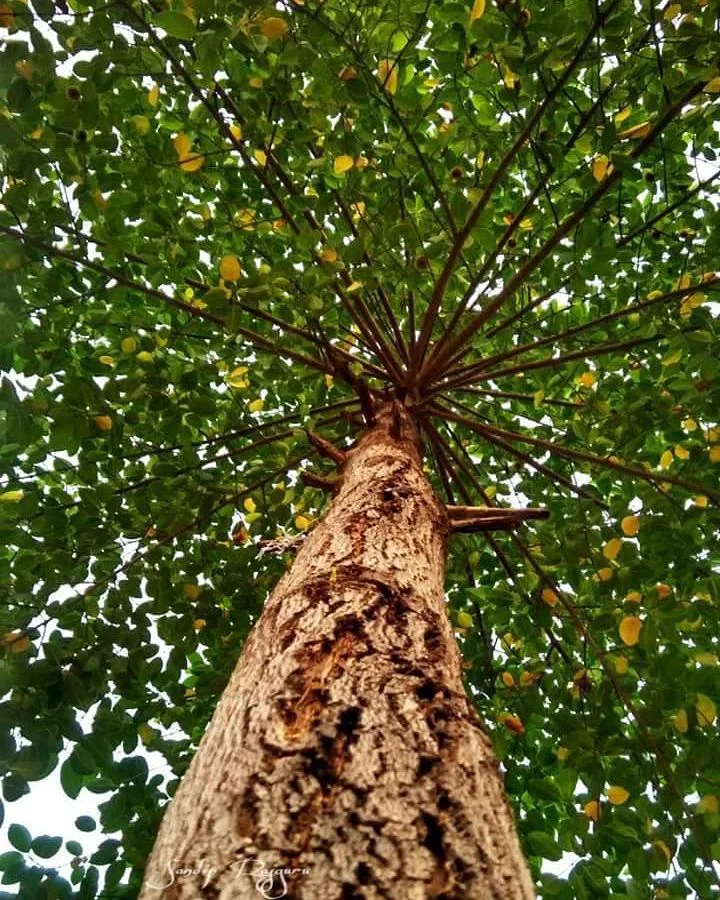
Medium deciduous tree

Lasoda (Hindi/Punjabi: Lasoda)

Cordia dichotoma G. Forst.
Also Known as: Hindi/Punjabi: Lasoda, Lasura Gujarati: Gunda Marathi: Bhokar English: Indian Cherry, Glue Berry Sanskrit: Shleshmataka
A medium-sized deciduous tree native to India, widely known for its sticky, jelly-like drupes used in traditional pickles (Lasode ka achar). It is a vital agroforestry tree, offering shade, fruit, and medicinal bark benefits.
Botanical Family Boraginaceae
Native Region Widely distributed across the Indian Subcontinent, Southeast Asia, Southern China, and Northern Australia.
Growth Habit Medium deciduous tree
Mature Height 10–15 meters
Sunlight Full sun
Water Needs Low to moderate (Drought hardy)
Soil Dynamics Adaptable (loamy to rocky)
Propagation Seeds (requires de-pulping)
Lasoda (Cordia dichotoma G. Forst.)
Image: Lasoda  • Family: Boraginaceae
Available for Order

Order Lasoda

Plant Price
Rs. 100

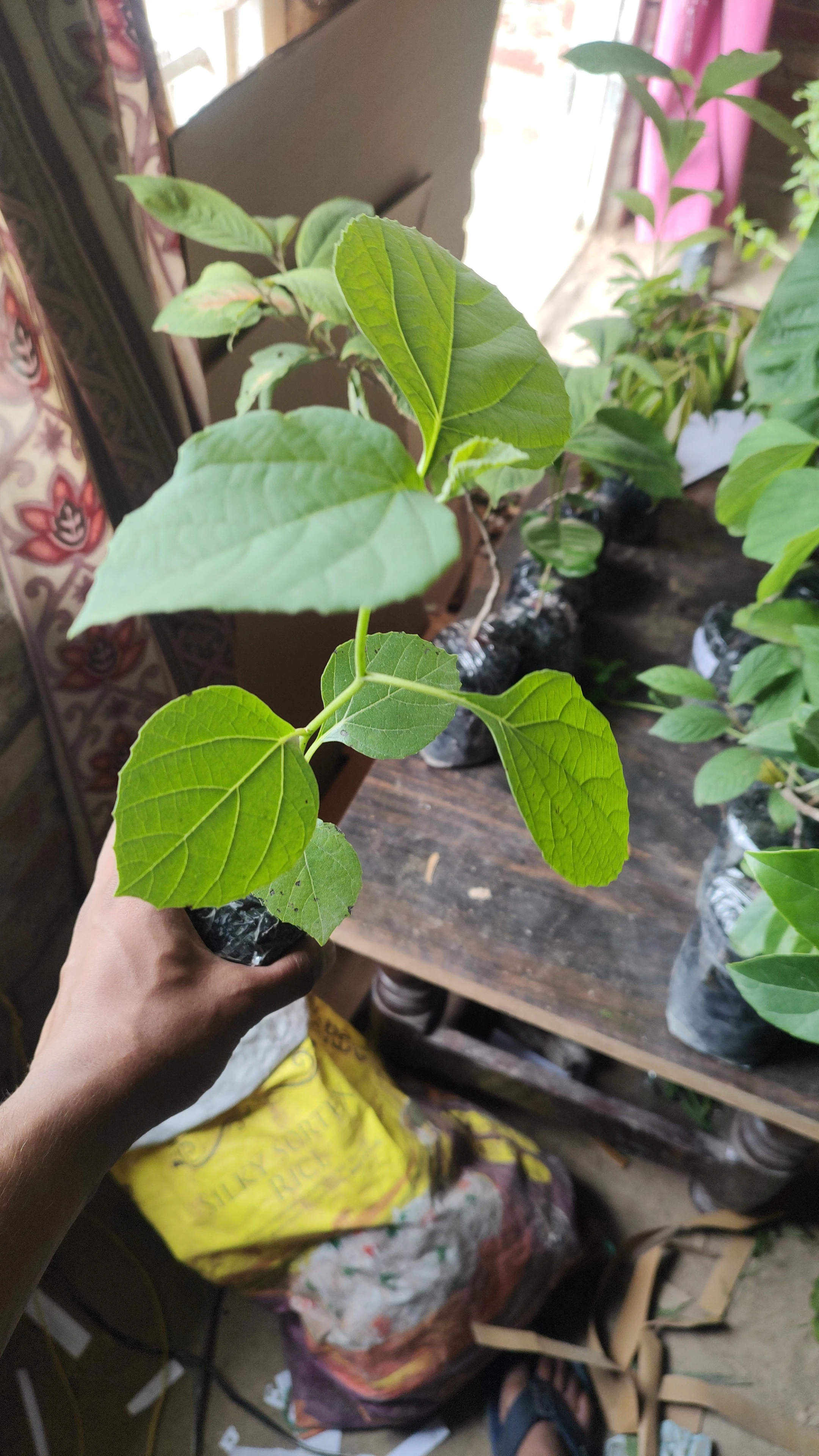
Get a premium, nursery-grown Lasoda (Cordia dichotoma G. Forst.) plant delivered straight to your doorstep. Tap below to connect with us on WhatsApp to request real plant pictures, pot sizes, and shipping options.

Lasoda - Identification & Botanical Features

To identify the Lasoda tree (Cordia dichotoma) in the wild or in backyard gardens, look for these distinct characteristics across its leaves, bark, flowers, and fruit:

1. Leaves & Foliage

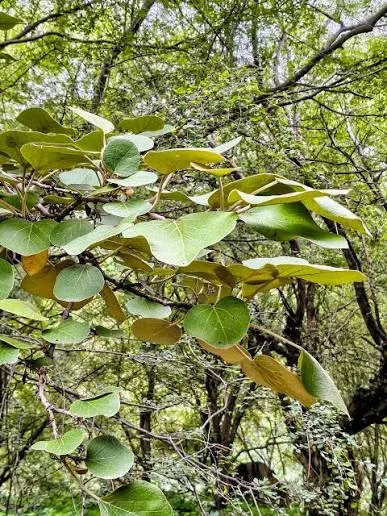
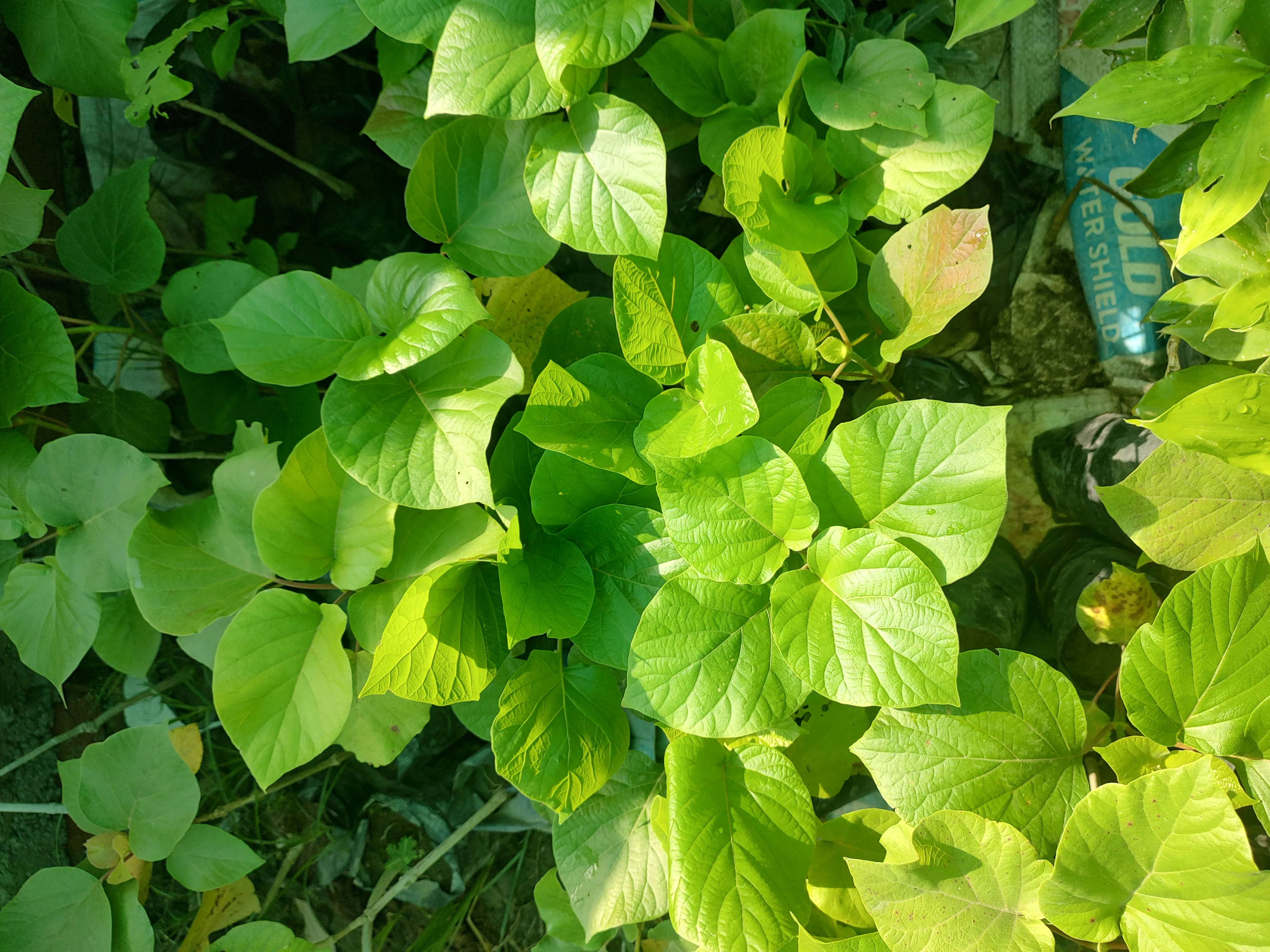
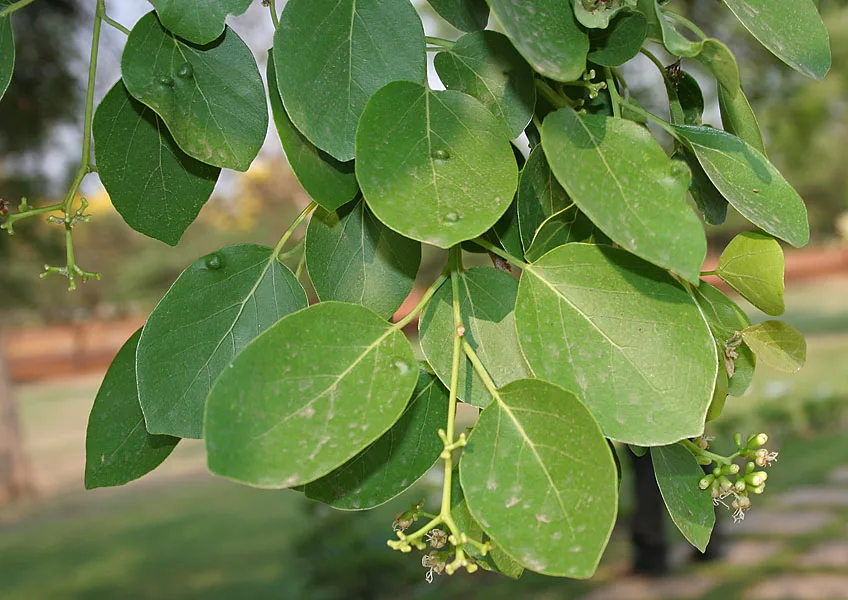
The leaves are alternate, broad, and oval to egg-shaped (7–15 cm long). The upper surface is smooth, shiny green, and flexible, with slightly wavy edges. The underside is pale green and hairless, with 3 to 5 prominent main veins branching out from the base.

2. Trunk & Bark Texture

Lasoda grows into a medium-sized tree (30 to 45 feet tall) with a spreading canopy and drooping branches. Its trunk is covered in rough, dark greyish-brown bark marked with shallow vertical furrows. Unlike Dahiman, young branches and twigs are slender, smooth, and green rather than thick and woolly.

3. Flowers & Blooming Season

From March to May (spring), the tree produces dense, spreading clusters of small, fragrant, creamy-white flowers (about 6–8 mm across) that attract bees and pollinators.

4. Fruits (The "Glue Berry" Test)

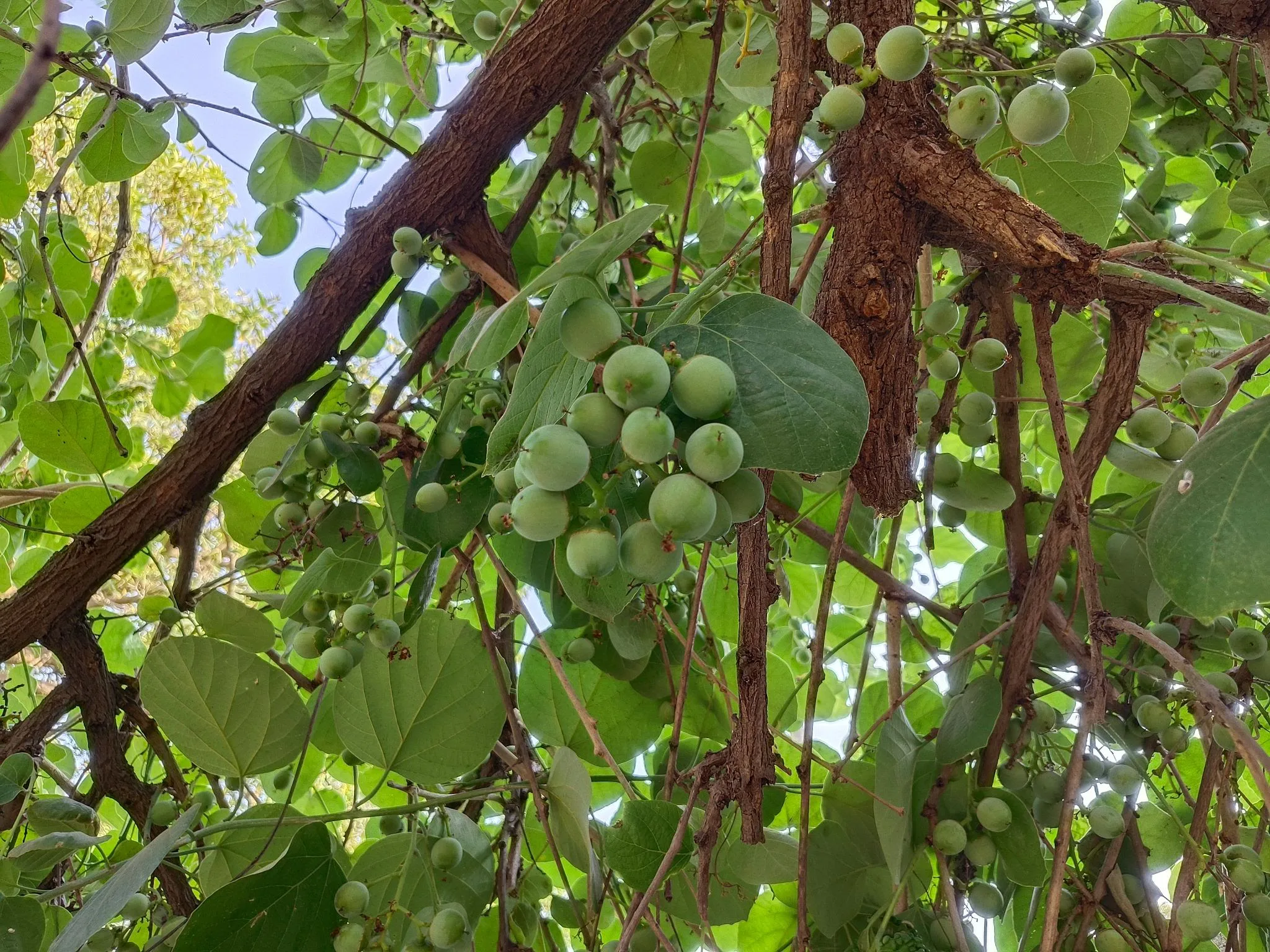
Between April and July, the flowers turn into glossy, round green berries that ripen to a translucent yellowish-pink or pale brown. Squeezing a fresh fruit reveals a thick, clear, sticky jelly-like pulp (mucilage) surrounding a single hard seed stone—the definitive field test for Lasoda.

Quick Field Tip (Lasoda vs. Dahiman): Lasoda has smooth, glossy leaves and intensely sticky, edible fruit pulp used for pickles. Dahiman has rough, sandpapery leaves with a dense velvety underside, non-sticky fruits, and leaves that turn black when scratched ("Sitapatra").
How to grow Lasoda

Lasoda is a fast-growing, resilient deciduous tree well-adapted to subtropical and tropical climates. It is drought-hardy and thrives in backyards, farm boundaries, and agroforestry systems with minimal maintenance once its taproot establishes.

Soil Requirements & Potting Mix

  • Soil Type & Drainage: Performs best in deep, porous, well-draining soils such as sandy loam, alluvial soil, or light red soil with a neutral to slightly alkaline pH (6.5 to 7.8). Avoid heavy waterlogged clay that restricts root oxygen.
  • Nursery / Potting Mix: For seed germination and container saplings, use an equal blend of Garden Soil : Coarse Sand : Vermicompost (1:1:1) or well-rotted cow manure for optimal aeration and early root vigor.

Seed Propagation & Sowing Protocol

  • De-pulping: Fresh ripe fruits collected in early monsoon (June–July) have thick sticky mucilage. Rub the seeds thoroughly in coarse dry sand and wash in clean water to completely remove the pulp and prevent fungal rot.
  • Pre-treatment (Soaking): Soak the cleaned hard seeds in room-temperature water for 12 to 24 hours prior to planting to soften the woody seed coat.
  • Sowing Depth: Plant seeds in polybags or seedling trays at a depth of 1.5 to 2 cm. Germination typically begins in 14 to 25 days under warm, moist conditions.
  • Vegetative Methods: Semi-hardwood stem cuttings treated with rooting hormone (IBA) and pre-monsoon patch budding/grafting can also be used for high-yield fruit varieties.

Routine Care, Sunlight & Maintenance

  • Sunlight: Requires full, direct sunlight (6+ hours daily) for vigorous shoot development, abundant spring flowering, and heavy fruit yield.
  • Watering Schedule:
    • Young Saplings (First 1–2 Years): Water 2 to 3 times per week to keep the root zone moderately moist, letting the top inch of soil dry out between waterings.
    • Established Trees: Highly drought-tolerant once mature; requires supplemental watering primarily during the peak dry flowering/fruiting period (March–May).
  • Nutrient Management: Top-dress the base with 5 to 10 kg of decomposed farmyard manure (FYM) or compost per tree annually at the onset of the monsoon (July) and again in late winter (February) before new flowering shoots emerge.
  • Pruning & Canopy Training: Prune lower lateral shoots during the first two seasons to train a clean, straight main trunk up to 4–5 feet. For mature trees, prune dry, crowded, or diseased branches every winter (December–January) to improve air circulation and encourage productive fruiting spurs.

Horticultural, Timber & Ecological Uses

Beyond its culinary pickle fruits and home remedies, the Lasoda tree (Cordia dichotoma) is a multipurpose agroforestry species that provides valuable timber, nutrient-rich livestock fodder, and key ecological benefits to tropical landscapes.

1. Horticultural & Agroforestry Value

  • Windbreak & Boundary Tree: Due to its deep taproot and dense, spreading canopy, Lasoda is widely planted along farm borders, orchards, and rural homesteads to act as a windbreak and natural shade provider.
  • Livestock Fodder: The nutrient-rich, palatable green leaves are routinely lopped during dry summer months as a nutritious supplemental fodder for cattle, goats, and sheep.
  • Living Support & Trellis: In traditional multi-cropping and agroforestry systems, the strong main trunk is often used as a living standard or trellis for black pepper, betel vine, and other climbing crops.

2. Timber Characteristics & Woodcraft

  • Wood Properties: Lasoda yields a moderately hard, lightweight to medium-weight timber (specific gravity approx. 0.50–0.65). The sapwood is pale yellowish-white, while the heartwood seasons to an olive-brown to dark brown hue with a straight to interlocked grain.
  • Workability & Seasoning: The wood is easy to saw, plane, turn, and finish. It seasons well without severe cracking or warping when air-dried properly under shade.
  • Everyday Craft Uses: Traditionally used in rural woodcraft to make agricultural tool handles, cart wheels, packing boxes, lightweight furniture, boat knees, and curd churners (mathani).
  • Natural Cordage & Fiber: The tough inner bark contains strong bast fibers that villagers strip and twist into durable ropes, cords, and caulking material for wooden boats.

3. Ecological Role & Wildlife Support

  • Pollinator Haven: The fragrant white spring flower clusters produce abundant nectar, attracting honeybees, wild stingless bees, butterflies, and nectar-feeding insects between March and May.
  • Avian & Mammalian Food Source: Ripe, sweet, mucilaginous fruits provide critical sustenance during the pre-monsoon heat for frugivorous birds (such as bulbuls, barbets, and parakeets), bats, and squirrels, which also act as natural seed dispersers.
  • Soil Stabilization & Microclimate: The deep, spreading root system binds sandy and loose soil to curb erosion on slopes, while its broad leaf litter breaks down into rich humus that enhances topsoil organic content.

Cordia dichotoma G. Forst. - Traditional Uses

In classical Ayurveda and traditional Indian village medicine, Lasoda (Cordia dichotoma) is revered under the Sanskrit name Shleshmataka (श्लेष्मातक)—a name derived from shleshma (mucus/kapha), highlighting its historical role in balancing phlegm, cooling bodily heat, and soothing irritated respiratory pathways.

Everyday Folk & Ayurvedic Remedies

  1. Dry Cough, Sore Throat & Hoarseness: The thick, gelatinous mucilage inside fresh or dried Lasoda fruits coats mucosal linings. A boiled tea or decoction (kwath) of the dried fruits sweetened with unrefined sugar or honey is a time-tested home remedy for persistent dry coughs, bronchitis, and vocal strain.
  2. Fever & Digestive Heat (Pitta Balance): The astringent, cooling bark (Lasode ki Chaal) is boiled into a light tonic to ease intestinal inflammation, soothe stomach ulcers, reduce burning sensations, and assist recovery during bilious fevers.
  3. Wound Cleansing & Skin Irritation: Freshly crushed tender leaves or a paste made from the stem bark is applied topically over boils, minor burns, and ringworm infections to reduce redness, cool the affected tissue, and accelerate natural skin healing.
  4. Joint Support & Summer Stamina: Ripe, sweet fruits are consumed during peak summer as a nourishing food tonic believed to lubricate joint tissues (snigdha guna) and improve seasonal endurance.
  5. Oral Health: A warm water gargle prepared by steeping bark powder and alum helps firm up loose gums, soothe mouth ulcers, and reduce gum bleeding.

Culinary Traditions & The "Lasode ka Achar" Heritage

Beyond folk formulations, Lasoda is a nutritional staple in North and West Indian rural cuisine:

  • Gunda Pickle (Lasode ka Achar): Unripe, tart green fruits harvested in late spring are parboiled, de-seeded with oiled knives, stuffed with roasted fenugreek, mustard, raw mango shreds, and asafoetida, and preserved in cold-pressed mustard oil. The natural mucilage softens over time, yielding a tangy digestive condiment prized across Rajasthan, Gujarat, and Uttar Pradesh.
  • Seasonal Dry Curries & Sabzi: In village kitchens, tender green fruits and young leaves are sautéed with curd, spices, and besan (gram flour) into seasonal summer curries that promote appetite and digestive comfort.

Folk Beliefs & Rural Applications

  • Organic Adhesive: In village schoolrooms and rural bookkeeping, the thick, clear gel squeezed from ripe fruits was historically used as a natural, long-lasting glue to bind paper and ledger folios.
  • Cooling Mathani (Curd Churners): Like Dahiman, wooden kitchen tools and hand churners carved from dense Lasoda branches are traditionally believed to impart digestive cooling qualities to summer buttermilk.
* Editorial Notice: Ethnobotanical and traditional Ayurvedic entries represent historical ethnographic documentation and should not be construed as clinical medical advice.
Knowledge Matrix

Botanical Articles Referencing Lasoda

View all articles →
Taxonomic Relatives

Other Species from the Boraginaceae Family

Dahiman Plant

Cordia macleodii Hook. f. & Thomson
Vernacular: Dahiman, Dahipalas, Sitapatra, Dahiwan, Shikari, सीतापत्ता

Looking for authentic Dahiman Plant (Cordia macleodii / Sitapatra)? Discover identification facts, medicinal benefi...