🇮🇳 यह पौधा प्रोफ़ाइल और सम्पूर्ण जानकारी हिन्दी (Hindi) में भी उपलब्ध है।
🇮🇳 हिन्दी में पढ़ें ➔
Evergreen to Semi-Deciduous Canopy Tree

Kadamba Tree (Burflower Tree / कदम्ब (Kadam))

Neolamarckia cadamba
Also Known as: कदम्ब (Kadam), Kadamba (कदम्बक), Burflower Tree, Laran, Haripriya
Neolamarckia cadamba (syn. Anthocephalus cadamba), commonly known as Kadamba or Kadam, is a fast-growing, large tropical evergreen-to-deciduous tree native to South and Southeast Asia. Belonging to the Rubiaceae (coffee) family, it is revered in Indian mythology and forestry for its unique globe-shaped, fragrant orange blossoms and expansive horizontal canopy. Kadamba serves a versatile purpose across commercial pulp/timber manufacturing, traditional perfume (attar) distillation, and classical Ayurvedic medicine for wound healing and fever alleviation.
Botanical Family Rubiaceae
Native Region Indian Subcontinent, Southeast Asia (India, Nepal, Bangladesh, Sri Lanka, Malaysia, Indonesia)
Growth Habit Evergreen to Semi-Deciduous Canopy Tree
Mature Height 20 – 45 meters (65 – 148 ft)
Sunlight Full Sun (pioneer fast-growing species)
Water Needs Moderate to High (thrives in riverine/monsoon floodplains)
Soil Dynamics Moist, well-draining alluvial loam, sandy loam; pH 5.5 – 7.5
Propagation Seeds (minute) and stem cuttings
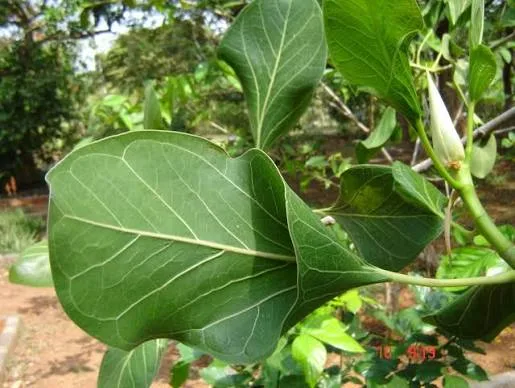
Kadamba Tree (Neolamarckia cadamba)
Image: Kadamba Tree  • Family: Rubiaceae
Available for Order

Order Kadamba Tree

Plant Price
Rs.150

Get a premium, nursery-grown Kadamba Tree (Neolamarckia cadamba) plant delivered straight to your doorstep. Tap below to connect with us on WhatsApp to request real plant pictures, pot sizes, and shipping options.

Kadamba Tree - Identification & Botanical Features

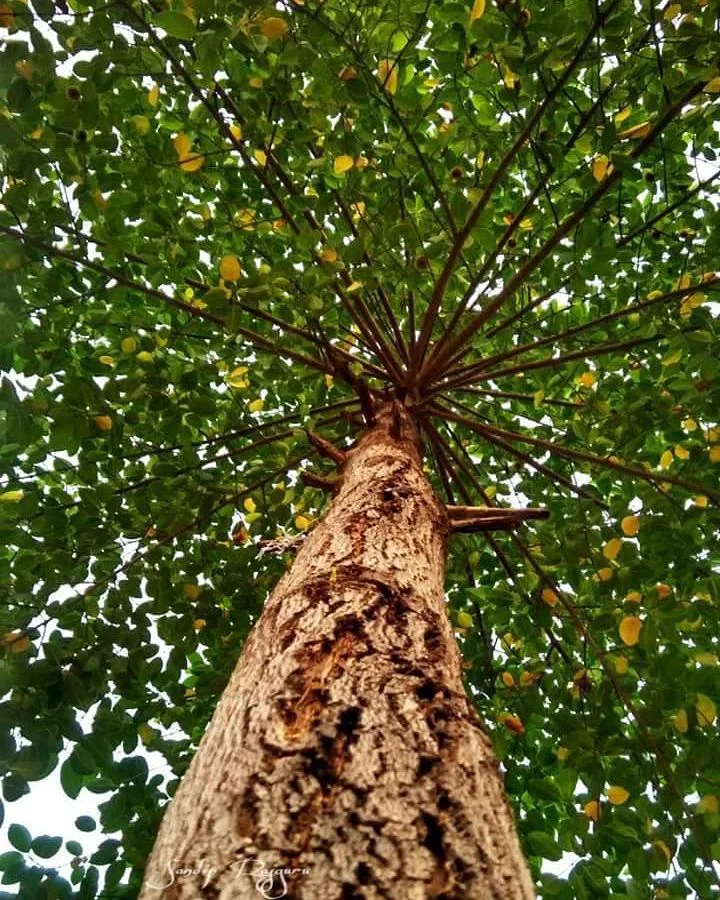
  • Trunk & Growth Form: Fast-growing straight cylindrical bole with characteristic tiered horizontal branches forming a dense umbrella crown. Bark is grey and smooth when young, turning darker and fissured with age.
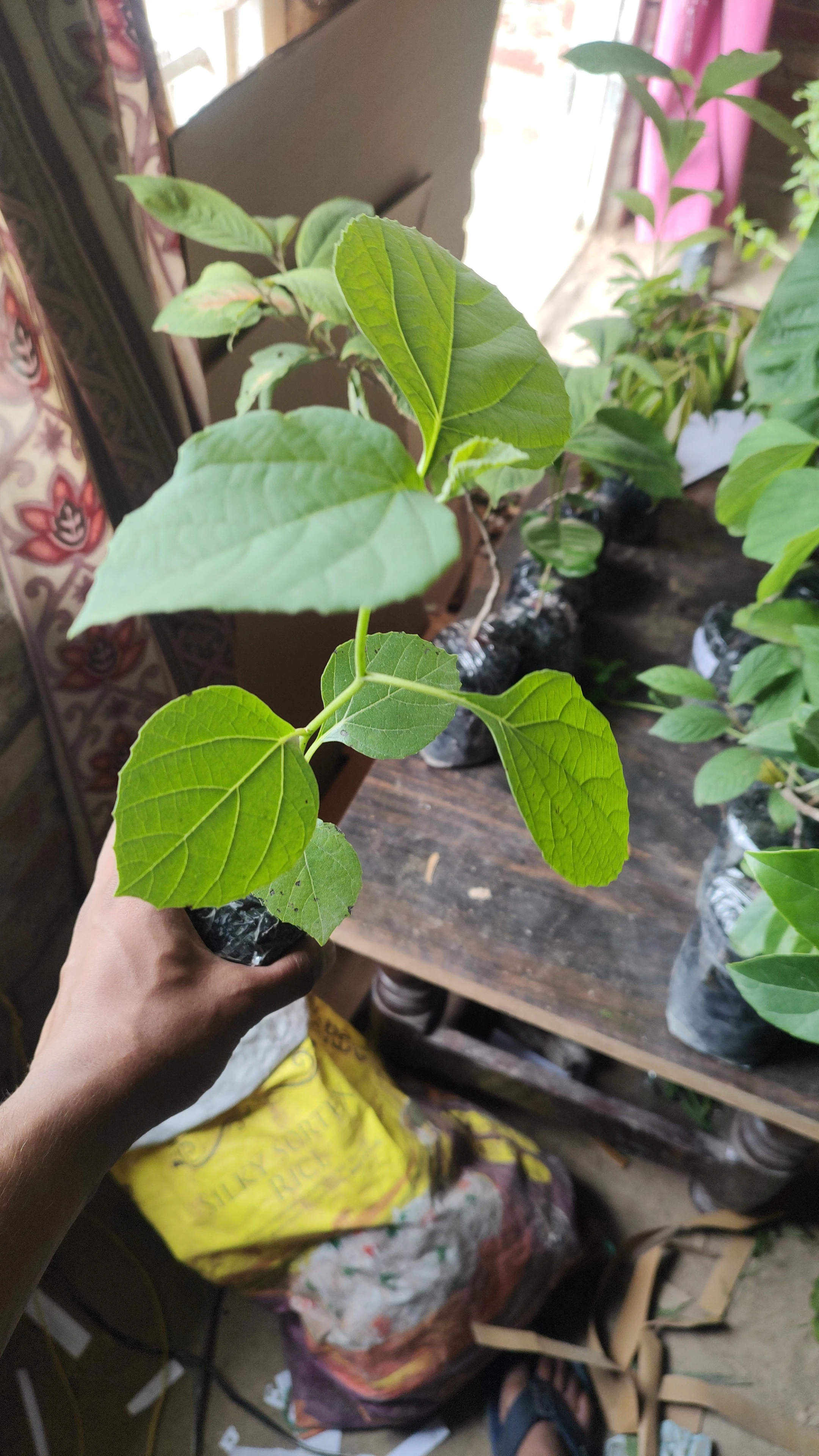
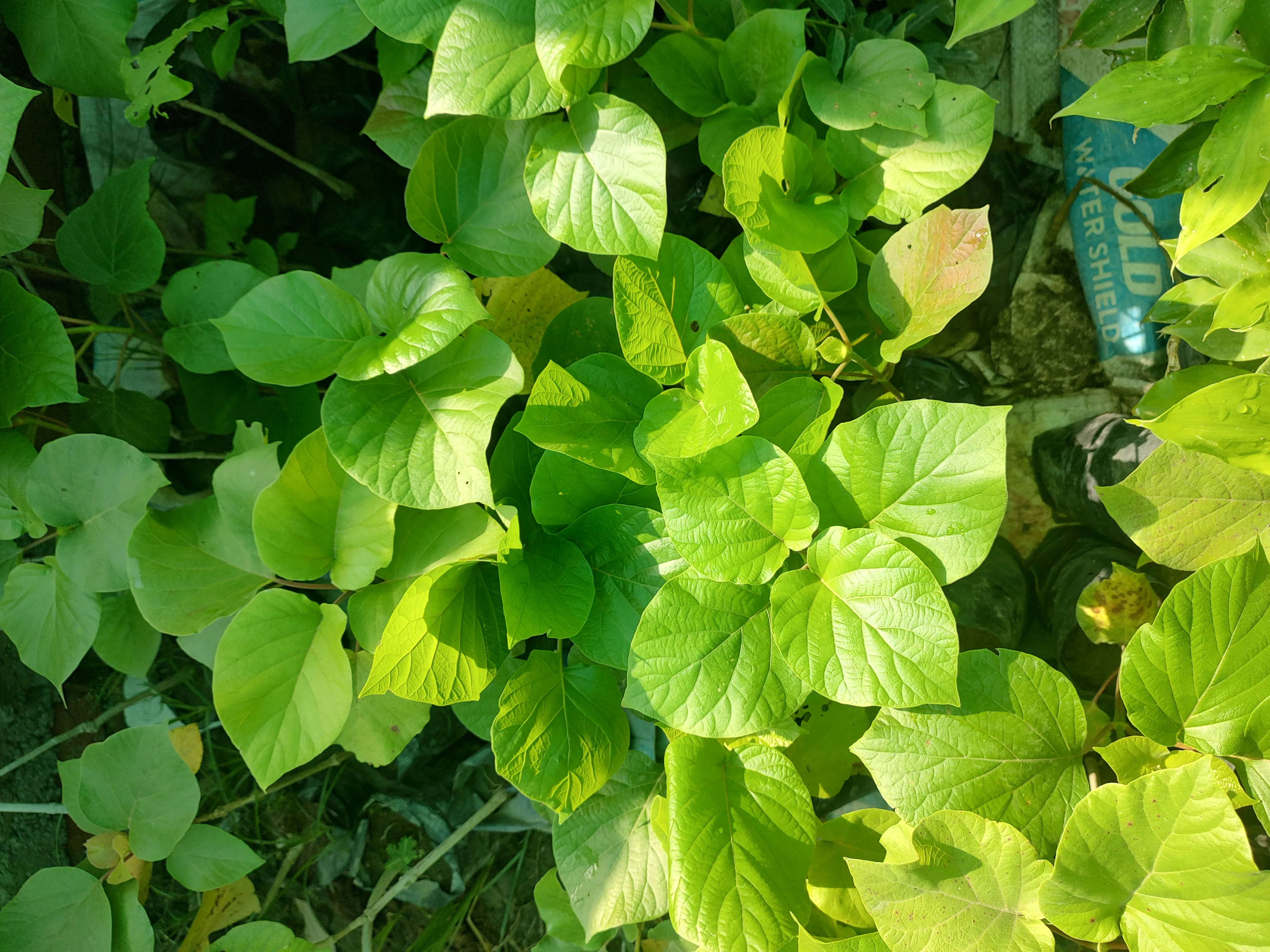
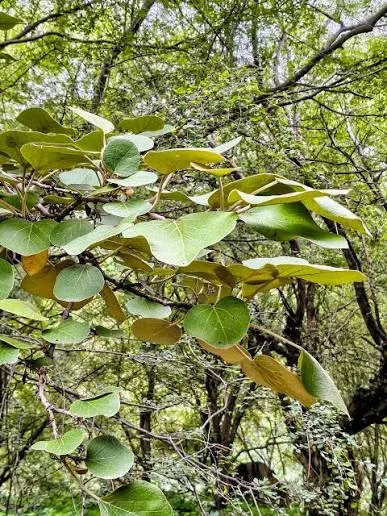
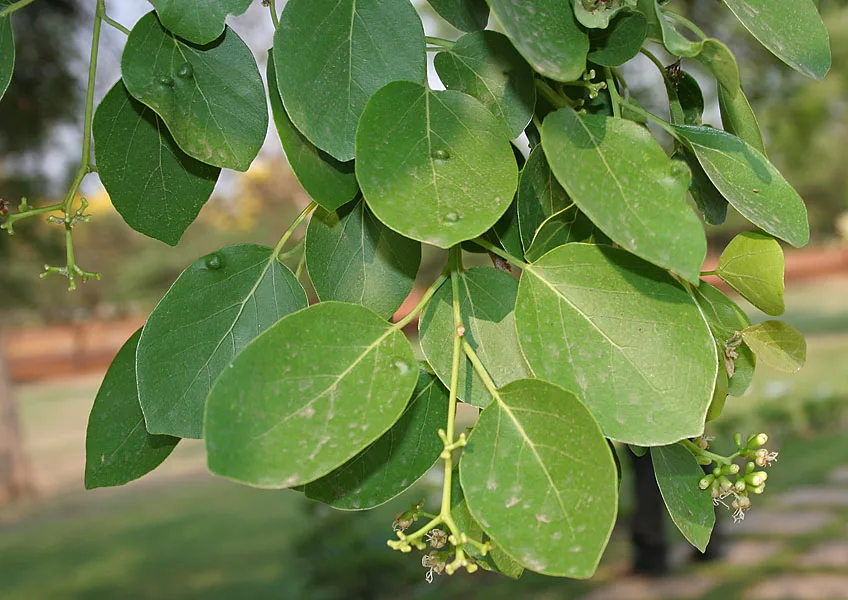
  • Foliage: Large, glossy, dark green leaves (15–30 cm long) arranged oppositely, elliptic-oblong with prominent yellowish veins.
  • Blossoms & Flowers: Highly fragrant, perfectly spherical (globular) flower heads measuring 4–5 cm across, packed with tiny golden-orange tubular florets with white projecting stigmas.
  • Fruit & Seeds: Hard fleshy composite fruit heads containing numerous tiny angular seeds relished by birds and bats.

How to grow Kadamba Tree

  • Soil & Planting Site: Requires deep, fertile, moisture-retentive alluvial soil. Ideal for flood-prone boundaries, avenues, and farm borders.
  • Sunlight & Climate: Thrives under full sunlight in warm, tropical, and sub-tropical environments with heavy rainfall. Sensitive to prolonged frost.
  • Irrigation: Needs regular watering during early sapling establishment; develops deep moisture-seeking roots within 2 years.
  • Maintenance: Rapid early growth requires minimal fertilizer; pruning lower side shoots in initial years promotes clean, straight timber growth.

Horticultural, Timber & Ecological Uses

  • Timber & Paper Pulp: Produces lightweight, straight-grained creamy-white wood widely used for pulp, paper, plywood core, packaging boxes, light furniture, and ceiling boards.
  • Perfumery & Aromatics: Flowers are steam-distilled into traditional Indian 'Kadam Attar' over sandalwood oil bases.
  • Ecosystem Benefits: Acts as a primary host plant for butterflies (Commander butterfly), attracts pollinators, and enriches soil organic matter through heavy leaf fall.

Neolamarckia cadamba - Traditional Uses

  • Classical Ayurvedic Identity: Identified as *Kadamba* / *Haripriya*, possessing *Kashaya* (astringent) and *Tikta* (bitter) tastes with *Sheetal* (cooling) potency.
  • Wound & Skin Care: Fresh leaf and bark decoctions are utilized to wash chronic ulcers and infected wounds due to potent antibacterial and anti-inflammatory tannins.
  • Fever & Oral Health: Bark decoction is traditionally administered for malarial/viral fevers and used as a gargle to heal stomatitis, mouth ulcers, and gingivitis.
* Editorial Notice: Ethnobotanical and traditional Ayurvedic entries represent historical ethnographic documentation and should not be construed as clinical medical advice.

Frequently Asked Questions

What is the economic use of the Kadamba tree?
Kadamba is prized for fast-growing light timber, plywood and paper pulp manufacturing, agroforestry reforestation, and flower oil extraction for exotic attar perfumery.
How fast does a Kadam tree grow?
Neolamarckia cadamba is one of the fastest-growing tropical hardwood trees, often reaching 15–20 feet within the first 3 to 4 years under favorable tropical monsoon conditions.
Is Kadam flower edible or medicinal?
Yes, Kadamba flower heads and fruits are edible and possess cooling, digestive, and antipyretic properties widely cited in Ayurvedic formulations.
How is Kadamba related to the Haldu tree?
Both Kadamba (Neolamarckia cadamba) and Haldu (Haldina cordifolia) belong to the Rubiaceae family and share characteristic spherical globe flowers and medicinal bark profiles.
Taxonomic Relatives

Other Species from the Rubiaceae Family

Haldu Tree

Haldina cordifolia
Vernacular: हलदू (Haldu), करम (Karam), Haridru (हरिद्रु), Dharakadamba

Comprehensive botanical profile of Haldu Tree (Haldina cordifolia). Explore identification characteristics, timber ...