Introduction to Krishna Vat Plant
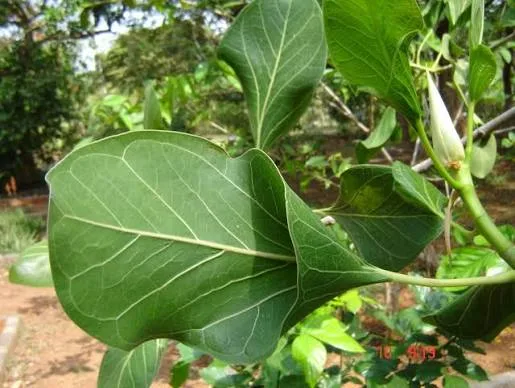
Krishna Vat (Ficus krishnae) is a distinctive fig tree known for the unusual cup- or pouch-shaped structure formed at the base of many of its leaves. It belongs to the Moraceae family and is native to India. The plant is also widely known by names such as Makhan Katori, Krishna's Butter Cup, Krishna Fig, Krishna's Cup, and Krishna Badh.
The unusual leaf structure is the feature that makes Krishna Vat immediately recognizable. The cup can vary considerably in size and shape between individual leaves, and the species has attracted botanical as well as cultural interest because of this distinctive morphology.
Krishna Vat is a perennial tree adapted to warm tropical and subtropical conditions. It can be grown as an ornamental specimen where sufficient space is available, although young plants can also be maintained in containers for a period of time. Because it eventually develops into a substantial tree, long-term cultivation is better suited to open ground or large landscape spaces.
What Is Krishna Vat?
Krishna Vat is a member of the Ficus genus and the Moraceae, or fig, family. The currently accepted botanical name is Ficus krishnae C.DC. The name Ficus benghalensis var. krishnae has also been used in botanical literature and remains an important synonym.
The taxonomic relationship between Krishna Vat and the Banyan (Ficus benghalensis) has been discussed by botanists. A detailed taxonomic study published in Phytotaxa examined differences in leaf structure, aerial roots, stipules, petioles, reproductive structures, anatomy, and cytological characteristics and reinstated Ficus krishnae as a distinct species. Botanical databases can therefore show both names depending on the classification system being followed.
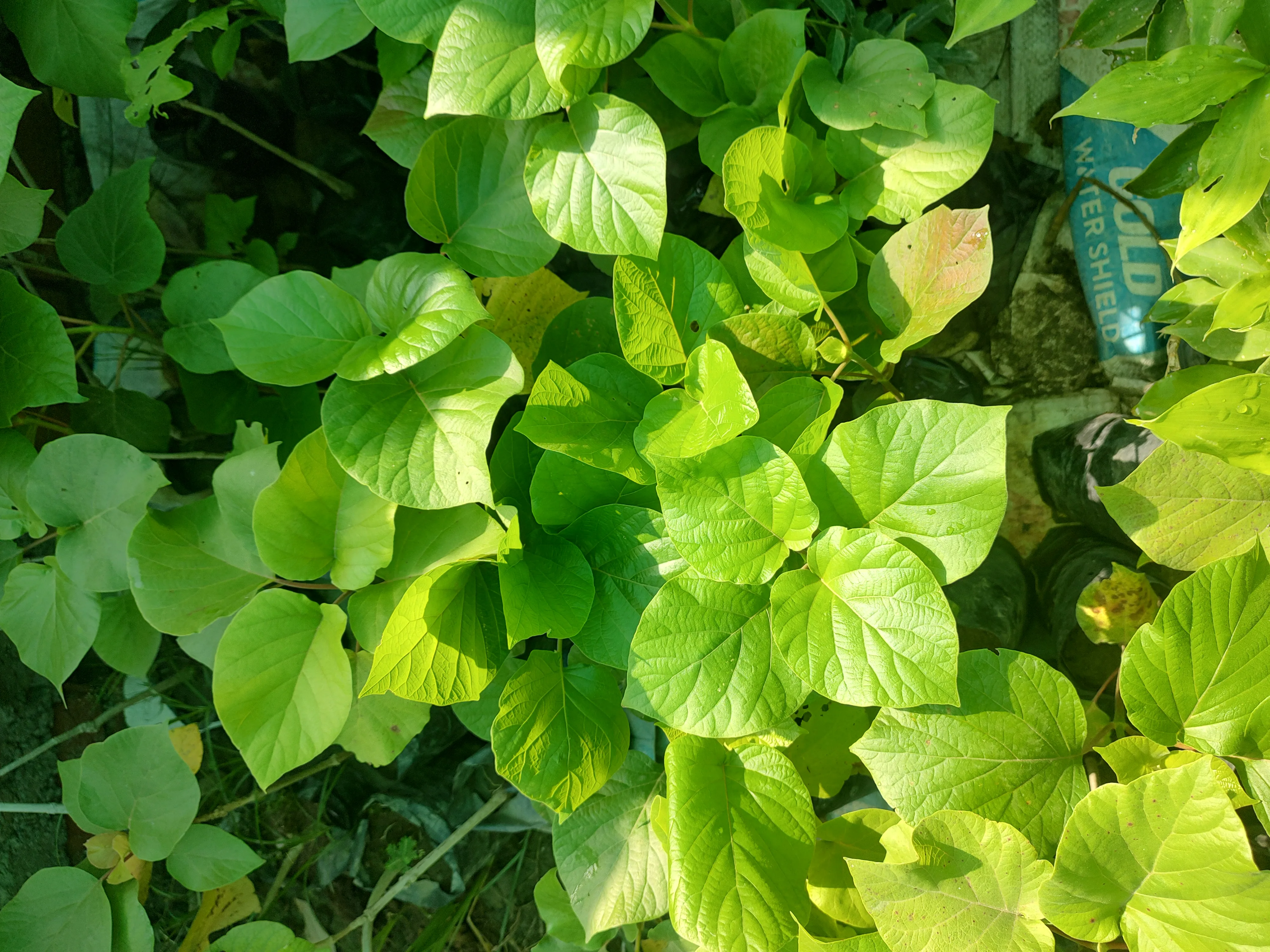
कदंब का पेड़How to Identify Krishna Vat Plant
The cup-shaped leaf base is the most recognizable feature of Krishna Vat, but reliable identification should consider the entire plant rather than relying on one characteristic alone.
- Leaves: Leaves are elliptic-ovate to broadly ovate and can become relatively large. The lower portion of the leaf develops a distinctive cup- or pouch-like fold. The size and shape of this cup can vary considerably between leaves.
- Leaf Surface: Mature leaves are generally firm and glossy on the upper surface, while younger leaves can have a softer or slightly hairy appearance.
- Leaf Base: The characteristic basal cup or pocket is the feature most strongly associated with Krishna Vat and is responsible for common names such as Makhan Katori and Krishna's Cup.
- Stem and Bark: The plant develops a woody trunk with greyish bark. Like other members of the Ficus genus, it produces a milky latex when plant tissues are damaged.
- Aerial Roots: Mature trees can produce aerial roots, although their number and development can vary. The aerial-root habit is generally less extensive than that seen in a typical large Banyan.
- Flowers and Figs: The actual flowers are enclosed inside the characteristic fig-like receptacle. The resulting figs develop in pairs or clusters and can become reddish when mature.
Why Does Krishna Vat Have Cup-Shaped Leaves?
The cup-shaped leaf base is the defining botanical feature of Krishna Vat. Scientific descriptions report that the basal part of the leaf forms a cup-like structure, with considerable variation in its size and shape.
The unusual leaf structure has also generated traditional stories in India. One popular cultural explanation connects the leaf cup with Lord Krishna and butter, which is reflected in the Hindi name Makhan Katori, meaning a small butter bowl. This is a traditional cultural story rather than a botanical explanation for the leaf morphology.
Botanical research has examined the cup formation together with other morphological and anatomical characteristics when distinguishing Ficus krishnae from closely related Ficus taxa.
Ideal Growing Conditions for Krishna Vat
Krishna Vat is adapted to warm tropical and subtropical environments. It performs best where it receives strong natural light, warm temperatures, and sufficient moisture without prolonged waterlogging.
- Soil: Use fertile, well-draining soil containing organic matter. A loamy or sandy-loam growing medium is suitable for container cultivation. Avoid permanently waterlogged soil.
- Sunlight: Full sun is suitable for established plants. Young plants can be gradually acclimatized to stronger sunlight if they were raised under nursery shade.
- Climate: Krishna Vat is suited to tropical, subtropical, and monsoonal climates. Warm conditions support active growth.
- Water: Provide regular moisture during establishment, but allow excess water to drain away. Established plants are more tolerant of short dry periods than newly planted specimens.
- Space: Select a location that provides sufficient room for trunk, canopy, and root development. Avoid planting a mature tree directly against buildings or narrow structures.
How to Plant Krishna Vat
Krishna Vat can be planted in the ground or maintained in a container while young. Choose a healthy nursery plant with an intact root ball and no obvious signs of disease or severe root damage.
- Select a sunny location with adequate long-term space for tree growth.
- Prepare a planting hole wider than the plant's root ball so the surrounding soil is loose and easy for new roots to penetrate.
- Improve poor native soil with well-decomposed organic matter while maintaining good drainage.
- Place the plant at approximately the same depth at which it was growing in its nursery container.
- Backfill gently and remove large air pockets without heavily compacting the soil.
- Water thoroughly after planting.
- Apply organic mulch around the root zone, leaving a small gap around the trunk.
How to Grow Krishna Vat in a Pot
A young Krishna Vat can be grown in a container and this can be useful for nurseries, balconies, terraces, courtyards, and plant collections. However, the plant is naturally a tree and should not be expected to remain permanently small without regular management.
- Container Size: Start with a container appropriate for the current root ball and move the plant into a larger container as the root system develops.
- Drainage: The container must have adequate drainage holes. Do not allow water to remain permanently in a tray beneath the pot.
- Potting Mix: Use a loose mixture containing fertile soil, organic matter, and a drainage component such as coarse sand or another suitable material.
- Sunlight: Place the plant where it receives strong natural light. Gradually acclimatize nursery-grown plants before exposing them to intense full sun.
- Watering: Water thoroughly when the upper layer of the potting mix begins to dry, then allow excess water to drain completely.
- Repotting: Repot when roots become severely crowded or the plant has outgrown its container. Avoid moving directly from a small pot to an excessively large container.
- Pruning: Periodic pruning can help maintain a compact form while the plant is being grown as a container specimen.
Krishna Vat Propagation
Like other Ficus species, Krishna Vat can be propagated through seed and vegetative methods. The most appropriate method depends on the availability of viable reproductive material, nursery facilities, and the desired characteristics of the new plant.
Growing Krishna Vat from Seed
Ficus seeds are extremely small and are contained within the fig-like fruiting structure. Seed propagation requires careful handling and suitable nursery conditions. Use a clean, fine-textured growing medium and maintain consistent moisture without waterlogging.
Vegetative Propagation
Vegetative propagation methods can be used by experienced growers and nurseries, particularly when maintaining desirable characteristics of a parent plant. Cutting or air-layering techniques require appropriate material, humidity, temperature, and aftercare. Success can vary depending on the maturity of the cutting and environmental conditions.
When propagating a distinctive Krishna Vat specimen, it is useful to maintain records of the parent plant and propagation method so that the identity of the plant remains clear as it moves through nursery production.
Krishna Vat Watering and Fertilization
Young Krishna Vat plants benefit from consistent but controlled watering. During active growth, water when the upper portion of the soil begins to dry rather than keeping the root zone continuously saturated.
Established plants can tolerate somewhat drier periods, but prolonged drought can reduce growth and cause leaf stress. Container-grown plants generally require closer monitoring because pots dry out more quickly than open ground.
For nutrition, apply well-decomposed compost or a balanced fertilizer appropriate for woody ornamental plants during active growth. Avoid excessive fertilizer application, especially in containers, because high salt concentrations can damage roots.
Pruning and Long-Term Care
Krishna Vat does not require aggressive pruning when it has adequate space to develop naturally. Pruning is mainly useful for shaping young container plants, removing damaged branches, maintaining clearance, and controlling unwanted growth.
- Remove dead or damaged branches when necessary.
- Remove branches that rub against each other or create poor structure.
- Use clean pruning tools for significant cuts.
- Avoid removing large amounts of healthy foliage at one time.
- Provide adequate space as the tree increases in size.
How Big Does Krishna Vat Become?
Krishna Vat is a medium-sized tree, although reported mature size varies with growing conditions and botanical descriptions. Some references describe trees reaching approximately 10–15 meters, while horticultural references report specimens approaching 30 meters under suitable conditions.
Growth is influenced by climate, soil depth, water availability, planting space, and cultivation history. Container-grown specimens will generally remain much smaller than trees planted in open ground, particularly when regularly pruned.
Krishna Vat vs Banyan Tree
Krishna Vat and Banyan are closely related and have historically been treated differently by different taxonomic systems. Krishna Vat is currently accepted by Kew as Ficus krishnae, while Ficus benghalensis var. krishnae is listed as a synonym. The two have therefore sometimes appeared under different classifications in botanical and horticultural literature.
- Krishna Vat: Known particularly for its distinctive cup-shaped leaf bases.
- Banyan: Ficus benghalensis is famous for its numerous strong aerial roots that can reach the ground and develop into additional supporting trunks.
- Leaf Structure: The unusual basal cup is the most immediately recognizable feature associated with Krishna Vat.
- Growth Form: Both are woody Ficus trees, but their morphology and typical development can differ.
Religious and Cultural Significance of Krishna Vat
Krishna Vat has a strong cultural association in India. The unusual leaf cup has been connected with stories about Lord Krishna, particularly the traditional association with holding butter. This is reflected in the common name Makhan Katori.
The plant has also been described as a sacred or culturally significant Indian plant in botanical and ethnobotanical references. These cultural associations are part of traditional belief and should be presented separately from the botanical characteristics of the species.
Traditional Uses and Ethnobotanical Information
Traditional references from India describe several uses of different parts of Krishna Vat, including leaves, bark, latex, fruits, and aerial roots. These include ornamental, cultural, and regional traditional applications.
Historical ethnobotanical sources have described preparations involving the leaves, bark, latex, and other plant parts for traditional purposes. Such descriptions represent traditional knowledge and should not be interpreted as established medical treatments or as evidence that the plant can cure a particular disease.
Krishna Vat also produces edible fig-like fruits, and its aerial roots have historically been used for temporary binding material in some traditional contexts.
Ecological and Ornamental Value
Krishna Vat is primarily valuable as an ornamental and culturally significant tree. Its unusual leaves make it particularly suitable for botanical collections, educational gardens, heritage landscapes, and plant enthusiasts interested in unusual Ficus species.
Like other Ficus trees, its fruiting structures can provide food resources for animals that consume figs. Seeds may subsequently be dispersed through the feeding activity of birds and other animals.
Common Krishna Vat Plant Problems
- Yellowing Leaves: Yellow leaves can result from excessive watering, poor drainage, nutrient stress, transplant shock, or natural aging. Check the root zone and growing conditions before adding fertilizer.
- Leaf Drop: Sudden changes in light, temperature, watering, or transplantation can cause temporary leaf drop. Newly moved plants may require time to acclimatize.
- Slow Growth: Insufficient light, restricted roots, poor soil, low temperatures, or inadequate moisture can reduce growth.
- Root Problems: Continuously saturated soil can reduce root health. Containers should always have adequate drainage.
- Sun Scorch: Plants raised under shade can develop leaf damage if suddenly exposed to intense direct sunlight. Gradual acclimatization is preferable.
- Pests: Container-grown Ficus plants can occasionally experience common sap-feeding or chewing pests. Inspect leaves and young shoots regularly and address infestations according to their severity.
Where Can Krishna Vat Be Grown?
Krishna Vat is best suited to warm tropical and subtropical climates. In India, it can be cultivated as an ornamental or culturally significant tree where local climate and available space are appropriate. It is also grown in botanical and educational collections outside its native range.
Because this is a tree rather than a small permanent houseplant, the planting location should be selected with its mature size in mind. Large containers can support young plants, but open-ground cultivation provides substantially more room for long-term development.
Is Krishna Vat a Good Plant for a Home Garden?
Krishna Vat can be an excellent choice for a large garden, botanical collection, heritage landscape, or plant enthusiast who wants a distinctive Ficus species. Its unusual leaves give it a visual feature that ordinary Banyan trees do not have.
For a small balcony or compact courtyard, a young Krishna Vat can be maintained temporarily in a container, but its long-term size should be considered before planting. Regular pruning can control a container specimen, but it does not change the tree's natural growth habit.
Frequently Asked Questions About Krishna Vat
Krishna Vat is best understood as both a botanical curiosity and a culturally important Indian tree. Its cup-shaped leaves, Ficus characteristics, and traditional associations make it a distinctive subject for plant collectors, gardeners, and students of Indian ethnobotany.