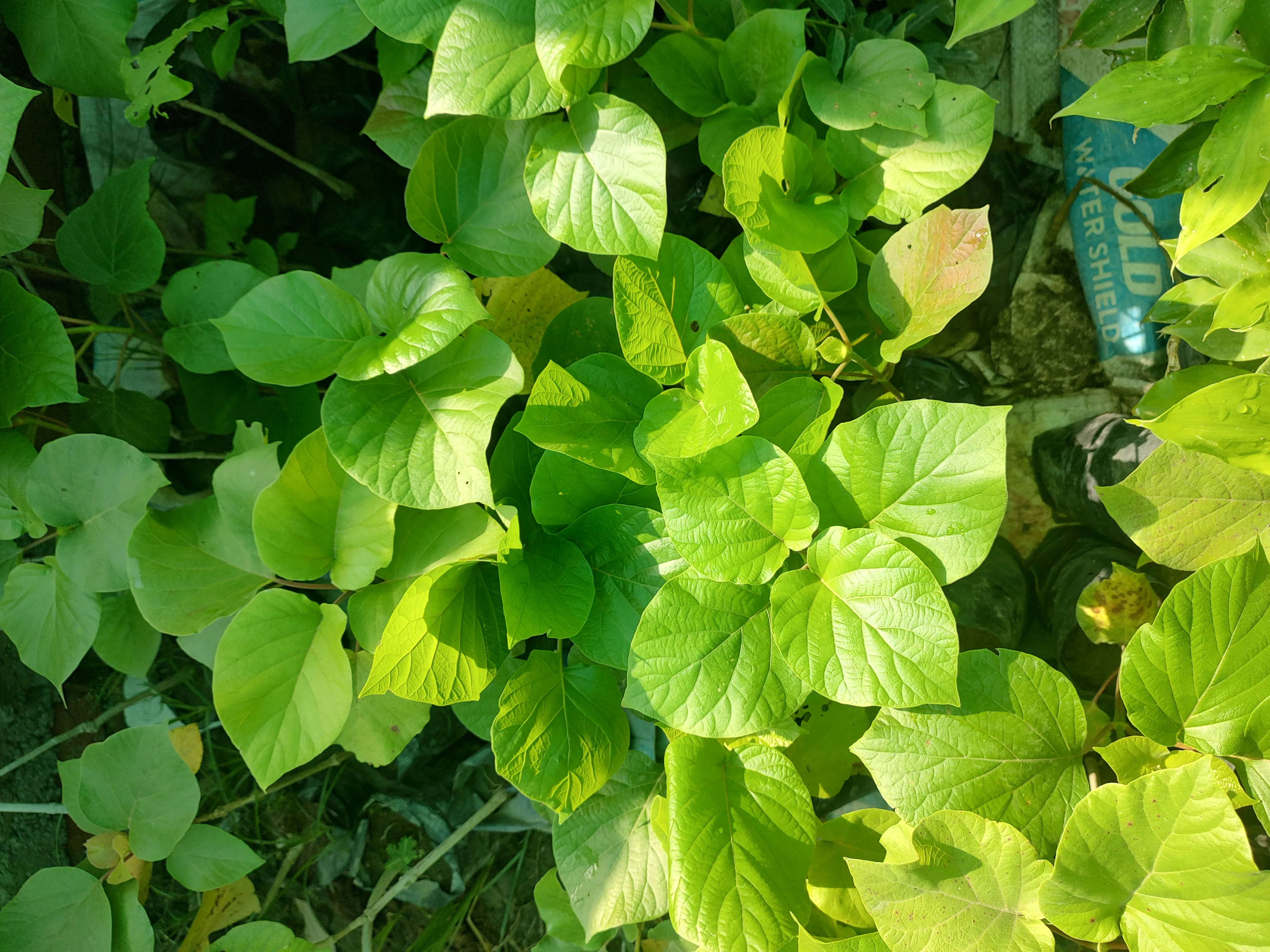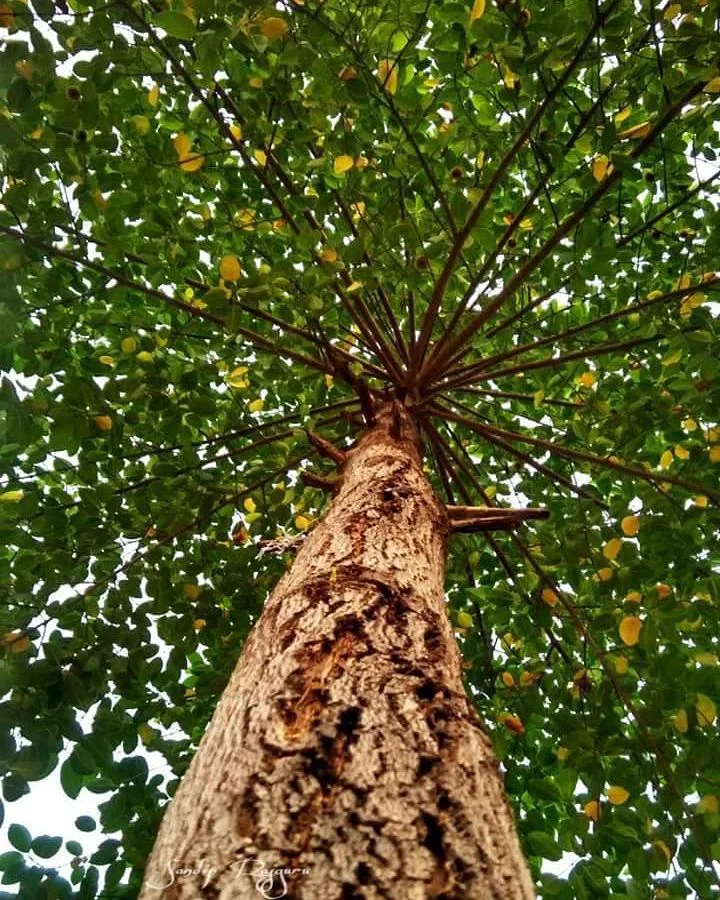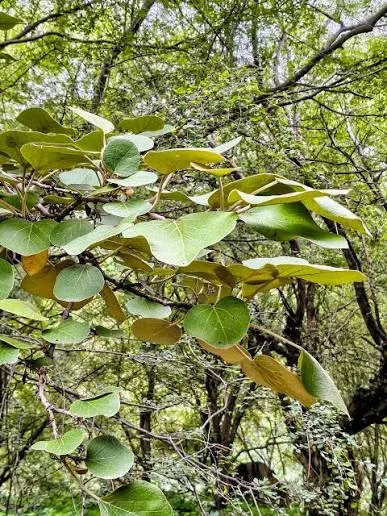
Small to medium-sized deciduous tree

Dahiman Plant (Sitapatra / सीतापत्ता)

Cordia macleodii Hook. f. & Thomson
Also Known as: Dahiman, Dahipalas, Sitapatra, Dahiwan, Shikari, सीतापत्ता
Dahiman(Cordia macleodii) is a small-to-medium wild tree native to central and western India, growing roughly 25 to 40 feet tall. It is easy to recognize by its pale, whitish-grey bark that feels thick and corky, as well as its young branches, which are covered in a soft, woolly fuzz. The tree has broad, rounded green leaves that are slightly rough and wrinkled on top, but velvety-soft underneath. It blooms in the spring between March and May, producing clusters of small, fragrant white flowers. By early summer, these turn into small, yellowish-green fruits that sit in a tiny cup, much like an acorn. Dahiman grows mainly on dry, rocky hills and forest slopes, and it is well known in rural India for both its tough wood and traditional healing uses.
Botanical Family Boraginaceae
Native Region Madhya Pradesh, Chhattisgarh, Odisha, Jharkhand, Maharashtra, Gujarat, and Rajasthan.
Growth Habit Small to medium-sized deciduous tree
Mature Height 8-12 meters
Sunlight Full Sun
Water Needs Moderate
Soil Dynamics Well-draining loam
Propagation Seeds
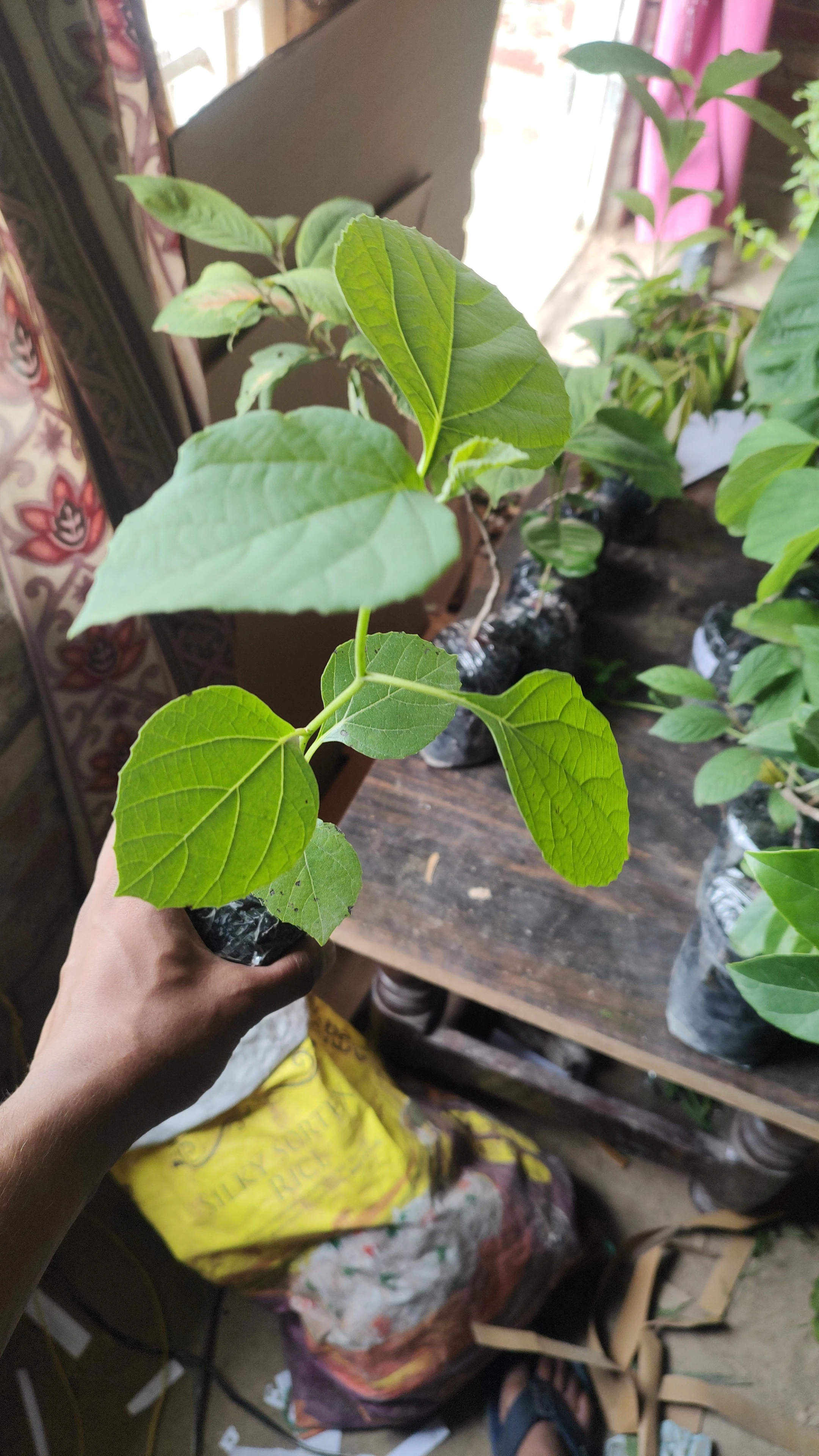
Dahiman Plant (Cordia macleodii Hook. f. & Thomson)
Image: Dahiman Plant  • Family: Boraginaceae
Available for Order

Order Dahiman Plant

Plant Price
Rs.800

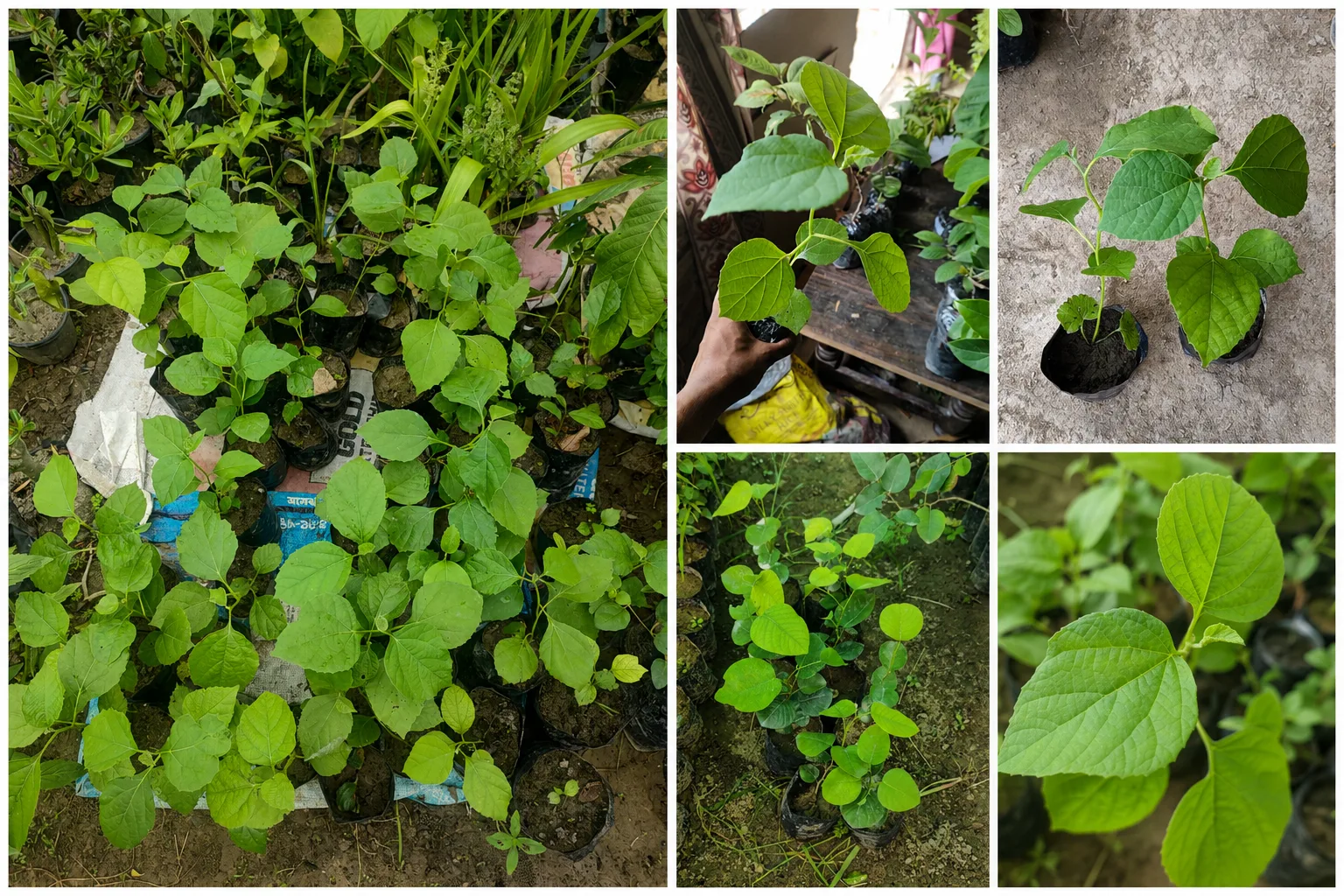
Get a premium, nursery-grown Dahiman Plant (Cordia macleodii Hook. f. & Thomson) plant delivered straight to your doorstep. Tap below to connect with us on WhatsApp to request real plant pictures, pot sizes, and shipping options.

Dahiman Plant - Identification & Botanical Features

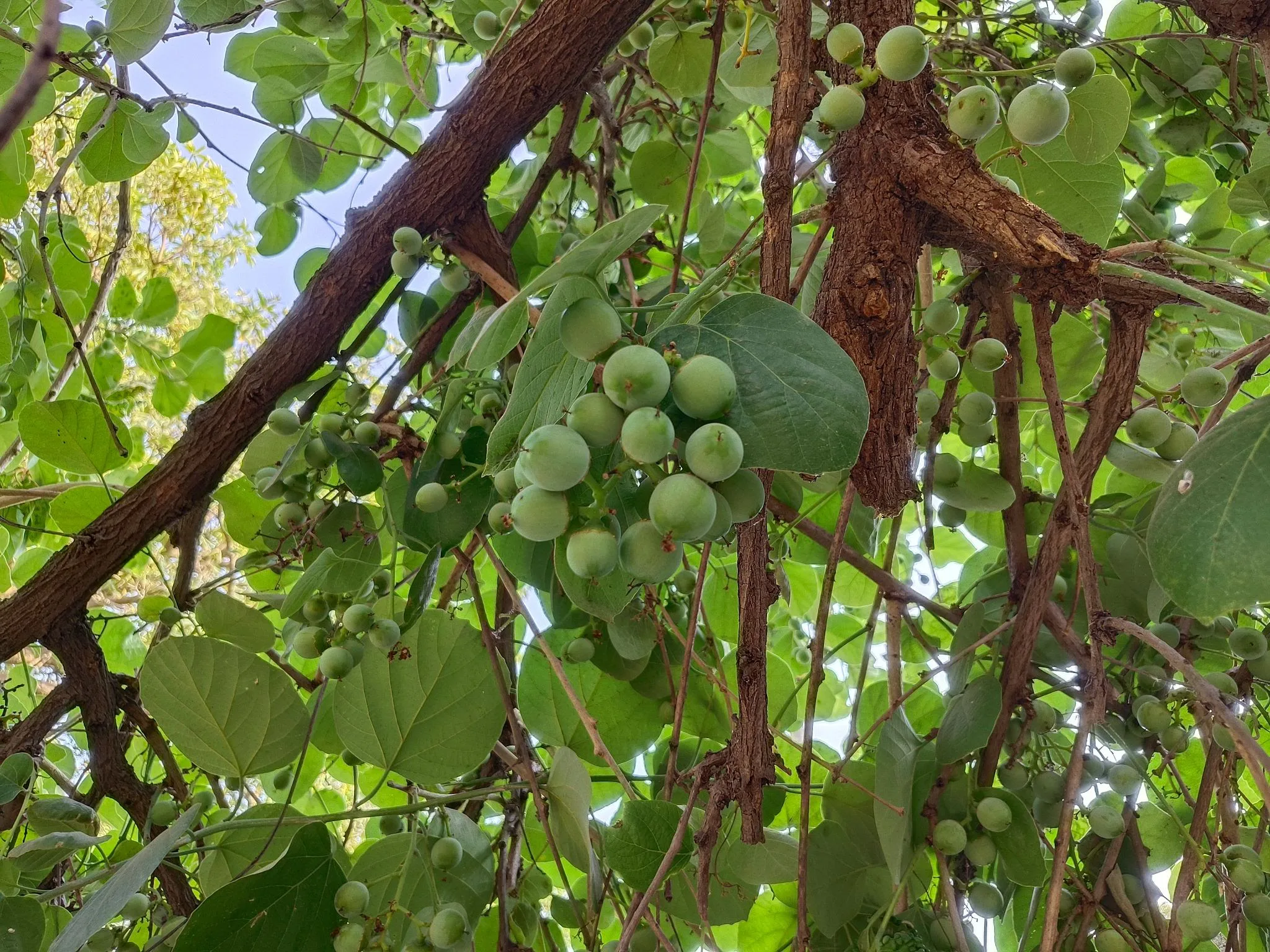
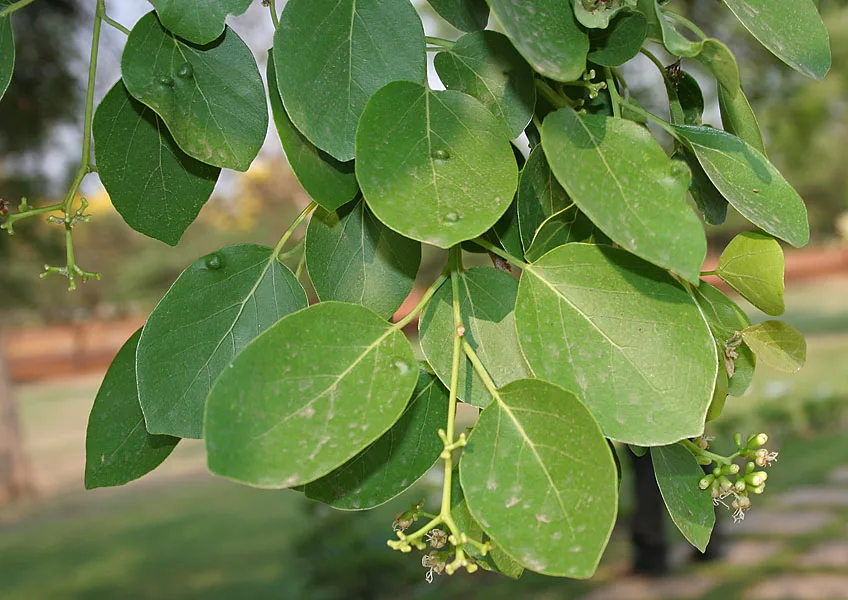
To identify the Dahiman tree (Cordia macleodii) in the wild, botanists and field researchers rely on a unique combination of its bark texture, leaf characteristics, floral parts, and fruit structures. The first key markers are the bark and young growth. Dahiman is a medium-sized tree easily recognized by its distinctive pale, whitish-grey bark that is noticeably thick, soft, and corky with shallow vertical cracks. Its young twigs, shoots, leaf stalks, and flower buds are heavily covered in a thick, woolly layer of white or tawny fuzz (tomentum), setting it apart from other smooth-stemmed trees in the forest. The leaves provide the most conclusive field identification. They are broad and rounded to heart-shaped, with a rough, wrinkled, sandpapery upper surface and an intensely soft, velvety underside supported by three to five prominent raised veins. In traditional folklore and field botany, it is famous for the "Sitapatra" test: if you write or scratch on the upper surface of a fresh leaf with a blunt stick or fingernail, the damaged plant tissue oxidizes within minutes to create a permanent, dark, readable inscription. The flowers and fruits confirm identification during spring and summer. From March to May, the tree produces dense clusters of small, fragrant, creamy-white flowers. Each flower has a heavily grooved, hairy green base (calyx) and a twice-forked style tipped with four distinct stigma lobes. By early monsoon (May to July), these develop into pointed, yellowish-green oval fruits (drupes) that sit securely inside an enlarged, wooden, cup-shaped base, resembling a tiny acorn.
In the forest, Dahiman is most commonly mistaken for its close relative, LASODA. However, telling them apart is straightforward: Lasora has smooth, thin, glossy leaves and sticky, fleshy fruits, whereas Dahiman has thick, wrinkled leaves with a dense woolly underside and heavily ribbed flower cups.

How to grow Dahiman Plant

Cordia macleodii is a hardy, drought-tolerant deciduous tree naturally adapted to dry tropical biomes. However, because wild seeds have hard seed coats and natural regeneration is slow, deliberate nursery cultivation requires specific propagation and soil protocols.

Soil Requirements & Preparation

  • Soil Type & Texture: Thrives best in well-draining, porous soils—such as sandy loam, gravely loam, or red rocky soils with neutral to slightly alkaline pH (6.5–7.8). It is intolerant of dense, waterlogged clay.
  • Nursery Potting Mix: For nursery germination and container sapling establishment, research indicates an optimal mix of Sand : Garden Soil : Vermicompost (1:1:2). This balance provides adequate root aeration while retaining organic nutrients essential for early shoot vigor.
  • Propagation & SowingSeed Collection: Gather mature, yellowish-green drupes between May and July. De-pulp the seeds by rubbing them with sand and washing thoroughly in water.
  • Pre-treatment (Scarification): Due to the hard, woody endocarp, untreated seeds show poor germination rates (10–20%). Rubbing the stem end lightly with fine sandpaper, followed by soaking in water or a mild gibberellic acid solution for 2–4 hours, increases germination significantly (up to ~60%).
  • Sowing Depth: Sow treated seeds in polybags at a depth of 1.5 to 2 cm. Germination typically initiates within 10 to 20 days.
  • Vegetative Propagation: Semi-hardwood cuttings treated with IBA (rooting hormone) and stem budding during the pre-monsoon period can also be utilized for clonal multiplication.

Routine Care & Maintenance

  • Sunlight: Requires full, direct sunlight (6+ hours daily). Saplings tolerate light partial shade but establish stronger taproots and canopies in open sun.
  • Irrigation: Nursery / Young Stage: Water moderately to keep the potting media consistently moist, avoiding saturation.
  • Established Trees: Highly drought-resistant once the taproot establishes (after 1–2 growing seasons). Requires minimal supplementary irrigation, mainly during peak dry summer months.
  • Nutrient Management: Top-dress young saplings annually with organic compost or decomposed manure at the onset of the monsoon season. Chemical fertilizers are rarely necessary.
  • Pruning & Training:During the first two years, prune lower lateral shoots to establish a clear main trunk. In mature trees, remove dead, crossing, or damaged branches after the winter leaf-drop phase (January–February).

Looking for seeds or saplings?  Fresh, viable Dahiman seeds and nursery-hardened saplings are seasonally available directly through Kushwaha Plants

Cordia macleodii Hook. f. & Thomson - Traditional Uses

The Dahiman tree (Cordia macleodii) is deeply tied to Indian village folklore and forest medicine, especially among tribal communities like the Gond, Baiga, and Santhal in central India.

Everyday Folk Remedies

  1. Stopping Bleeding & Healing Cuts: Forest hunters and villagers crush fresh Dahiman leaves into a paste and apply it directly to open wounds. It stops bleeding fast, prevents infection, and speeds up skin healing for both humans and cattle.
  2. Jaundice & Liver Issues: A simple boiled tea (decoction) made from the pale tree bark is a well-known forest remedy for jaundice and stubborn fevers.
  3. Blood Pressure: Chewing a small strip of fresh inner bark is traditionally used by village elders to calm high blood pressure and heart palpitations.
  4. Mouth Ulcers: Chewing the tender young leaves or rinsing with leaf-infused water helps soothe painful mouth sores.
  5. Women's Health: Bark powder mixed into a glass of warm milk with unrefined sugar candy (mishri) is taken as a tonic for weakness and menstrual health.

Sacred Beliefs & Woodcraft

Tribal communities consider the Dahiman tree sacred, leading to unique customs and uses for its tough wood:
  • The Snake-Repelling Wood: Walking sticks and traditional cot legs (charpai) are carved from Dahiman branches because villagers believe the scent of the wood naturally keeps venomous snakes and scorpions away.
  • Working Tool Handles: Axe and hoe handles are made from Dahiman wood. Woodcutters believe the wood softens friction, protecting their hands from developing painful blisters during hard labor.
  • The Curd Churner (Mathani): In central Indian villages, handheld curd churners are carved from Dahiman wood. Folklore says churning with this wood produces richer butter and gives buttermilk digestive cooling properties.
  • Strict Taboos: Because the tree is treated with high respect, stepping on the fallen wood with bare feet or using the timber for house doors and plows is strictly avoided.

The Legend of "Sitapatra" (The Writing Leaf)

Dahiman is famously called Sitapatra (Sita's Leaf). Legend says Goddess Sita wrote messages on these leaves during her exile in the forest. Even today, if you scratch words onto a fresh green leaf using a fingernail or twig, the scratch turns dark black within minutes, creating clear, long-lasting writing without any ink.
* Editorial Notice: Ethnobotanical and traditional Ayurvedic entries represent historical ethnographic documentation and should not be construed as clinical medical advice.

Frequently Asked Questions

Why is Dahiman called the "Magic Writing Leaf" or Sitapatra?
Dahiman is famously known as Sitapatra because you can scratch or write on its fresh green leaves using a blunt stick or fingernail. Within minutes, the plant tissues naturally oxidize and turn dark black, creating clear, permanent writing without using any ink.
How do you identify a Dahiman tree in the wild?
You can identify Dahiman by its soft, pale whitish-grey corky bark and young shoots covered in a woolly fuzz. Its leaves are heart-shaped or rounded with a rough, sandpapery upper side and an intensely soft, velvety underside. In late spring, it produces small, fragrant creamy-white flowers followed by acorn-like yellowish fruits.
What is the difference between Dahiman (Cordia macleodii) and Lasora (Cordia dichotoma)?
While both belong to the same plant family, Lasora has smooth, thin, glossy leaves and sticky, edible fruit pulp commonly used for pickles. Dahiman has thick, wrinkled leaves with a velvety, hairy underside and heavily ribbed flower cups.
What are the traditional medicinal uses of Dahiman bark and leaves?
In forest folklore and traditional tribal medicine, crushed fresh leaves are applied as a poultice to stop bleeding and heal cuts. A decoction made from the pale tree bark is traditionally used for jaundice, fevers, and blood pressure regulation.
Does Dahiman wood really repel snakes?
According to central Indian folklore and tribal beliefs, the scent and vibration of Dahiman wood naturally deter snakes and scorpions. For this reason, villagers traditionally use Dahiman wood to carve walking sticks and traditional cot legs (charpai).
Can Dahiman be grown in home gardens or pots?
Yes, young saplings can be grown in large containers with full sunlight and porous, well-draining soil. Once established, it is a hardy, drought-tolerant tree best suited for open ground, farm borders, or native medicinal gardens.
Knowledge Matrix

Botanical Articles Referencing Dahiman Plant

View all articles →
Taxonomic Relatives

Other Species from the Boraginaceae Family

Lasoda

Cordia dichotoma G. Forst.
Vernacular: Lasoda, Lasura Gunda Bhokar Indian Cherry, Glue Berry Shleshmataka

Discover Lasoda Plant (Cordia dichotoma / Gunda). Learn tree identification, fruit health benefits, pickle uses, se...