Learn about the traditional uses and potential benefits of Lasoda (Cordia dichotoma / Gunda), including its use in regional cuisine, traditional remedies, and Ayurvedic practices.
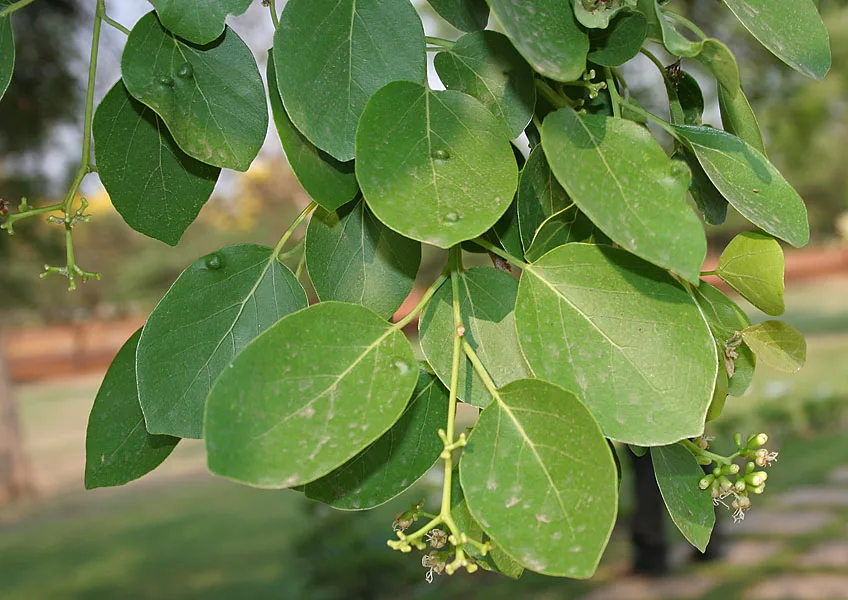
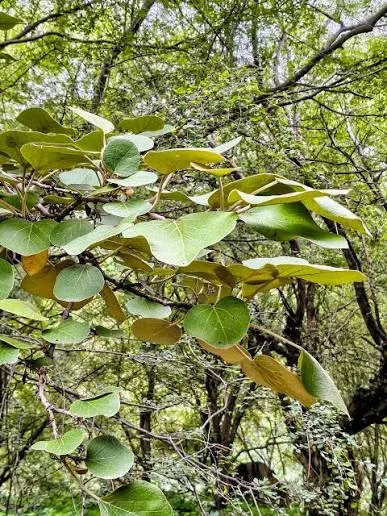
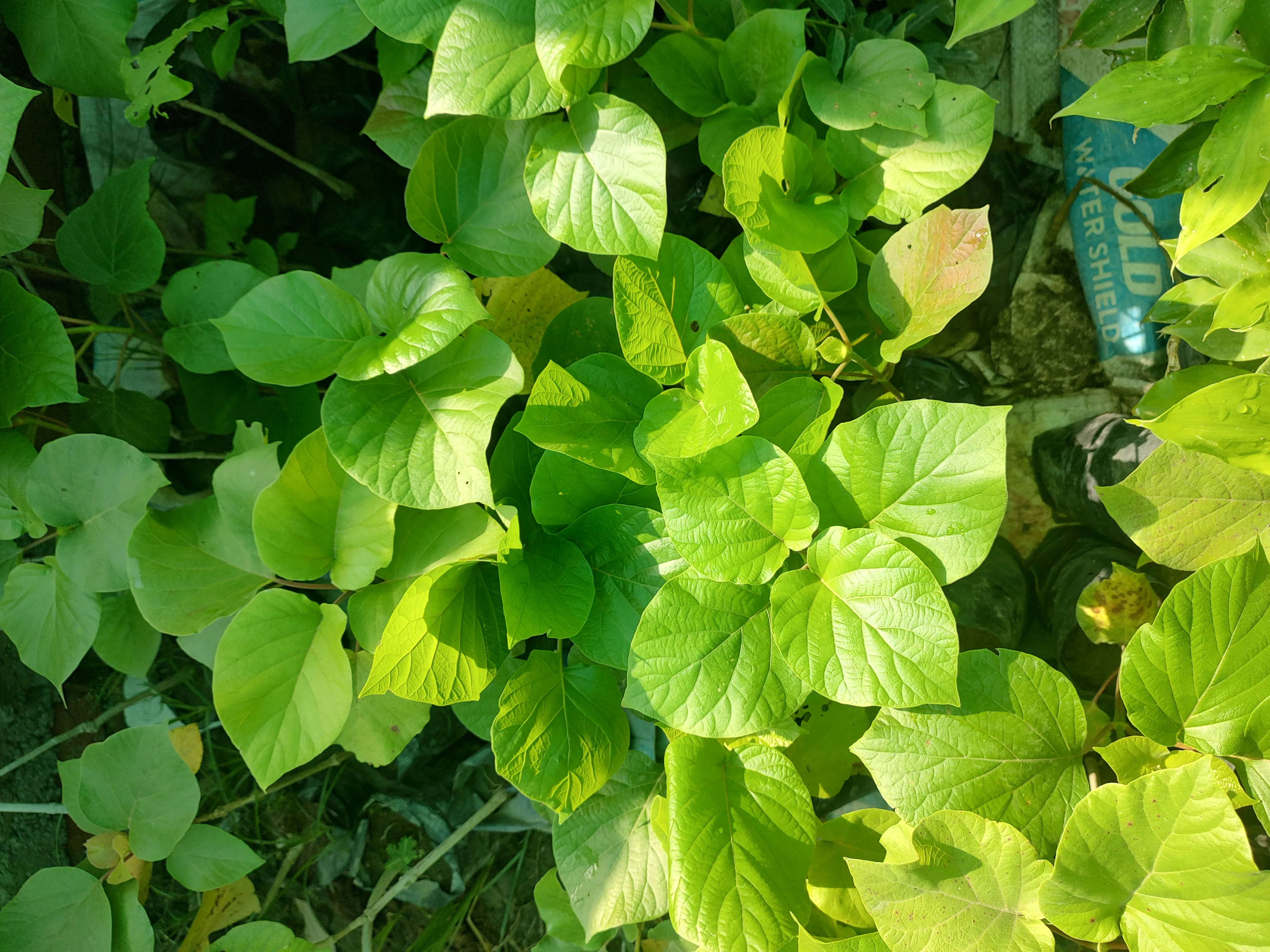
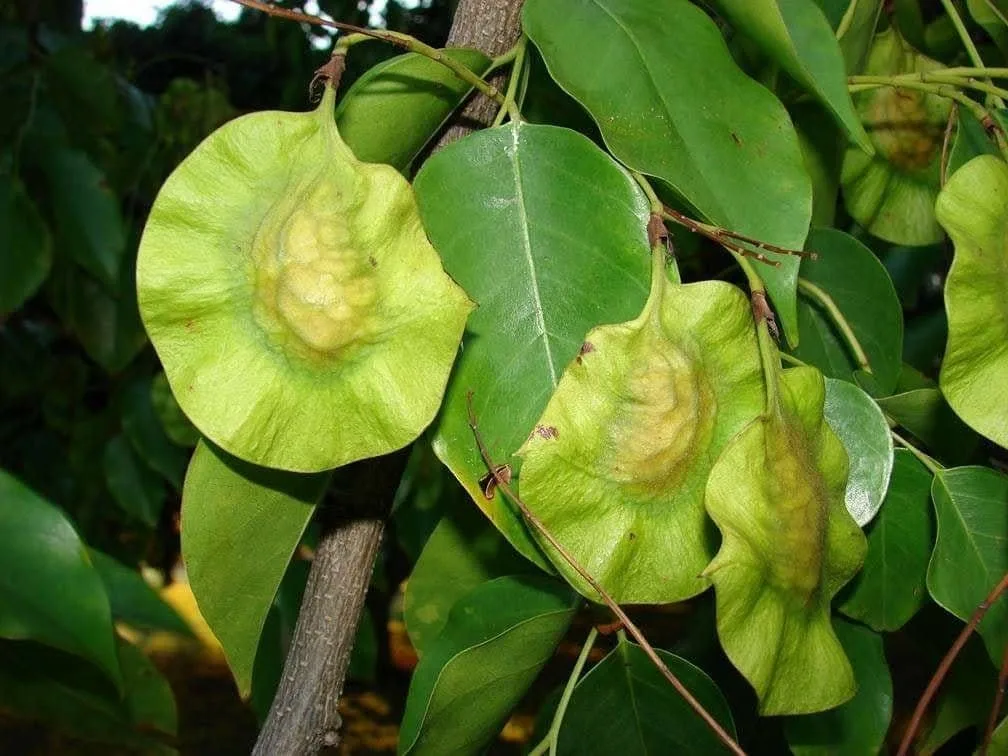
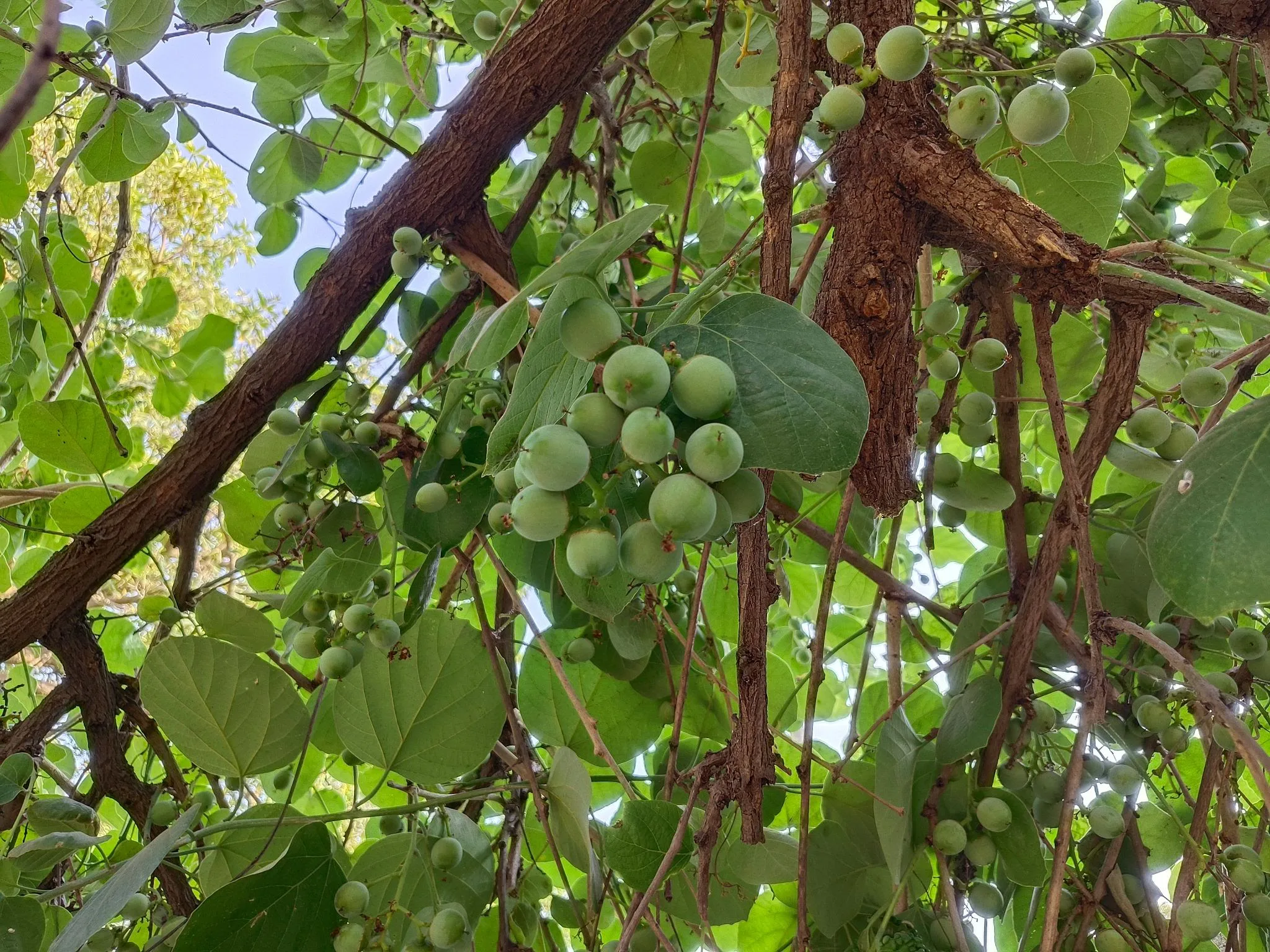
Lasoda (Cordia dichotoma), popularly known as Gunda, Lasura, Indian Cherry, or Glue Berry, is a seasonal fruit-bearing tree found across parts of India. It is especially well known in North and West Indian households for Lasode ka Achar (Gunda pickle), while the fruit and other parts of the plant have also been used traditionally in Ayurvedic and folk practices.
Lasoda fruit contains natural plant mucilage and various plant compounds and is traditionally valued for its food and ethnobotanical uses. This guide focuses on its nutritional profile, traditional uses, common preparations, and potential benefits while distinguishing traditional knowledge from established medical evidence.
Quick Plant & Nutritional Profile
| Botanical Detail | Specification |
|---|---|
| Botanical Name | Cordia dichotoma G. Forst. |
| Common Names | Lasoda, Lasura, Gunda, Indian Cherry, Glue Berry, Bhokar, Shleshmataka |
| Plant Family | Boraginaceae |
| Traditional Ayurvedic Taste (Rasa) | Sweet (Madhura), Astringent (Kashaya), Bitter (Tikta) |
| Notable Components | Natural mucilage and other plant compounds reported in Cordia dichotoma |
Read the complete Lasoda / Gundi Plant identification and care guide
Traditional Uses & Potential Benefits of Lasoda (Gunda) Fruit
Important: Many of the uses described below come from traditional Ayurvedic and folk practices. Traditional use should not be interpreted as proof that Lasoda can prevent, treat, or cure a medical condition. Scientific evidence for several of these applications remains limited or preliminary.
1. Traditional Use for Dry Cough & Sore Throat
Lasoda fruit contains a naturally gelatinous mucilage, which is one reason it has been traditionally used in preparations intended to soothe the throat.
- Traditionally included in preparations for dry cough and throat discomfort.
- The mucilaginous texture may provide a soothing coating sensation when consumed in suitable preparations.
- Traditional Ayurvedic practice associates some of these uses with Vataja Kasa.
These traditional applications should not be considered a substitute for medical evaluation, particularly for persistent cough, breathing difficulty, fever, or bronchitis.
2. Traditional Use in Joint & Musculoskeletal Preparations
In traditional Ayurvedic practice, Lasoda has been associated with preparations used for conditions involving dryness, stiffness, and aggravated Vata dosha.
- Ripe fruit and other plant parts have been used traditionally in regional and Ayurvedic preparations.
- Its unctuous (Snigdha) qualities are described within traditional Ayurvedic frameworks.
There is not enough evidence here to describe Lasoda as a clinically proven treatment for arthritis or joint pain.
3. Traditional Digestive Uses
Lasoda has a history of traditional use in digestive preparations. Its mucilaginous texture and traditional Ayurvedic properties are among the reasons it has been included in certain regional and folk preparations.
- Used traditionally in preparations associated with digestive comfort.
- Included in some traditional remedies for sensations of digestive irritation or internal heat.
- Lasoda is also consumed as a food, particularly in pickles and cooked preparations.
Claims that Lasoda can heal stomach ulcers, acid reflux, or other gastrointestinal diseases should not be made without appropriate clinical evidence.
4. Traditional Use for Bowel Regularity
The fruit's mucilaginous texture and dietary components have led to traditional uses related to digestion and bowel regularity.
- Consumed in some regional preparations as part of the traditional diet.
- The fruit's natural mucilage contributes to its characteristic soft and sticky texture.
Lasoda should not be presented as a proven laxative or treatment for chronic constipation.
5. Traditional & Ethnobotanical Uses of Lasoda
Different parts of Cordia dichotoma have been documented in traditional and folk practices. Bark, fruit, leaves, and other plant parts may be prepared differently depending on the region and tradition.
- Traditional preparations have included fruit, bark, and other plant parts.
- Its use varies across regional and traditional systems of knowledge.
Traditional use should be distinguished from clinically established treatment of liver disease or other medical conditions.
6. Traditional Oral-Care Uses
The astringent character traditionally associated with green Lasoda and parts of the plant has led to its use in some folk oral-care preparations.
- Traditional preparations have included mild rinses or decoctions.
- Such practices should not replace professional dental care for persistent gum bleeding, mouth ulcers, or other oral problems.
7. Traditional Topical Uses
Lasoda has also been used traditionally in certain topical preparations made from the fruit, bark, or other plant parts.
- Regional folk practices may use plant pastes or preparations for minor skin discomfort.
- Traditional topical applications vary considerably between communities.
Do not apply untested plant preparations to serious wounds, burns, infected skin, or persistent skin conditions. A small patch test is advisable before using any unfamiliar plant preparation on the skin.
8. Research Interest in Cordia dichotoma Phytochemicals
Researchers have investigated various phytochemicals present in Cordia dichotoma and related Cordia species. Some laboratory and preliminary studies have explored antioxidant, anti-inflammatory, antimicrobial, and other biological activities.
However, laboratory or preliminary findings do not establish that eating Lasoda fruit can regulate blood pressure, protect the heart, or treat cardiovascular disease in humans.
9. A Seasonal Food in Indian Cuisine
One of the most established uses of Lasoda is simply as a seasonal food. Fresh green fruits are commonly prepared in regional dishes, while Lasode ka Achar is a particularly well-known preparation in parts of North and West India.
- Young green fruits are used in pickles and cooked preparations.
- The characteristic mucilage gives the fruit its distinctive sticky texture.
- As a seasonal food, Lasoda can be enjoyed as part of a varied and balanced diet.
How to Use Lasoda at Home: 3 Traditional Preparations
Lasoda has traditionally been used in several culinary and household preparations. The examples below describe traditional preparation styles rather than medically proven treatments.
1. Traditional Lasoda Throat Preparation
- Ingredients: Dried Lasoda fruit, water, and optional traditional ingredients such as black pepper or honey.
- Method: Lasoda may be prepared as a mild decoction according to traditional household practice.
- Important: This is a traditional preparation and should not be relied upon to treat persistent cough, bronchitis, asthma, or other respiratory disease.
2. Traditional Gunda Pickle (Lasode ka Achar)
- Young green Lasoda fruits are commonly cleaned and prepared with spices such as mustard seed, fenugreek, turmeric, and other regional ingredients.
- They may then be preserved using mustard oil and a traditional pickling process.
- Lasoda pickle is primarily a traditional food preparation rather than a medicinal product.
3. Traditional Cooling Skin Preparation
- Some folk practices use crushed plant material in topical preparations for minor skin discomfort.
- Because the safety and effectiveness of such preparations can vary, avoid applying them to broken or infected skin.
- Stop use if irritation or an allergic reaction occurs.
Nutritional & Traditional Comparison: Lasoda vs. Common Wild Fruits
| Attribute | Lasoda / Gunda (Cordia dichotoma) | Amla (Phyllanthus emblica) | Harad (Terminalia chebula) |
|---|---|---|---|
| Primary Texture | Sticky and mucilaginous | Crisp and juicy | Dry and fibrous when dried |
| Common Traditional Preparations | Pickles, curries, cooked dishes and traditional preparations | Juice, murabba, dried preparations and powder | Dried powder and traditional formulations |
| Traditional Food Use | Seasonal vegetable/fruit preparation and pickle | Fresh fruit and preserved preparations | Primarily dried preparations |
| Ayurvedic Context | Described within traditional Ayurvedic frameworks | Traditionally used in Ayurvedic preparations | Traditionally used in Ayurvedic preparations |