🇮🇳 यह पौधा प्रोफ़ाइल और सम्पूर्ण जानकारी हिन्दी (Hindi) में भी उपलब्ध है।
🇮🇳 हिन्दी में पढ़ें ➔
Perennial Herbaceous / Rhizomatous Shrub

Insulin Plant / Fiery Costus / Spiral Flag (Kostam / Insulin Plant (इंसुलिन पौधा))

Chamaecostus cuspidatus (syn. Costus igneus)
Also Known as: Insulin Plant (इंसुलिन पौधा), Kostam, Jarul, Keukand
Chamaecostus cuspidatus, widely known as the Insulin Plant or Fiery Costus, is a perennial herbaceous plant belonging to the Costaceae family. Native to South and Central America, it has gained global recognition and widespread cultivation across India and Southeast Asia due to its traditional use in managing blood glucose levels. The plant is easily recognized by its spirally arranged dark green leaves and vibrant orange, funnel-shaped flowers.
Botanical Family Costaceae
Native Region Eastern Brazil, Central & South America (Naturalized across India & Southeast Asia)
Growth Habit Perennial Herbaceous / Rhizomatous Shrub
Mature Height 0.6 – 1.5 meters (2 – 5 ft)
Sunlight Partial Sun to Bright Indirect Light
Water Needs Moderate to High; prefers consistently moist soil without waterlogging
Soil Dynamics Rich, well-draining loamy soil with organic matter; pH 5.5 – 7.0
Propagation Stem cuttings, rhizome division, or offsets
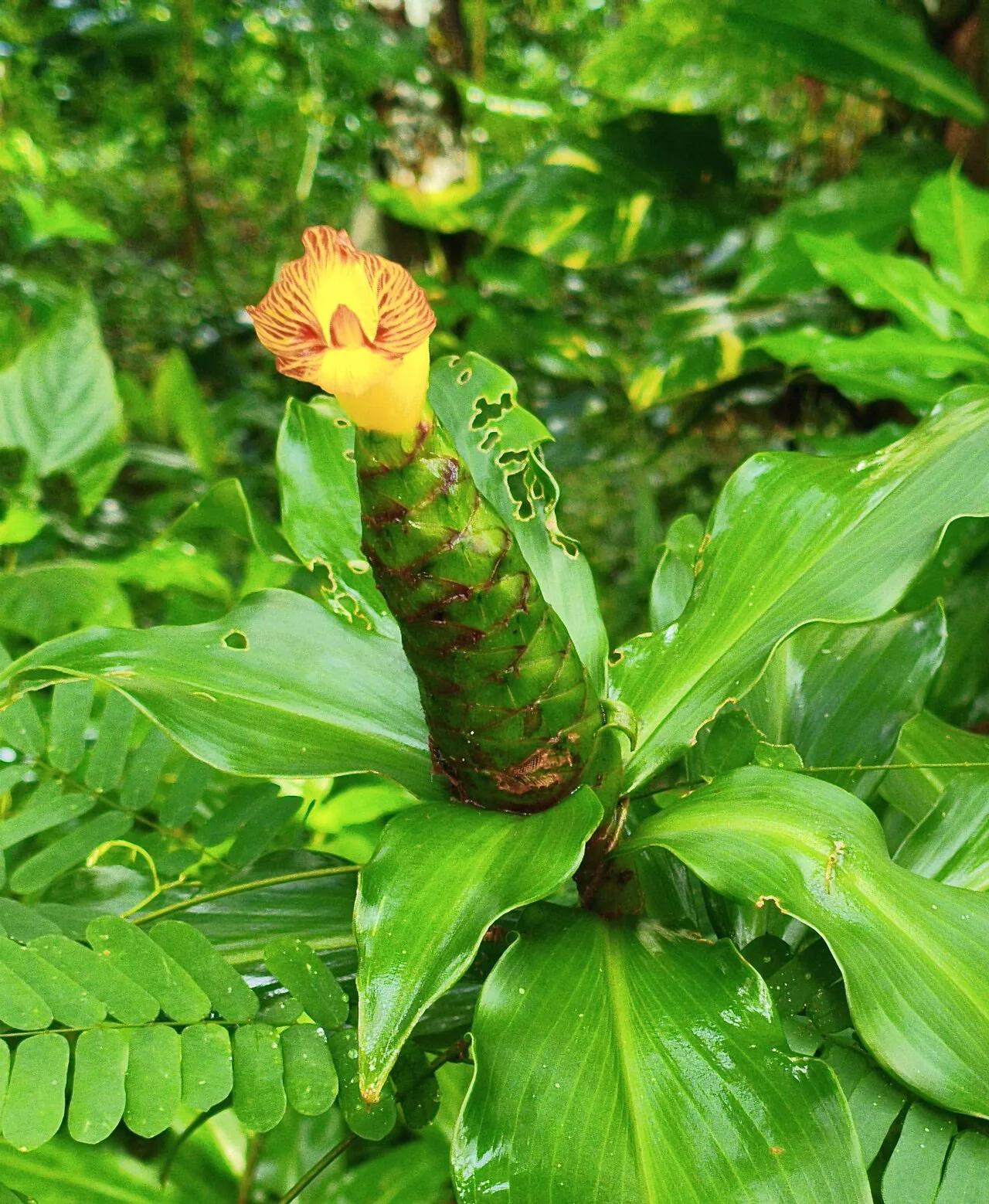
Insulin Plant / Fiery Costus / Spiral Flag (Chamaecostus cuspidatus (syn. Costus igneus))
Image: Insulin Plant / Fiery Costus / Spiral Flag  • Family: Costaceae
Available for Order

Order Insulin Plant / Fiery Costus / Spiral Flag

Plant Price
Rs.80

Get a premium, nursery-grown Insulin Plant / Fiery Costus / Spiral Flag (Chamaecostus cuspidatus (syn. Costus igneus)) plant delivered straight to your doorstep. Tap below to connect with us on WhatsApp to request real plant pictures, pot sizes, and shipping options.

Insulin Plant / Fiery Costus / Spiral Flag - Identification & Botanical Features

  • Leaves: Large, simple, alternate, and spirally arranged around the smooth stem. Glossy, dark green upper surface with a lighter underside, smooth margins, and a distinct sour/acidic taste when chewed fresh.

  • Flowers: Bright orange-yellow cone-shaped inflorescences that emerge terminal to the stem. The individual flowers are delicate, ruffled, and resemble crepe paper.

  • Root System: Thick, fleshy subterranean rhizomes that spread easily under suitable conditions.

How to grow Insulin Plant / Fiery Costus / Spiral Flag

  • Potting & Soil: Use an airy, fertile potting mix composed of 40% garden soil, 30% compost/vermicompost, and 30% perlite or sand for sharp drainage.

  • Watering: Keep the soil consistently moist. Reduce watering slightly during colder winter months.

  • Light & Placement: Best placed in a balcony or garden bed that receives filtered sunlight or 3–4 hours of gentle morning sun.

  • Maintenance: Prune older, yellowing stems at the base to encourage vigorous new rhizome shoots.

Horticultural, Timber & Ecological Uses

  • Ornamental Landscape Plant: Highly prized in tropical border gardens and shaded landscapes for its distinct spiral foliage architecture and vivid blooms.

  • Pollinator Habitat: Attracts beneficial pollinators, including bees and butterflies, during its active blooming period.

  • Potted Indoor/Patio Specimen: Adapts well to container gardening in warm indoor or shaded balcony environments.

Chamaecostus cuspidatus (syn. Costus igneus) - Traditional Uses

  • Glycemic Support: Traditionally used in complementary herbal practices where fresh leaves are chewed in the morning to support healthy blood sugar regulation.

  • Bioactive Phytochemicals: Rich in flavonoids, triterpenoids, proteins, and alkaloids with antioxidant and anti-hyperglycemic properties.

  • Dosage & Precaution: Typically consumed under supervision; pregnant or nursing individuals and those already taking pharmaceutical anti-diabetic medication should consult an Ayurvedic practitioner or physician before regular consumption.

* Editorial Notice: Ethnobotanical and traditional Ayurvedic entries represent historical ethnographic documentation and should not be construed as clinical medical advice.

Frequently Asked Questions

Why is it called the Insulin Plant?
It earned this common name because traditional practitioners and various preliminary studies observed that its leaf extracts support healthy glucose metabolism and pancreatic beta-cell function.
What is the Hindi name of the Insulin Plant?
It is commonly referred to in India as इंसुलिन पौधा (Insulin Paudha), Kostam, or Jarul.
Can Insulin Plant be grown easily in pots?
Yes, it thrives in medium-to-large pots (10–12 inches) with good drainage, rich soil, and partial sunlight.
How do you propagate an Insulin Plant?
Take a 4–6 inch semi-hardwood stem cutting or divide the rhizome clumps during the monsoon or spring season and plant in moist soil.