🇮🇳 यह पौधा प्रोफ़ाइल और सम्पूर्ण जानकारी हिन्दी (Hindi) में भी उपलब्ध है।
🇮🇳 हिन्दी में पढ़ें ➔
Deciduous Canopy Tree / Large Forest Tree

Haldu Tree (Dharakadamba / हलदू (Haldu))

Haldina cordifolia
Also Known as: हलदू (Haldu), करम (Karam), Haridru (हरिद्रु), Dharakadamba
Haldina cordifolia (syn. Adina cordifolia), commonly known as Haldu, is a large deciduous canopy tree native to the tropical and subtropical forests of the Indian Subcontinent and Southeast Asia. Belonging to the Rubiaceae (coffee) family, it is renowned for its substantial straight trunk, heart-shaped foliage, spherical blossom clusters, and fine-grained golden-yellow timber. In addition to high commercial value in carpentry and handicrafts, Haldu holds significant importance in classical Ayurveda and traditional ethnobotany for its antiseptic, anti-inflammatory, and hepatoprotective properties.
Botanical Family Rubiaceae
Native Region Indian Subcontinent, Southeast Asia (India, Nepal, Sri Lanka, Myanmar, Thailand, Vietnam)
Growth Habit Deciduous Canopy Tree / Large Forest Tree
Mature Height 20 – 35 meters (65 – 115 ft)
Sunlight Full Sun (requires open canopy)
Water Needs Moderate (drought-hardy once established)
Soil Dynamics Well-draining sandy loam to alluvial loam; pH 6.0 – 7.5
Propagation Seeds (wind-dispersed) and stem cuttings
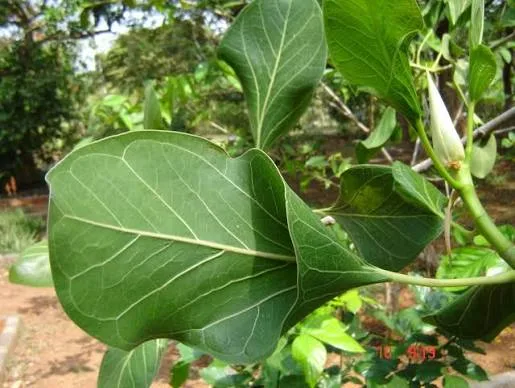
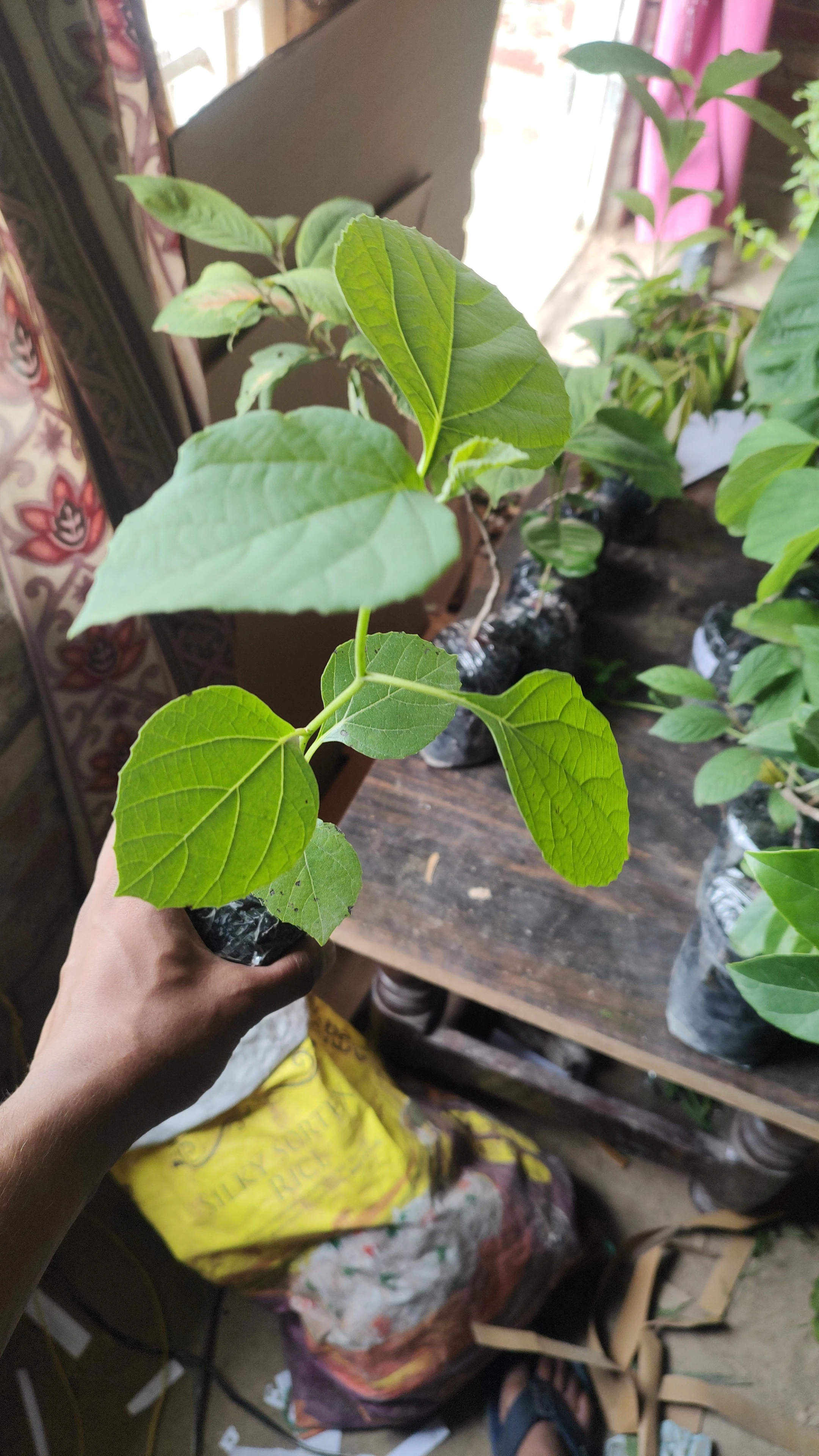
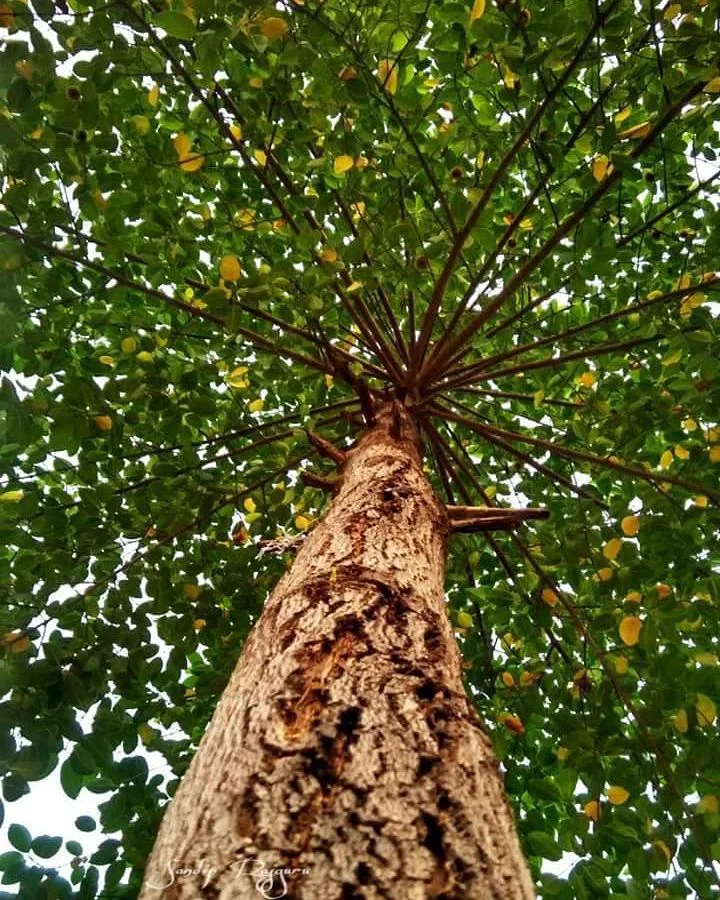
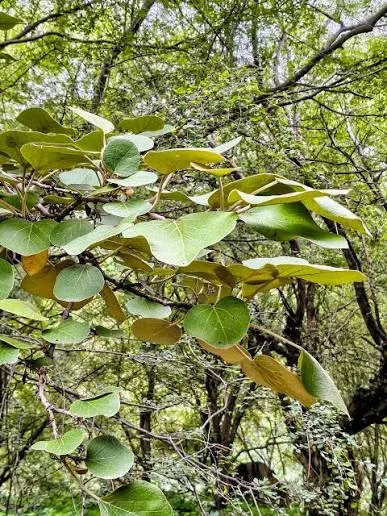
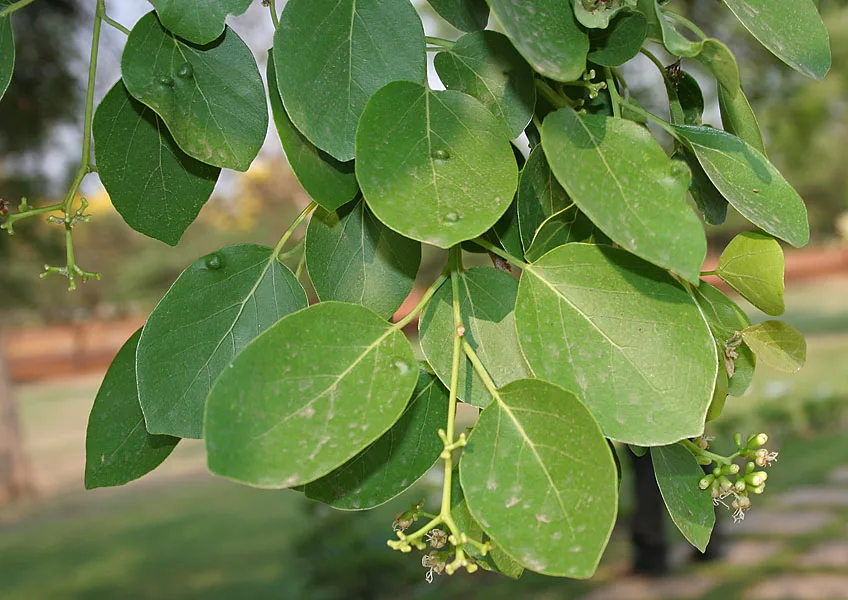
Haldu Tree (Haldina cordifolia)
Image: Haldu Tree  • Family: Rubiaceae
Available for Order

Order Haldu Tree

Plant Price
Rs.700

Get a premium, nursery-grown Haldu Tree (Haldina cordifolia) plant delivered straight to your doorstep. Tap below to connect with us on WhatsApp to request real plant pictures, pot sizes, and shipping options.

Haldu Tree - Identification & Botanical Features

  • Trunk & Bark: The trunk is tall, straight, and prominently fluted or buttressed at the base in mature specimens. Bark is rough, dark brownish-grey with thick, vertical fissures.
  • Foliage: Leaves are opposite, broadly oval to cordate (heart-shaped) at the base, measuring 15–30 cm across, with prominent interpetiolar stipules that protect the young buds.
  • Inflorescence & Flowers: Blooms appear in dense, spherical, globular heads on long peduncles. The florets are tiny, yellowish to cream-colored, and fragrant.
  • Fruit & Seeds: Small capsule clusters containing numerous minute, winged seeds adapted for wind dispersal.

How to grow Haldu Tree

  • Soil & Site Selection: Plant in deep, porous, well-draining sandy or riverine alluvial soil. Avoid heavy, waterlogged clay.
  • Sunlight & Climate: Thrives in warm, tropical to subtropical climates with full sun exposure. Young seedlings benefit from light shade, but mature trees require full canopy sunlight.
  • Watering: Moderate irrigation during the establishment phase (first 2–3 years). Highly drought-tolerant once deep taproots are developed.
  • Propagation & Maintenance: Germination of tiny seeds requires fine, moist seedbeds. Pruning is rarely needed except for shaping young saplings or removing damaged branches.

Horticultural, Timber & Ecological Uses

  • Timber Properties: Produces a distinctive golden-yellow to honey-brown wood that is even-textured, easy to season, and works smoothly on lathes.
  • Woodcraft & Carpentry: Extensively utilized for furniture, decorative paneling, parquet flooring, wood-carving, bobbin/spool making, and traditional comb carving.
  • Ecological Value: Provides a dense shade canopy in mixed deciduous forests, controls soil erosion on sloped terrains, and provides nectar/habitat for various pollinator species.

Haldina cordifolia - Traditional Uses

  • Ayurvedic Reference: Known traditionally as Haridru or Dharakadamba, categorized for its Tikta (bitter) and Kashaya (astringent) tastes and Sheetal (cooling) potency.
  • Bark Decoctions: Traditionally prescribed as a febrifuge (for chronic fevers) and used to treat digestive disorders like dysentery and colic pain.
  • Wound Healing: Bark paste applied externally for its potent antiseptic, anti-inflammatory, and antimicrobial actions to treat ulcers and cutaneous infections.
* Editorial Notice: Ethnobotanical and traditional Ayurvedic entries represent historical ethnographic documentation and should not be construed as clinical medical advice.

Frequently Asked Questions

What is the main use of Haldu wood?
Haldu wood is famous for its smooth texture, fine grain, and lustrous yellow-brown color. It is widely used in high-grade furniture, wood carving, structural paneling, toys, and bobbin manufacturing.
What is the difference between Haldina cordifolia and Adina cordifolia?
They refer to the same plant. Adina cordifolia is the older botanical name (basionym), while Haldina cordifolia is the currently accepted scientific classification.
How long does a Haldu tree take to mature?
Haldu is a moderately fast-growing tree in its early stages but takes around 30–50 years to achieve optimal timber size and girth in natural forest conditions.
Is Haldu used in Ayurvedic medicine?
Yes, the bark, roots, and leaves are used in traditional medicine to manage fevers, bilious complaints, wounds, inflammation, and skin conditions.
Taxonomic Relatives

Other Species from the Rubiaceae Family

Kadamba Tree

Neolamarckia cadamba
Vernacular: कदम्ब (Kadam), Kadamba (कदम्बक), Burflower Tree, Laran, Haripriya

Complete botanical guide to Kadamba (Neolamarckia cadamba). Learn about its fragrant globe flowers, medicinal benef...