Why Are People Looking for Dahiman Plants Online?
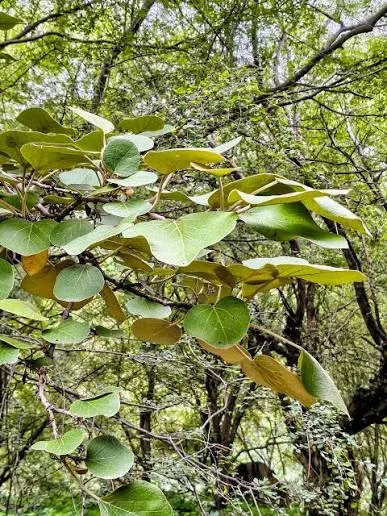
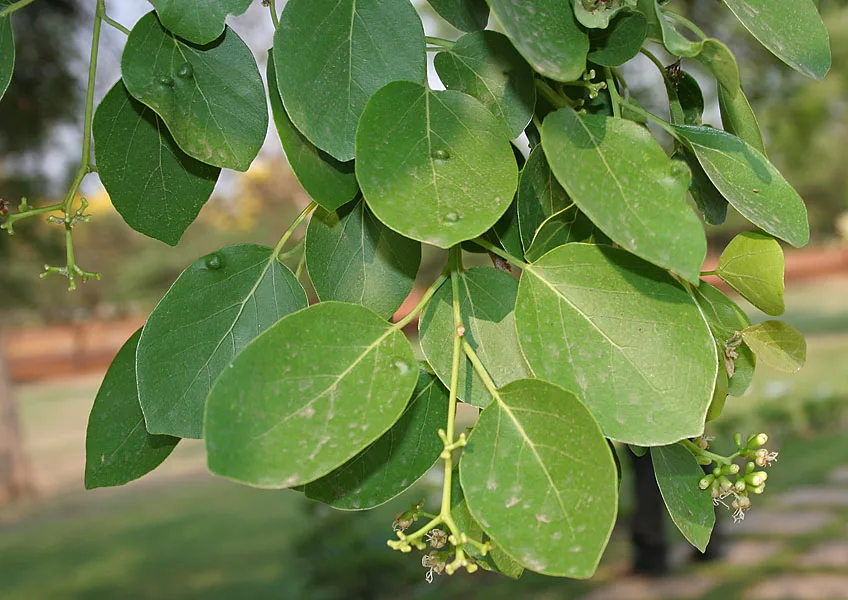
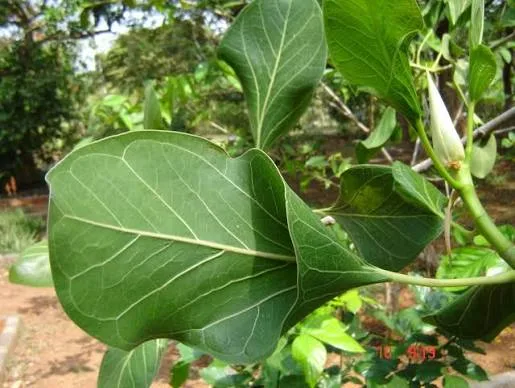
Dahiman (Cordia macleodii), also known by regional names such as Dahi Palash, Dehwan, and Sitapatra, is a distinctive Indian tree known for its characteristic leaf texture and the dark marks that can appear when the leaf surface is gently scratched. These features make Dahiman particularly interesting to plant collectors and people looking for authentic specimens.
Because Dahiman can be confused with other plants that have similar regional names, correct identification is important when buying a Dahiman plant online or purchasing seeds. Checking the scientific name, leaf characteristics, plant photographs, and seller information can help reduce the risk of receiving a different species.
How to Identify an Authentic Dahiman Plant
Before ordering a live sapling or seeds online, look for several characteristics associated with Cordia macleodii. No single visual feature should be treated as the only test of identity.
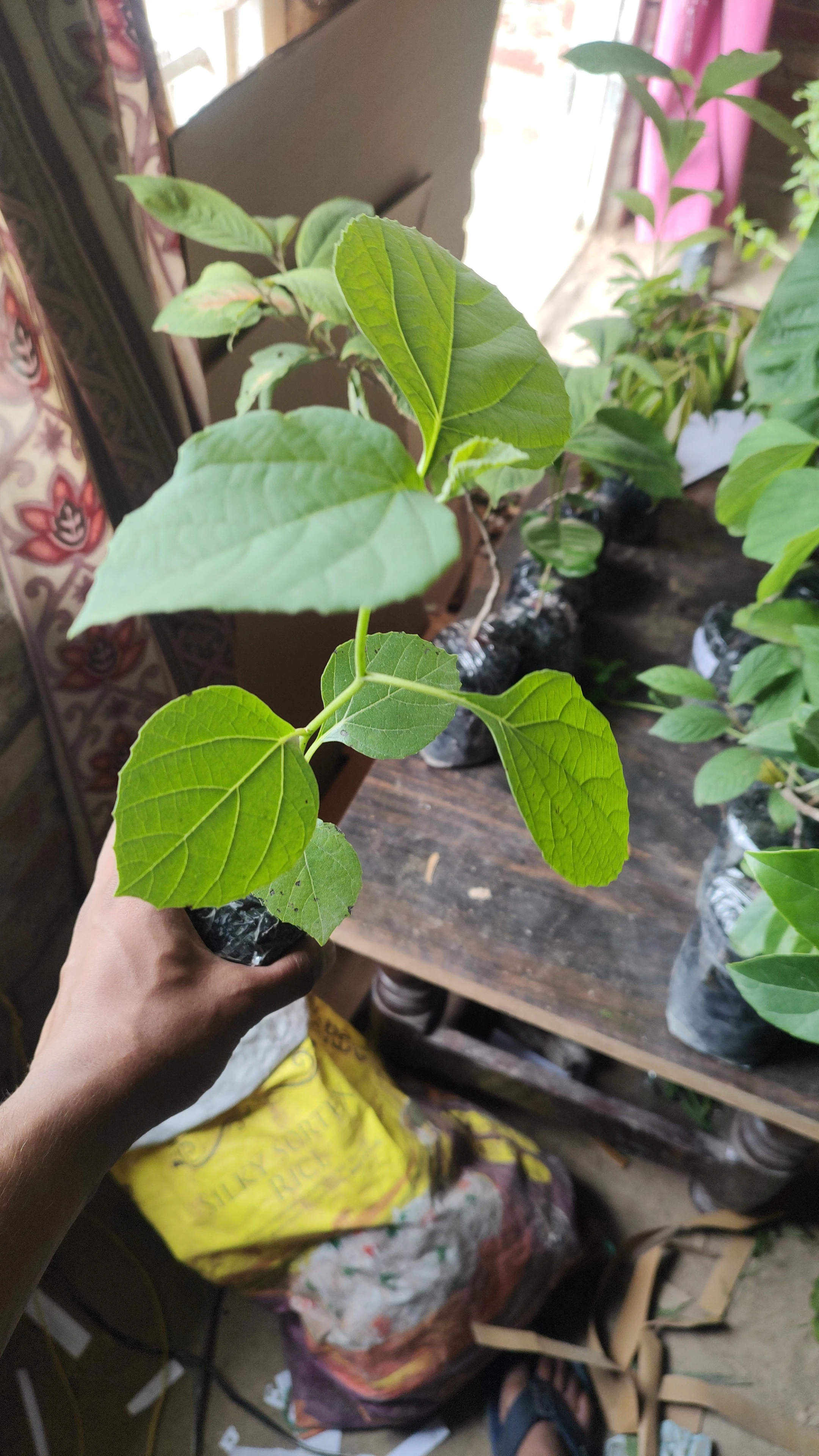
- Rough Leaf Texture: Dahiman leaves are characteristically rough or sandpapery on the upper surface, while the underside can have a noticeably hairy or woolly texture.
- The Sitapatra Writing Effect: A gentle mark made on a suitable mature leaf can gradually become dark, producing the characteristic “writing leaf” effect associated with Dahiman. The reaction can vary with leaf maturity and condition, so it should be used alongside other identification characteristics.
- Dahiman vs. True Palash: Dahiman should not be confused with true Palash (Butea monosperma). Palash has distinctive trifoliate compound leaves and typically produces bright orange-red flowers, whereas Dahiman has simple leaves and belongs to the Boraginaceae family.
Live Dahiman Sapling vs. Dahiman Seeds: Which Should You Buy?
When looking for Dahiman online, the two main options are a live nursery plant and seeds. The better choice depends on whether you want an established plant or prefer to grow the species from seed.
- Live Nursery Sapling: A healthy rooted sapling is generally the easier option for someone who wants to establish a Dahiman plant without going through the uncertainty of seed germination. The leaves and overall plant characteristics can also be inspected once the plant arrives.
- Dahiman Seeds Online: Cordia macleodii seeds have a hard outer covering, and germination can be slow or inconsistent. Suitable pre-sowing treatment, such as soaking or scarification, may help improve germination depending on seed condition and freshness. Use a loose, well-draining growing medium and avoid keeping the seeds constantly waterlogged.
For most first-time growers, a healthy live sapling is the simpler choice. Seeds are a better option if you specifically want to propagate Dahiman yourself or grow multiple plants from seed.
Caring for Your Dahiman Plant After Online Delivery
A live plant may experience some stress during courier transportation. Give it time to recover before moving it immediately into harsh outdoor conditions.
- Gentle Unboxing: Open the packaging carefully and avoid pulling or bending the main stem. Check the foliage and root ball for any visible transit damage.
- Hydration & Acclimation: If the growing medium is dry, water it lightly and place the plant in a bright, sheltered location for a few days. Gradually introduce it to stronger direct sunlight as it recovers.
- Well-Draining Soil: If repotting is necessary, use a loose, well-draining growing medium and a container with adequate drainage holes. Avoid keeping the roots in waterlogged soil.
- Sunlight Routine: Once the plant has recovered from transportation and begins producing healthy new growth, gradually move it toward its normal outdoor light conditions rather than exposing a recently shipped plant to intense afternoon sun immediately.
How to Safely Order a Dahiman Plant or Seeds Online
Before purchasing, verify that the listing clearly identifies the plant as Cordia macleodii and check whether the seller provides recent photographs of the actual plant or stock. For live plants, also look for information about plant size, packaging, shipping, and what happens if the plant is damaged during transit.
If you are buying seeds, check the stated botanical name, seed freshness, quantity, and available germination instructions. Avoid listings that provide only a generic name such as “Palash” without identifying the species.
Looking for a live Dahiman plant? You can check the available Cordia macleodii plant, current price, and ordering details through the plant listing below.