What is Vijaysar (The Indian Kino Tree)?
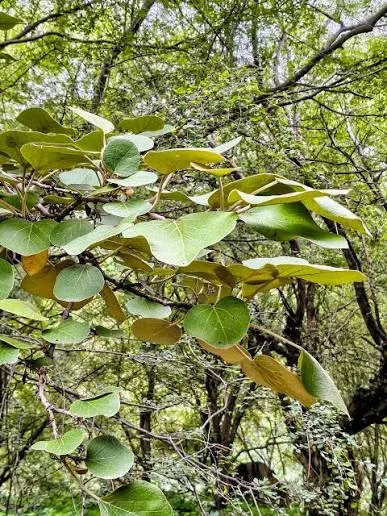
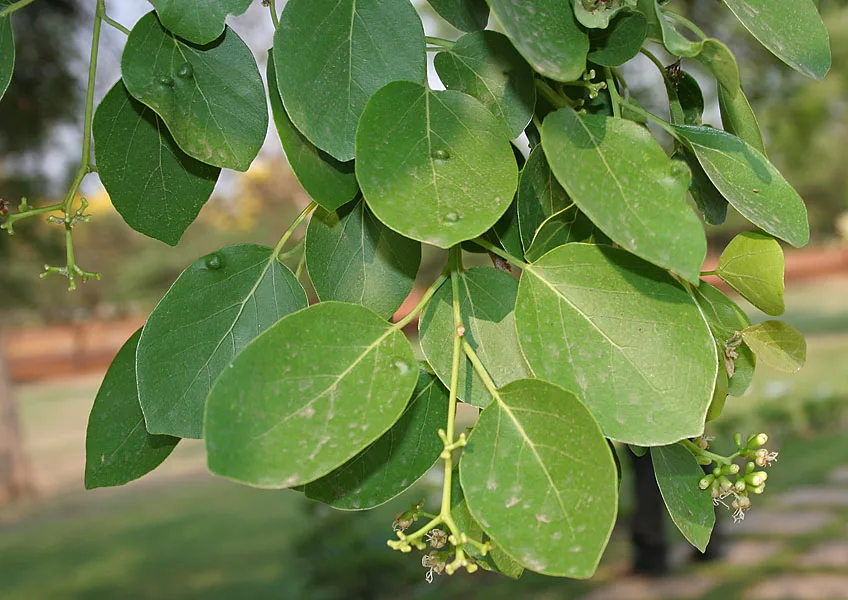
Vijaysar (Pterocarpus marsupium), commonly recognized as the Indian Kino Tree, Malabar Kino, or Bija, is a massive deciduous forest tree indigenous to the central and southern peninsular forests of India. Belonging to the Fabaceae (legume) family, it is revered in classical Ayurveda as one of the most potent Pramehahara (anti-diabetic and metabolic-regulating) botanical treasures.
Its distinctive golden-red heartwood is enriched with bioactive flavonoids—predominantly epicatechin, marsupsin, and pterosupin—which have been clinically documented to support pancreatic beta-cell health, enhance insulin sensitivity, and assist in balancing glucose metabolism.
The Vijaysar Wood Tumbler: How Does It Work?
For centuries, Ayurvedic practitioners have utilized raw, unpolished heartwood turned into drinking vessels, widely known as Vijaysar Wood Glasses or herbal tumblers:
- The Overnight Infusion Method: Drinking water is poured into the raw wooden tumbler in the evening and left undisturbed overnight (8 to 10 hours).
- Active Extraction: During this period, the water naturally leaches water-soluble polyphenols, tannins, and pterostilbene from the heartwood matrix.
- The Color Transformation: By morning, the clear water takes on a rich reddish-brown or amber hue with a slight blue fluorescence under direct sunlight, signaling that the therapeutic actives have diffused into the water.
How to Identify Real vs. Fake Vijaysar Wood
Due to high commercial demand, ordinary wood treated with chemical dyes or cheaper substitutes are frequently sold in local markets. Use these physical and botanical markers to confirm authenticity:
- The Fluorescence Test: Hold the infused red-brown water up to natural daylight against a dark backdrop. Genuine Pterocarpus marsupium extract displays a unique, natural bluish-purple optical fluorescence at the water surface.
- Bark & Exudate: Living Vijaysar trees bleed a thick, blood-red astringent gum resin (Kino) when the outer rough grey bark is incised.
- Gradual Fading: A genuine Vijaysar tumbler naturally infuses less color over 40 to 60 days of continuous daily use as internal heartwood tannins deplete, requiring scraping or replacement. Artificially dyed wood loses its color suddenly or smells of synthetic polish.
Ecological Tolerances & Cultivation Guide
- Soil Requirements: Prefers deep, porous sandy loam, alluvial soil, or well-drained red lateritic gravel; sensitive to standing water and soggy clay.
- Sunlight & Climate: Thrives under intense direct sunlight (6+ hours daily). Hardy in hot subtropical to tropical zones, tolerating summer heat up to 45°C.
- Irrigation: Deep, moderate watering during the initial 2 to 3 years of sapling establishment; develops deep taproots and becomes highly drought-resilient with maturity.
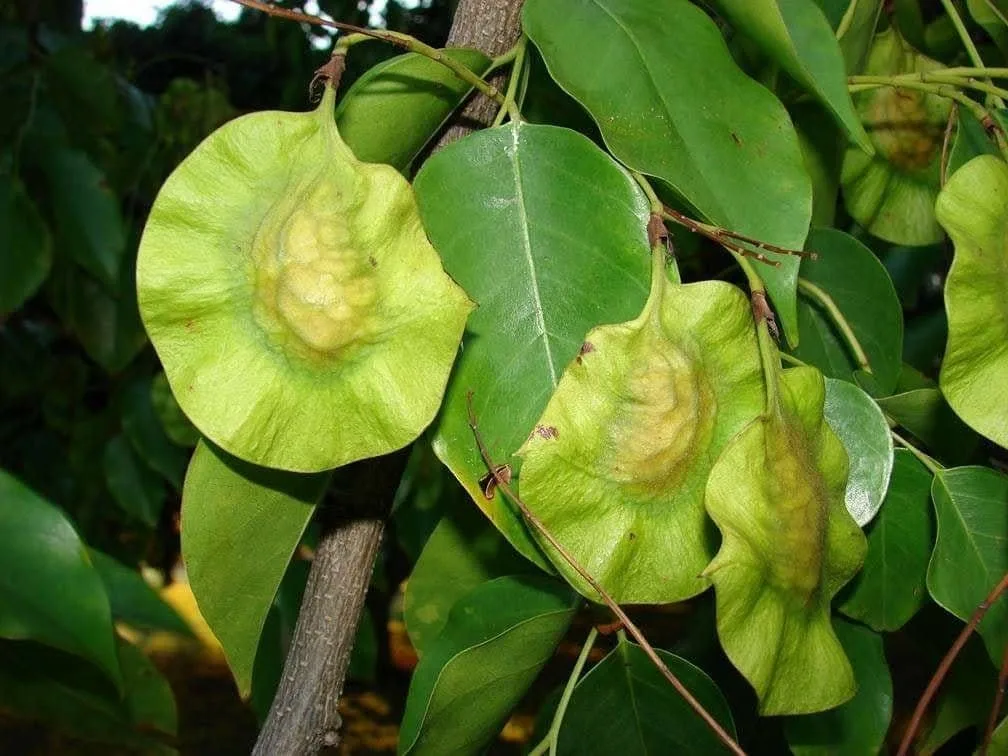
- Propagation: Propagated primarily via scarified, wing-margined pod seeds sown during pre-monsoon showers.