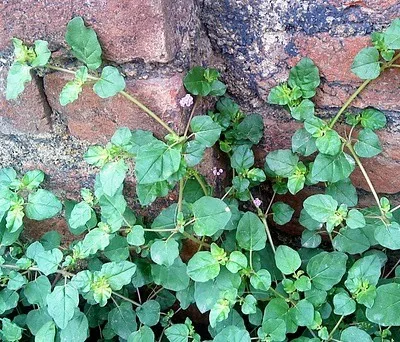
Prostrate, sprawling perennial herb with branching stems

Punarnava (Spreading Hogweed / Hogweed) (Shothaghni / पुनर्नवा (Punarnava))

Boerhavia diffusa L.
Also Known as: पुनर्नवा (Punarnava), गदहपुरा (Gadahpura), रक्‍त पुनर्नवा, Shothaghni, Spreading Hogweed
Boerhavia diffusa, universally known as Punarnava (meaning 'one that renews the body'), is a prostrate, perennial herb native to India and tropical regions worldwide. Celebrated in Ayurveda for its remarkable rejuvenative, diuretic, and anti-inflammatory properties, it has deep roots in traditional medicine for supporting kidney health, fluid balance, liver detoxification, and overall cellular revitalization.
Botanical Family Nyctaginaceae
Native Region Indian Subcontinent, tropical Asia, Africa, and Americas
Growth Habit Prostrate, sprawling perennial herb with branching stems
Mature Height Low-lying ground cover spreading horizontally up to 1 meter; stems rise 20–40 cm
Sunlight Full Sun (requires 6+ hours of direct sunlight for optimal root and leaf development)
Water Needs Low to Moderate (thrives in dry conditions once established; sensitive to waterlogging)
Soil Dynamics Well-draining sandy loam, gravelly, or dry garden soil; pH 6.0 – 7.5 (highly drought-tolerant)
Propagation Seeds and stem cuttings
Punarnava (Spreading Hogweed / Hogweed) (Boerhavia diffusa L.)
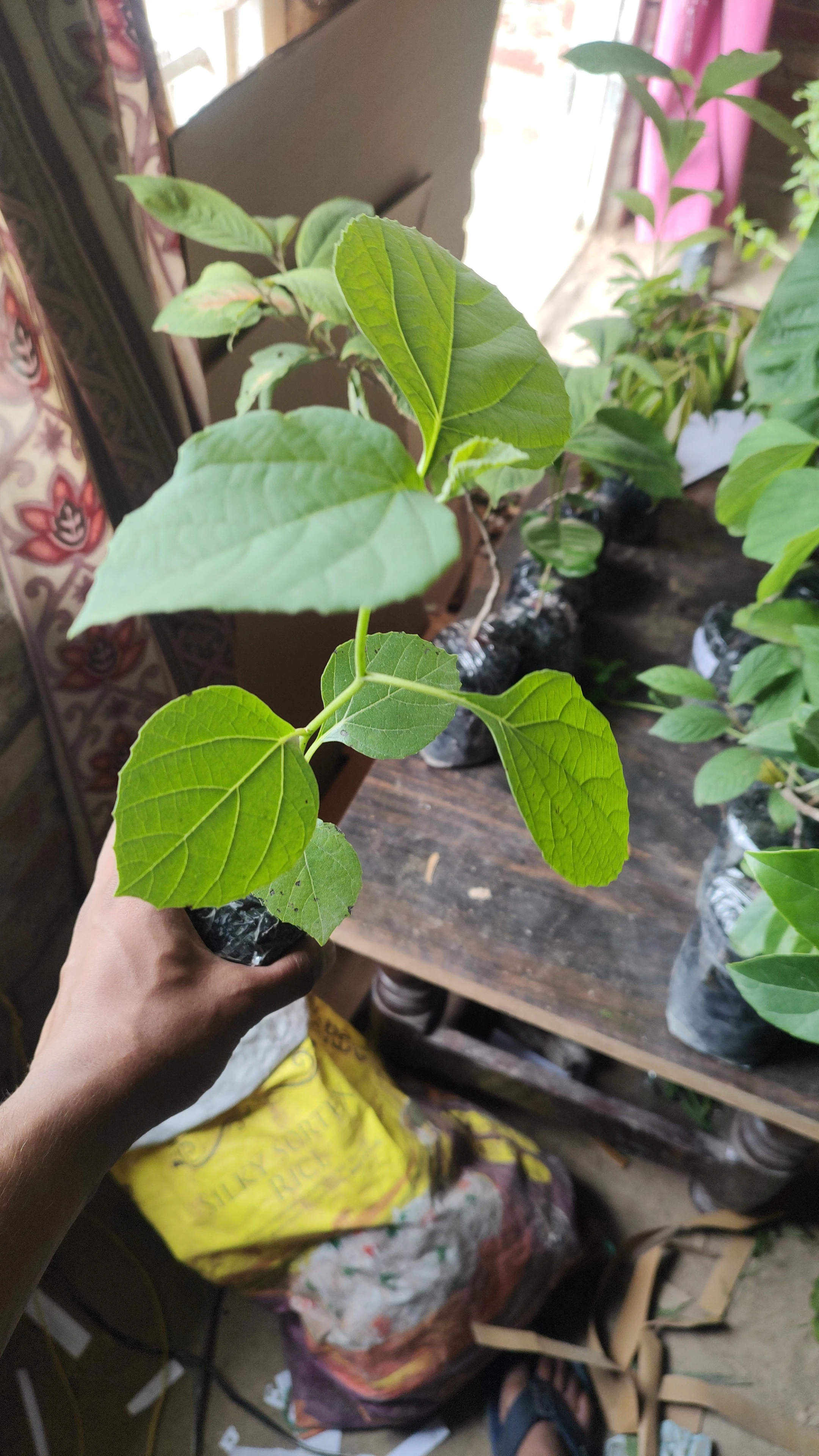
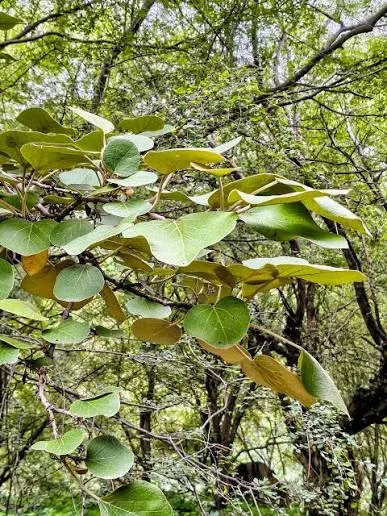
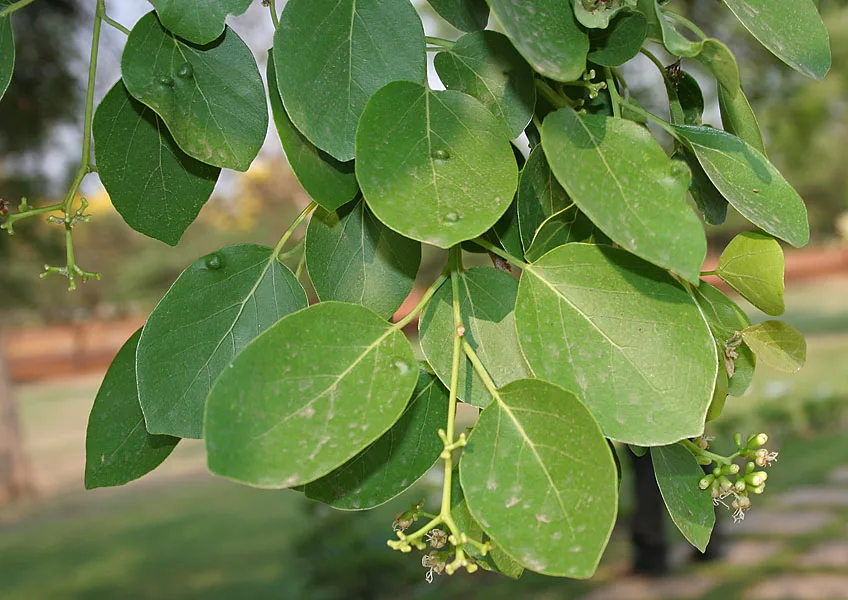
Image: Punarnava (Spreading Hogweed / Hogweed)  • Family: Nyctaginaceae
Available for Order

Order Punarnava (Spreading Hogweed / Hogweed)

Plant Price
100

Get a premium, nursery-grown Punarnava (Spreading Hogweed / Hogweed) (Boerhavia diffusa L.) plant delivered straight to your doorstep. Tap below to connect with us on WhatsApp to request real plant pictures, pot sizes, and shipping options.

Punarnava (Spreading Hogweed / Hogweed) - Identification & Botanical Features

  • Stems & Habit: Slender, prostrate, purple-tinged or green branching stems spreading outward from a thick, woody rootstock.
  • Foliage: Thick, small, opposite leaves that are broadly ovate or elliptic, smooth dark green on top, and often whitish or silvery underneath.
  • Flowers: Minute, umbrella-like clusters of tiny pink, purplish, or white flowers blooming at branch tips.
  • Roots: Thick, cylindrical, tuberous taproots that possess the highest concentration of active medicinal compounds (punarnavine).

How to grow Punarnava (Spreading Hogweed / Hogweed)

  • Soil & Drainage: Plant in loose, well-draining soil mixed with coarse sand or perlite. It does poorly in soggy, heavy clay soils.
  • Sunlight Placement: Position pots or garden beds in full, unshaded sunlight.
  • Watering Protocol: Water deeply only when the top 2–3 inches of soil become completely dry. It is highly drought-resistant.
  • Harvesting Roots/Leaves: Leaves can be harvested continuously for fresh herbal juices, while roots are traditionally harvested after the plant matures (typically 1 year).

Horticultural, Timber & Ecological Uses

  • Ground Cover & Rock Gardens: Excellent for filling dry, sunny garden slopes, borders, or rockeries as a hardy native ground cover.
  • Herbal Sourcing & Phytochemical Value: Highly sought after by commercial herbal manufacturers for standardized extracts used in kidney and urinary tract wellness products.
  • Pollinator Attraction: Tiny blossoms attract small native pollinators and beneficial insects.

Boerhavia diffusa L. - Traditional Uses

  • Ayurvedic Qualities: Possesses Tikta (bitter), Madhura (sweet), and Kashaya (astringent) tastes, Laghu (light) and Ruksha (dry) qualities, and warm potency (Ushna Virya).
  • Kidney & Urinary Tonic: Renowned for balancing Kapha and Vata doshas, supporting natural diuresis, reducing systemic swelling (edema), and maintaining healthy kidney filtration.
  • Rejuvenation (Rasayana): Acts as a systemic rejuvenator that restores vitality, cleanses blood toxins (Ama), and revitalizes body tissues.
* Editorial Notice: Ethnobotanical and traditional Ayurvedic entries represent historical ethnographic documentation and should not be construed as clinical medical advice.

Frequently Asked Questions

What are the primary health benefits of Punarnava (Boerhavia diffusa)?
Punarnava is traditionally used to support kidney health, reduce water retention and swelling, detoxify the liver, and act as an overall rejuvenative tonic (Rasayana) for the body.
Can Punarnava be grown in home pots?
Yes, Punarnava grows exceptionally well in wide, shallow pots or terrace garden containers provided it receives full sunlight and well-draining soil.
How do you identify real Punarnava in the wild?
It is recognized by its sprawling prostrate stems, small opposite leaves with whitish undersides, thick taproot, and clusters of tiny pink or purple flowers.
What part of the Punarnava plant is most medicinal?
While the leaves are used fresh for juices and culinary-medicinal infusions, the thick tuberous roots contain the highest concentration of active alkaloids like punarnavine.