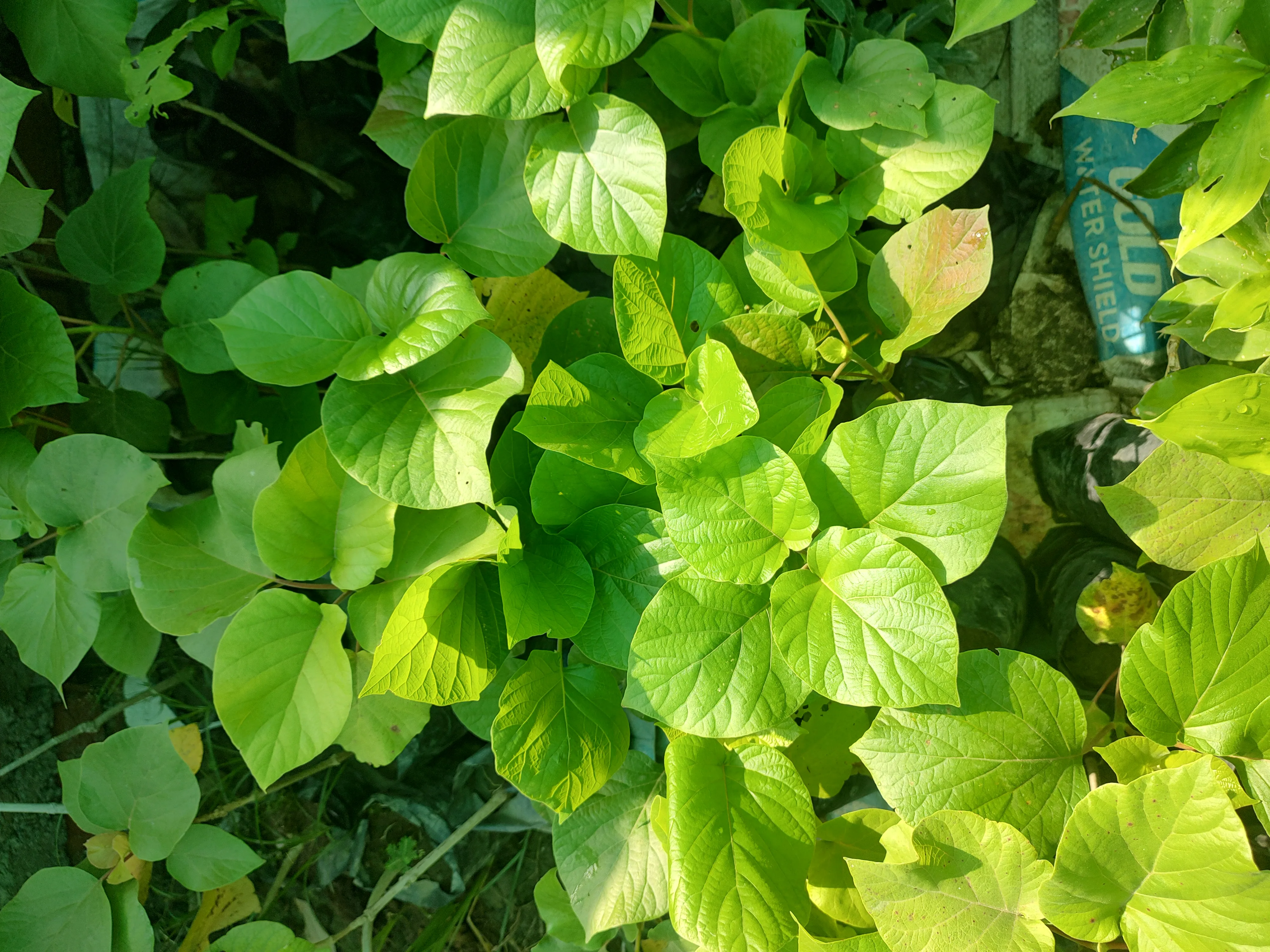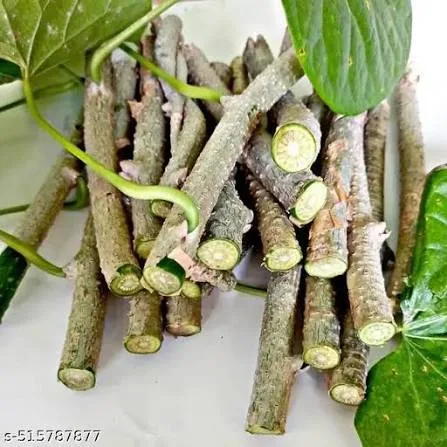
Perennial Climbing Vine / Medicinal Liana

Giloy (गिलोय)

Tinospora cordifolia
Also Known as: गिलोय, गुडूची (Guduchi), अमृता (Amrita), गिलोय लता
Tinospora cordifolia, commonly known as Giloy, Guduchi, or Amrita, is a perennial climbing vine belonging to the Menispermaceae family. Native to the Indian Subcontinent and widely found in tropical and subtropical regions, it is recognized by its thick succulent stems, heart-shaped leaves, aerial roots, and small greenish-yellow flowers. Giloy is valued as a hardy medicinal and climbing plant and can be grown in gardens or large containers with suitable support. It has a long history in Ayurveda and traditional Indian ethnobotany, where its stem and other plant parts have been used in traditional herbal preparations. Learn about Giloy's botanical identification, growing conditions, propagation from stem cuttings, plant care, traditional uses, and ecological characteristics.
Botanical Family Menispermaceae
Native Region Indian Subcontinent and Indo-China (India, Nepal, Sri Lanka, Bangladesh, Myanmar and surrounding regions)
Growth Habit Perennial Climbing Vine / Medicinal Liana
Mature Height 10 – 20 meters (33 – 65 ft) when supported by trees or structures
Sunlight Full Sun to Partial Shade
Water Needs Moderate; allow the upper soil layer to partially dry between watering
Soil Dynamics Well-draining loamy, sandy-loam or fertile garden soil; approximately pH 6.0 – 7.5
Propagation Stem Cuttings and Seeds
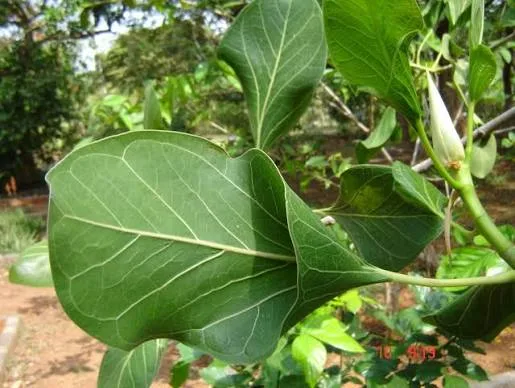
Giloy (Tinospora cordifolia)
Image: Giloy  • Family: Menispermaceae
Available for Order

Order Giloy

Plant Price
Rs.100

Get a premium, nursery-grown Giloy (Tinospora cordifolia) plant delivered straight to your doorstep. Tap below to connect with us on WhatsApp to request real plant pictures, pot sizes, and shipping options.

Giloy - Identification & Botanical Features

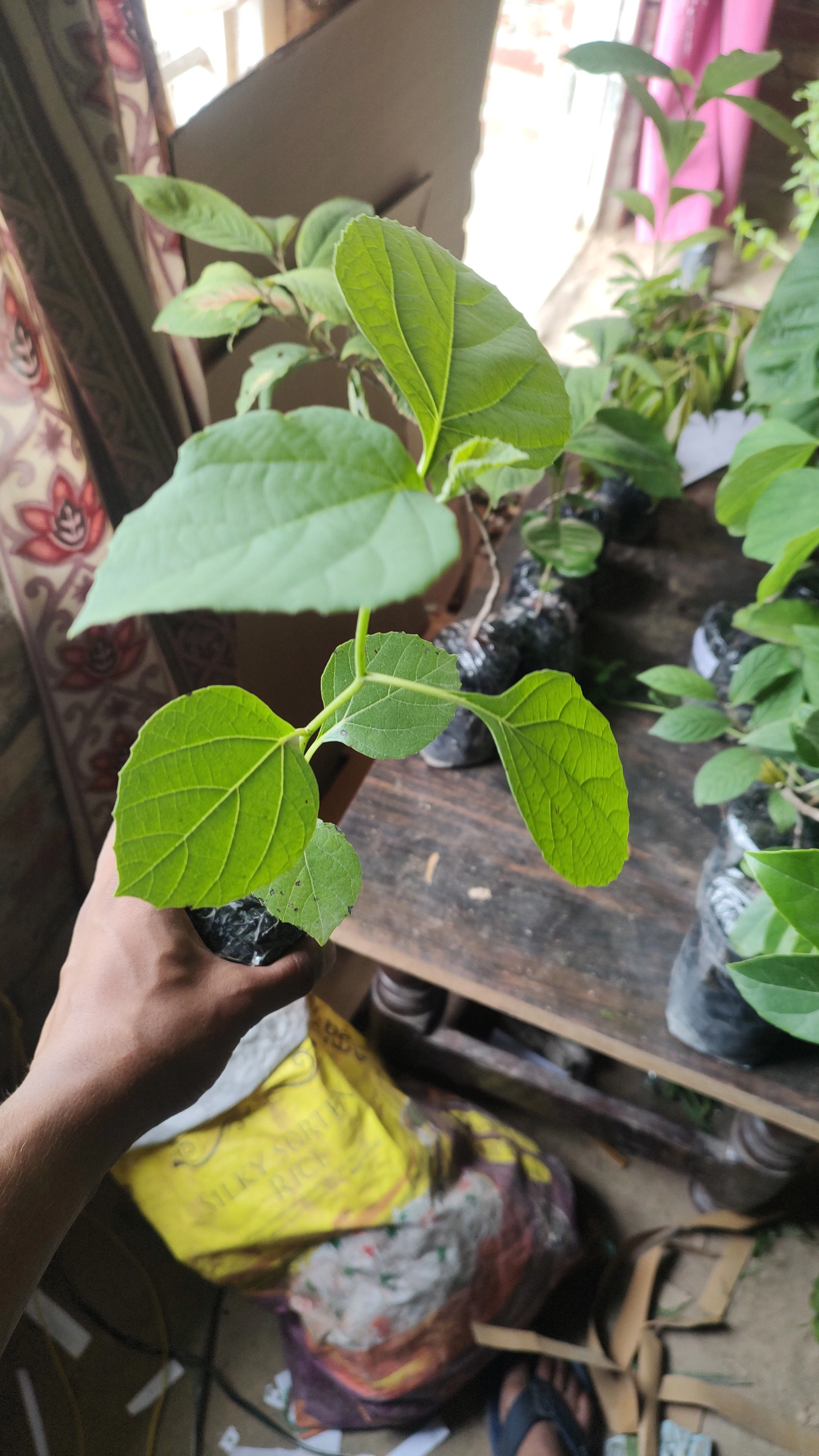
  • Stem & Bark: Giloy is a vigorous perennial climbing vine with thick, succulent stems. Young stems are green and fleshy, while older stems develop a greyish-brown, corky surface with characteristic wart-like projections and lenticels. Aerial roots may emerge from mature branches.
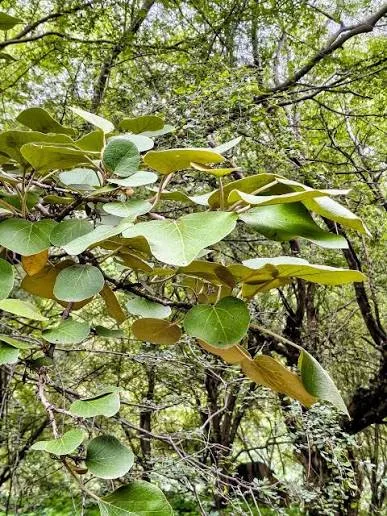
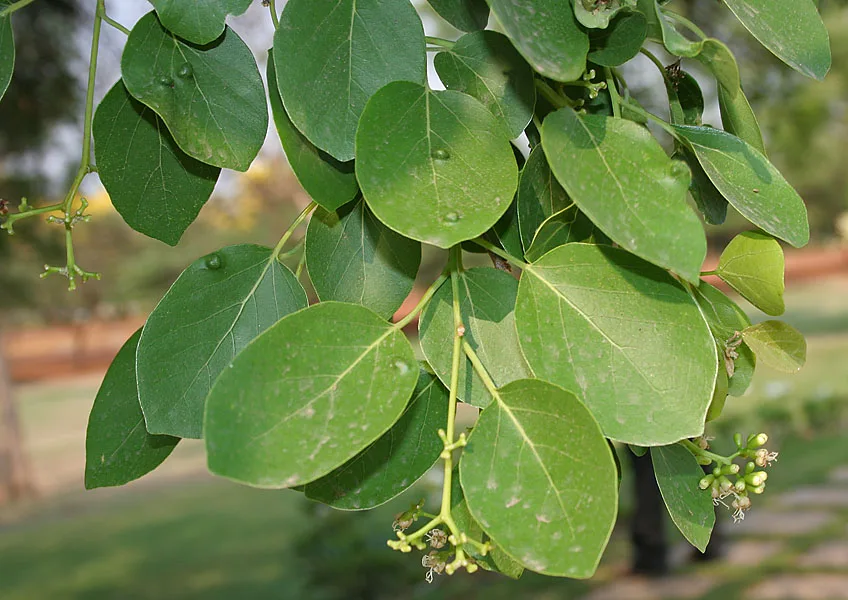
  • Foliage: Leaves are simple, alternate, broadly ovate to heart-shaped, typically measuring about 5–15 cm across. The deeply cordate leaf base and long petiole are among the most recognizable features of the plant.
  • Aerial Roots: Mature Giloy vines commonly produce long, slender aerial roots from their branches. These roots can help the plant establish contact with supporting surfaces and are a distinctive feature when identifying older vines.
  • Flowers: The flowers are small and generally greenish-yellow. They occur in clusters along the branches. Giloy is dioecious, meaning male and female flowers are generally produced on separate plants.
  • Fruit: Giloy produces small, smooth, ovoid drupes that develop from the female flowers. The fruits become orange to bright red as they mature and typically contain a single seed.
गिलोय का पौधा कैसे लगाएं? कटिंग से गमले में उगाने का आसान तरीका

How to grow Giloy

  • Soil & Site Selection: Giloy grows well in fertile, porous and well-draining soil. A loamy or sandy-loam mixture enriched with organic matter is suitable for home cultivation. Avoid areas where water remains stagnant around the roots.
  • Sunlight & Climate: Giloy is naturally adapted to warm tropical and subtropical conditions. It performs well in full sunlight but can also tolerate partial shade. Young plants can benefit from protection against extremely intense afternoon heat during initial establishment.
  • Watering: Water the plant when the upper layer of soil begins to dry. Newly planted cuttings require more consistent moisture while establishing roots, whereas mature Giloy vines can tolerate short periods of reduced watering. Overwatering and continuously saturated soil should be avoided.
  • Propagation: Stem cuttings are one of the simplest methods for propagating Giloy. Select a healthy, mature section of stem containing several nodes and plant it in a moist, well-draining growing medium. Seeds can also be used, although stem propagation is commonly preferred for cultivation.
  • Support: Giloy is a climbing vine and requires a suitable structure for vertical growth. A trellis, fence, pole or sturdy tree can be used as support. Without support, the long stems tend to spread across the ground.
  • Pruning: Regular pruning is not essential for survival but is useful for controlling the size and direction of the vine. Remove damaged, diseased or excessively tangled stems and prune vigorous growth when necessary.
  • Container Growing: Giloy can be grown successfully in a large pot or container when adequate drainage, sufficient soil volume and a strong climbing support are provided. Periodic pruning helps maintain a manageable size in small gardens and balconies.
  • Fertilization: Apply well-decomposed compost or organic manure periodically during active growth. Excessive fertilizer is generally unnecessary; healthy growth depends more on adequate sunlight, drainage and suitable support.
Read About Ashwagandha

Horticultural, Timber & Ecological Uses

  • Medicinal Plant: Giloy is one of the best-known medicinal plants associated with traditional Indian healthcare systems. The plant is cultivated and collected primarily for use in traditional herbal preparations.
  • Traditional Herbal Use: The stem is the principal plant part discussed in traditional Ayurvedic preparations. Giloy has traditionally been associated with preparations used for fever-related conditions, digestive complaints and general health support. These uses represent traditional knowledge and should not be interpreted as clinically established treatments.
  • Home Herbal Gardens: Its perennial growth, vigorous climbing habit and ability to propagate from stem cuttings make Giloy suitable for medicinal and educational home gardens in warm climates.
  • Ornamental Use: When trained over a trellis, fence or other support, Giloy can be maintained as a green climbing vine and used to cover suitable garden structures.
  • Ecological Value: Giloy occurs naturally in tropical and subtropical vegetation where its climbing stems grow over shrubs and trees. As part of natural plant communities, it contributes to the structural diversity of vegetation.
  • Educational Value: The plant is useful for botanical and ethnobotanical gardens because its distinctive heart-shaped leaves, succulent stems and aerial roots provide easily observable characteristics for studying climbing medicinal plants.

Tinospora cordifolia - Traditional Uses

  • Ayurvedic Name: Giloy is widely known as Guduchi (गुडूची) in Sanskrit and Ayurvedic literature. It is also traditionally called Amrita (अमृता), a name associated with its long-standing importance in traditional Indian medicine.
  • Traditional Plant Part Used: The stem is the most commonly referenced part of Giloy in traditional Ayurvedic preparations. Leaves and roots have also been used in different regional traditions.
  • Traditional Applications: Classical and regional traditions have used Giloy preparations for a range of purposes, including fever-related conditions, digestive complaints and general health support. The exact preparation, plant part and traditional application can vary between systems and regions.
  • Ethnobotanical Importance: Beyond Ayurveda, Giloy has been used in traditional health practices across different parts of the Indian Subcontinent. Its widespread recognition has contributed to its continued cultivation around homes, herbal gardens and medicinal-plant collections.
  • Modern Research: Tinospora cordifolia has been investigated for various biological activities in laboratory and pharmacological research. However, findings from laboratory or preliminary studies should not automatically be interpreted as proof that Giloy can prevent or treat a specific disease in humans.
  • Safety Context: Traditional use does not automatically establish safety or effectiveness for every person or condition. Giloy should not be presented as a replacement for prescribed medical treatment. Anyone considering medicinal use, particularly people taking medicines or managing an existing health condition, should consult a qualified healthcare professional.
ब्राह्मी के फायदे, दिमाग तेज करने के औषधीय गुण और सेवन का सही तरीका
* Editorial Notice: Ethnobotanical and traditional Ayurvedic entries represent historical ethnographic documentation and should not be construed as clinical medical advice.

Frequently Asked Questions

What is the scientific name of Giloy?
The scientific name of Giloy is Tinospora cordifolia. It belongs to the Menispermaceae family and the genus Tinospora.
What is Giloy called in Ayurveda?
Giloy is commonly known as Guduchi (गुडूची) in Sanskrit and Ayurveda. It is also known by the traditional name Amrita (अमृता), meaning 'immortal' or 'nectar-like'.
How do you grow Giloy from a cutting?
Take a healthy stem cutting containing several mature nodes and plant it in moist, well-draining soil. Keep the medium lightly moist while roots develop and provide a sturdy support once new growth begins.
Can Giloy be grown in a pot?
Yes. Giloy can be grown in a large container with good drainage. Because it is a vigorous climbing vine, the pot should be paired with a strong trellis or other support, and regular pruning can be used to control its size.
How much sunlight does a Giloy plant need?
Giloy grows well in full sun and can also tolerate partial shade. In very hot climates, some protection from intense afternoon heat can help young plants establish successfully.
How often should Giloy be watered?
Water Giloy when the upper layer of soil begins to dry. Young plants need more consistent moisture during establishment, while mature plants can tolerate short periods of reduced watering. Avoid prolonged waterlogging.
Does Giloy need a support to grow?
Yes. Giloy is a climbing vine and grows best when provided with a trellis, fence, pole, tree or another sturdy structure. Its long stems can climb several meters when suitable support is available.
What are the traditional uses of Giloy?
Giloy has a long history of traditional use in Ayurveda and Indian ethnobotany. Its stem is particularly important in traditional herbal preparations associated with fever, digestion and general health. These are traditional uses and should not be considered proven medical treatments.
Related Plant Tags
#Medicinal Plant #Native Indian Plants #amrita #ayurvedic plant #climbing vine #giloy #giloy cultivation #giloy cutting #giloy plant #giloy plant care #giloy propagation #guduchi #tinospora cordifolia
Knowledge Matrix

Related & Latest Botanical Articles

View all articles →
Rare Ethnobotanical Plants

Krishna Vat Plant (Makhan Katori): Identification, Care & Complete Growing Guide

Krishna Vat (Ficus krishnae), also known as Makhan Katori or Krishna's Butter Cup, is a distinctive Indian fig tree recognized by its unusual cup-shaped leaf bases. Learn how to identify Krishna Vat, understand its botanical characteristics, grow it in a pot or open ground, propagate it, and care for it in tropical and subtropical conditions.

Sep 18, 2026 • 12 min read
Taxonomic Relatives & Notable Species

Related & Notable Species (Menispermaceae)

View all plants →

Dahiman Plant

Cordia macleodii Hook. f. & Thomson
Vernacular: Dahiman, Dahipalas, Sitapatra, Dahiwan, Shikari, सीतापत्ता

Learn how to identify Dahiman (Cordia macleodii), including its leaves, bark, flowers, traditional uses, cultivatio...

Lasoda

Cordia dichotoma G. Forst.
Vernacular: Lasoda, Lasura Gunda Bhokar Indian Cherry, Glue Berry Shleshmataka

Discover Lasoda Plant (Cordia dichotoma / Gunda). Learn tree identification, fruit health benefits, pickle uses, se...

Haldu Tree

Haldina cordifolia
Vernacular: हलदू (Haldu), करम (Karam), Haridru (हरिद्रु), Dharakadamba

Comprehensive botanical profile of Haldu Tree (Haldina cordifolia). Explore identification characteristics, timber ...

Giloy
Giloy
Rs.100 In Stock
Order Plant