🇮🇳 यह पौधा प्रोफ़ाइल और सम्पूर्ण जानकारी हिन्दी (Hindi) में भी उपलब्ध है।
🇮🇳 हिन्दी में पढ़ें ➔
Perennial Woody Subshrub / Evergreen Herbaceous Bush

Ashwagandha (Indian Ginseng / अश्वगंधा (Ashwagandha))

Withania somnifera
Also Known as: अश्वगंधा (Ashwagandha), असगंध (Asgandh), बाजीगंधा (Bajigandha), Indian Ginseng, Winter Cherry
Withania somnifera, universally celebrated as Ashwagandha or Indian Ginseng, is a perennial, drought-tolerant subshrub belonging to the Solanaceae (nightshade) family. Indigenous to the dry, subtropical regions of India, the Middle East, and parts of Africa, Ashwagandha holds the highest rank among Ayurvedic Rasayana (rejuvenative) herbs. The name 'Ashwagandha' translates in Sanskrit to 'smell of a horse', describing both the characteristic earthy aroma of its potent roots and its traditional reputation for imparting vital physical vigor, endurance, and neurological resilience. Packed with bioactive withanolides, it is globally recognized as a premier adaptogen that helps the body modulate stress, balance cortisol, and support restful sleep.
Botanical Family Solanaceae
Native Region Indian Subcontinent (Madhya Pradesh, Rajasthan, Gujarat, Punjab), Middle East, Northern Africa
Growth Habit Perennial Woody Subshrub / Evergreen Herbaceous Bush
Mature Height 0.5 – 1.5 meters (1.5 – 5 ft)
Sunlight Full Direct Sun (6+ hours daily)
Water Needs Low (Xerophytic; extremely sensitive to root rot from overwatering)
Soil Dynamics Light, well-draining sandy loam to red loamy soil; pH 7.5 – 8.5 (Alkaline tolerant)
Propagation Seeds (Direct broadcasting or line sowing in well-prepared beds)
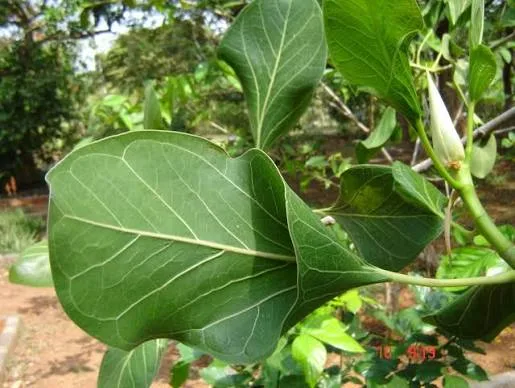
Ashwagandha (Withania somnifera)
Image: Ashwagandha  • Family: Solanaceae
Available for Order

Order Ashwagandha

Plant Price
100

Get a premium, nursery-grown Ashwagandha (Withania somnifera) plant delivered straight to your doorstep. Tap below to connect with us on WhatsApp to request real plant pictures, pot sizes, and shipping options.

Ashwagandha - Identification & Botanical Features

  • Root Architecture: Long, straight, fleshy, cylindrical taproots measuring 1–2 cm thick and 20–30 cm long. The outer root bark is light brown to cream-colored with a dense, starchy, white interior and a distinct horse-like earthy aroma.
  • Stems & Branching: Central erect stem with round branches covered in fine, star-shaped (stellate), whitish-grey downy hairs.
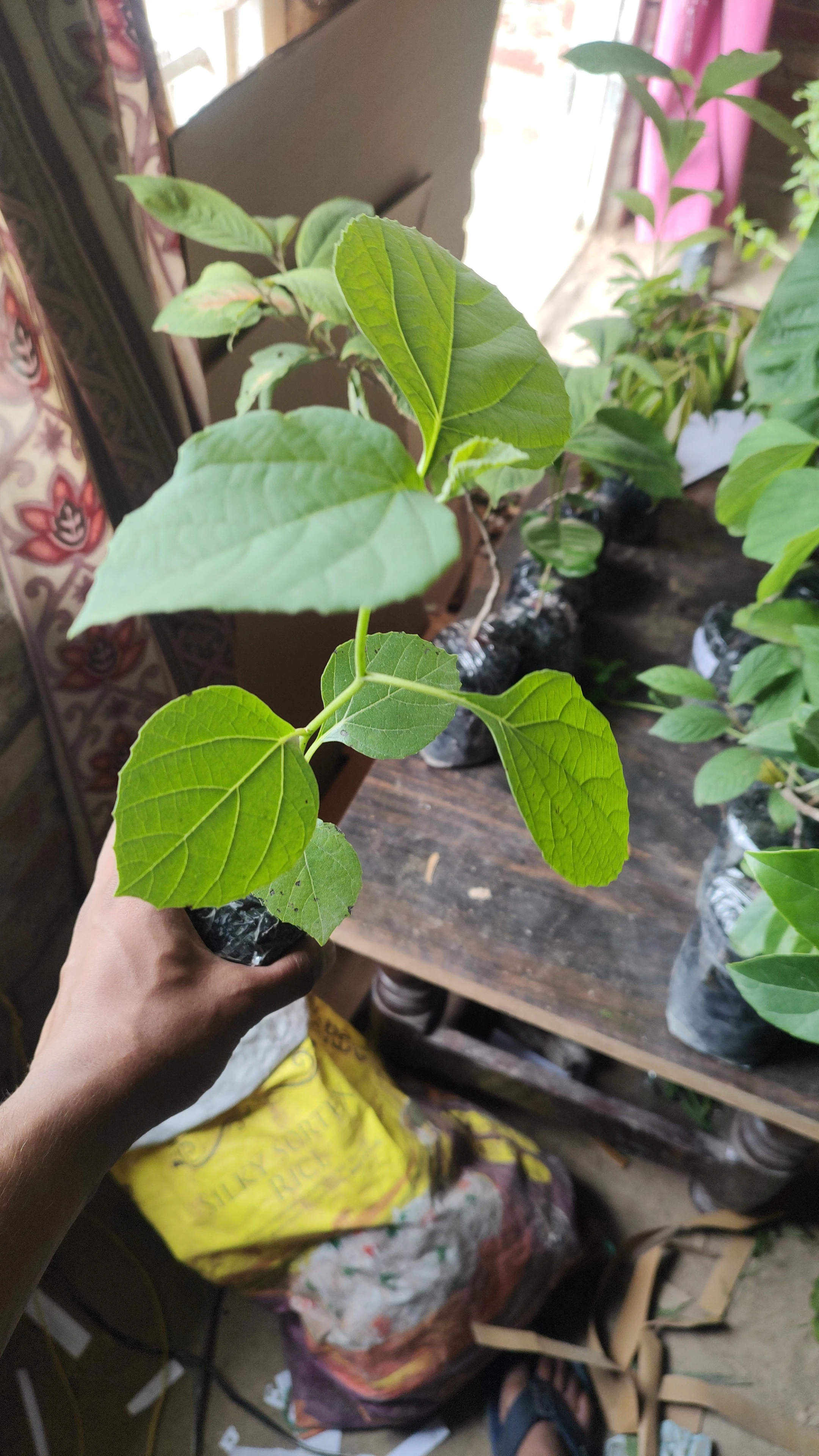
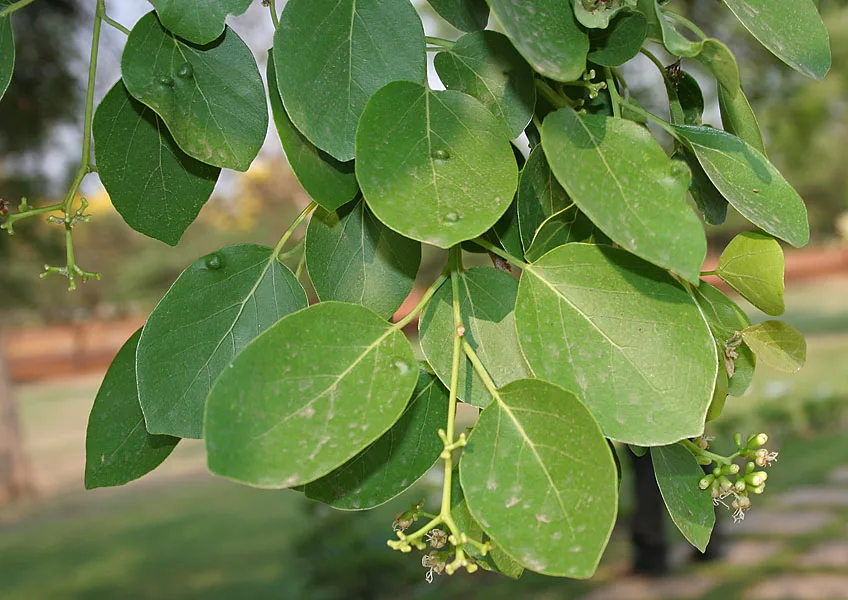
  • Foliage: Simple, alternate, broadly ovate to oblong leaves (5–12 cm long) with smooth margins, a dull green upper surface, and light greyish-pubescent undersides.
  • Inflorescence & Flowers: Inconspicuous, small, greenish-yellow, bell-shaped (campanulate) bisexual flowers borne in axillary clusters of 4 to 6 blossoms.
  • Fruit & Seeds: Smooth, globose, bright orange-red berries (6–8 mm across) completely encased inside an inflated, papery, lantern-like calyx. Each berry contains numerous tiny, flat, kidney-shaped yellow seeds.

How to grow Ashwagandha

  • Soil Selection & Drainage: Thrives in sandy loam or light red gravelly soils with excellent internal drainage. Heavy clay or waterlogged soils cause lethal root rot.
  • Sunlight & Climate: Requires dry, semi-arid conditions with full direct sun. Prefers warm daytime temperatures (25°C–35°C) and moderate night humidity.
  • Sowing & Spacing: Sow seeds directly in late monsoon (August–September) at a depth of 1–2 cm with 10–15 cm plant-to-plant spacing and 30 cm between rows.
  • Watering Protocol: Water sparingly. Keep soil barely moist during germination (7–14 days), then switch to deep, infrequent irrigation only during extended dry spells.
  • Harvesting Timeline: Roots reach optimal withanolide potency within 150 to 180 days after sowing, typically indicated by yellowing leaves and drying berries (January–March).

Horticultural, Timber & Ecological Uses

  • Commercial Medicinal Farming: Major cash crop cultivated extensively across arid tracts of central and western India (e.g., Nagauri Ashwagandha varieties).
  • Drought-Tolerant Landscaping: Excellent low-maintenance architectural subshrub for xeriscape gardens, dry borders, and medicinal botanical collections.
  • Pollinator Attractor: Flowers provide foraging nectar for solitary native bees, syrphid flies, and predatory insects.

Withania somnifera - Traditional Uses

  • Ayurvedic Classification: Categorized as a supreme Rasayana (rejuvenator) and Medhya (brain tonic). Possesses Tikta (bitter), Kashaya (astringent), and Madhura (sweet) tastes with Ushna (hot) potency, balancing Vata and Kapha doshas.
  • Adaptogenic & Stress Relief: Modern clinical research confirms that withanolides (withaferin A, withanolide D) lower serum cortisol, alleviate chronic anxiety, and promote restorative sleep.
  • Physical Strength & Vitality: Root powder (Churna) boiled in milk with raw honey is traditionally consumed by athletes and recovering patients to rebuild muscle tone, joint resilience, and stamina.
  • Cognitive Function: Supports neurotransmitter regulation, protecting brain cells from oxidative stress and enhancing mental clarity.
* Editorial Notice: Ethnobotanical and traditional Ayurvedic entries represent historical ethnographic documentation and should not be construed as clinical medical advice.

Frequently Asked Questions

What is the English name for Ashwagandha?
Ashwagandha (Withania somnifera) is commonly known in English as Indian Ginseng, Poison Gooseberry, or Winter Cherry.
Why is it called 'Ashwagandha'?
In Sanskrit, 'Ashwa' means horse and 'Gandha' means smell. It was named for both the distinct earthy, horse-like aroma of its raw roots and the traditional belief that consuming it imparts the strength and endurance of a horse.
Can I grow Ashwagandha in a home pot or container?
Yes. Use a deep pot (at least 12–16 inches deep) with ample bottom drainage holes to allow the long taproot to develop. Use a gritty 50% sand and 50% potting mix, place it in full sun, and avoid overwatering.
When and how are Ashwagandha roots harvested?
Roots are harvested 5 to 6 months after sowing when the leaves begin to yellow and the berries turn bright orange-red inside their papery calyxes. The entire plant is uprooted, roots are washed, separated from the stem, and shade-dried.