🇮🇳 यह पौधा प्रोफ़ाइल और सम्पूर्ण जानकारी हिन्दी (Hindi) में भी उपलब्ध है।
🇮🇳 हिन्दी में पढ़ें ➔
Perennial Woody Liana / Subterranean Tuberous Climber

Vidarikand (Indian Kudzu) (Sural / विदारीकंद (Vidarikand))

Pueraria tuberosa
Also Known as: विदारीकंद (Vidarikand), भुई कोहड़ा (Bhuyi Kohada), विदारी (Vidari), Sural, Ghorbel, Indian Kudzu
Pueraria tuberosa, commonly known as Vidarikand or Indian Kudzu, is a massive, perennial woody climber (liana) belonging to the Fabaceae family. Indigenous to the deciduous tracts and river valleys of the Indian Subcontinent, this plant is renowned for its enormous subterranean, starch-rich tubers and seasonal clusters of bluish-purple pea-like flowers. In Ayurvedic pharmacopeia, it stands as a premier Rasayana (rejuvenative tonic), Brimhana (bulk-promoting), and Vajikarana (vitality enhancer) herb, backed by modern phytochemical recognition for its rich content of isoflavonoids, pterocarpans, and tuberosin.
Botanical Family Fabaceae (Leguminosae / Pea Family)
Native Region Indian Subcontinent (India, Nepal, Pakistan - monsoon forests, rocky hillsides, and riverbanks)
Growth Habit Perennial Woody Liana / Subterranean Tuberous Climber
Mature Height Climbing canopy spread of 10 – 15 meters (30 – 50 ft)
Sunlight Full Sun to Partial Canopy Sunlight (requires open light for heavy flowering)
Water Needs Moderate during active growth; exceptionally drought-tolerant once taproot and tubers form
Soil Dynamics Deep, loose, well-aerated sandy loam, gravelly loam; pH 6.0 – 7.8 (intolerant of heavy waterlogged clay)
Propagation Root tuber divisions (crown cuttings) and scarified seeds
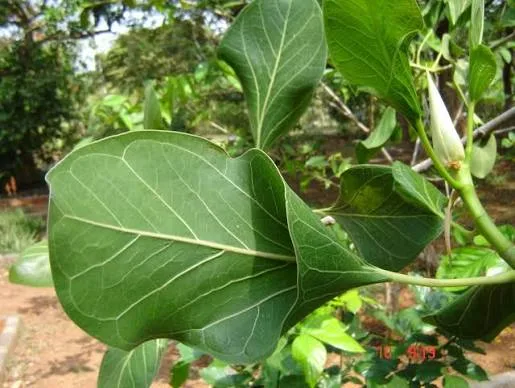
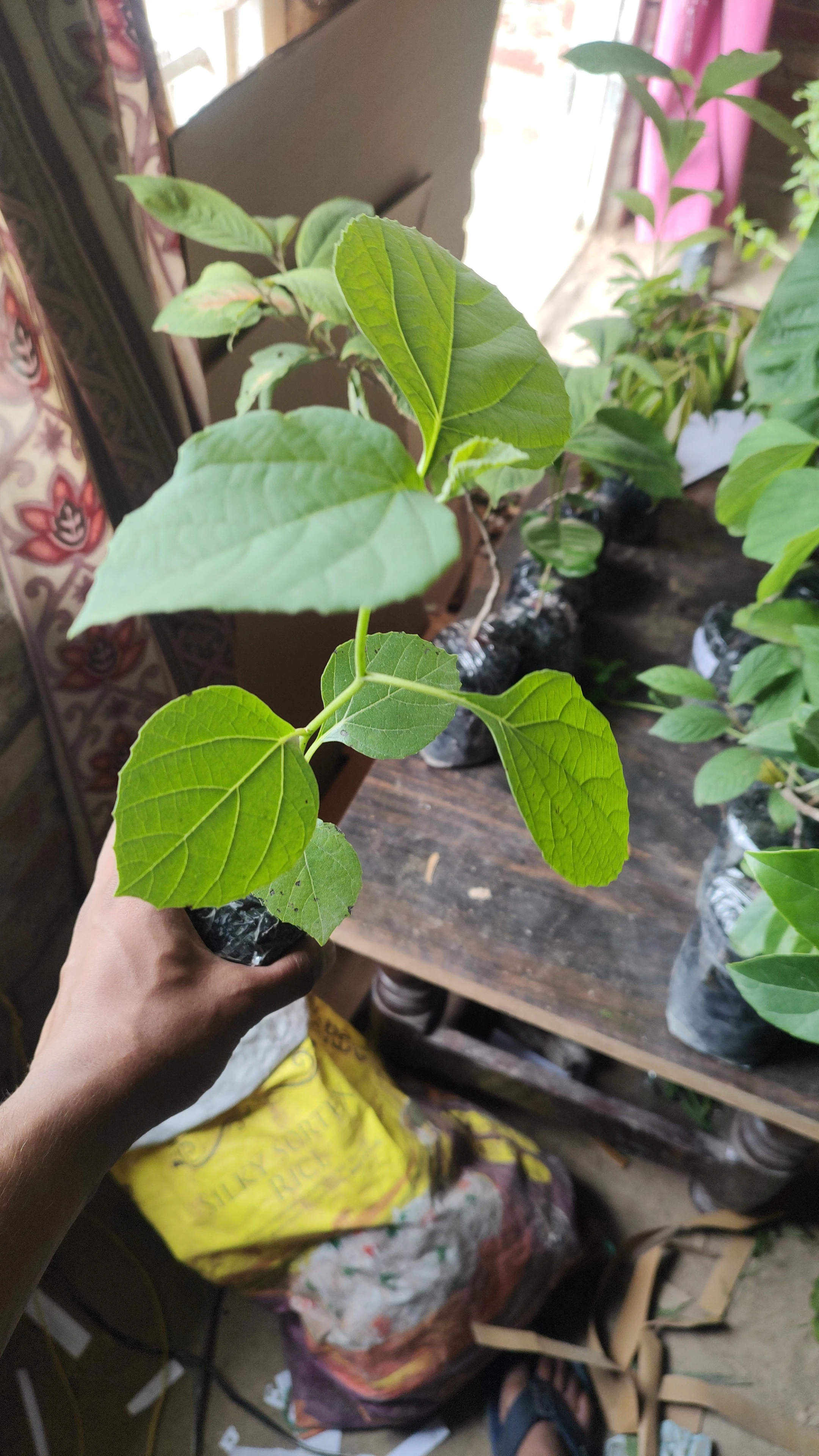
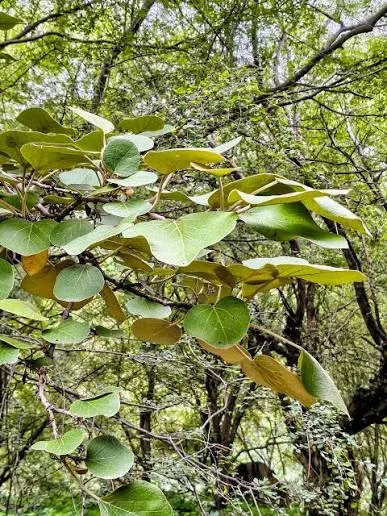
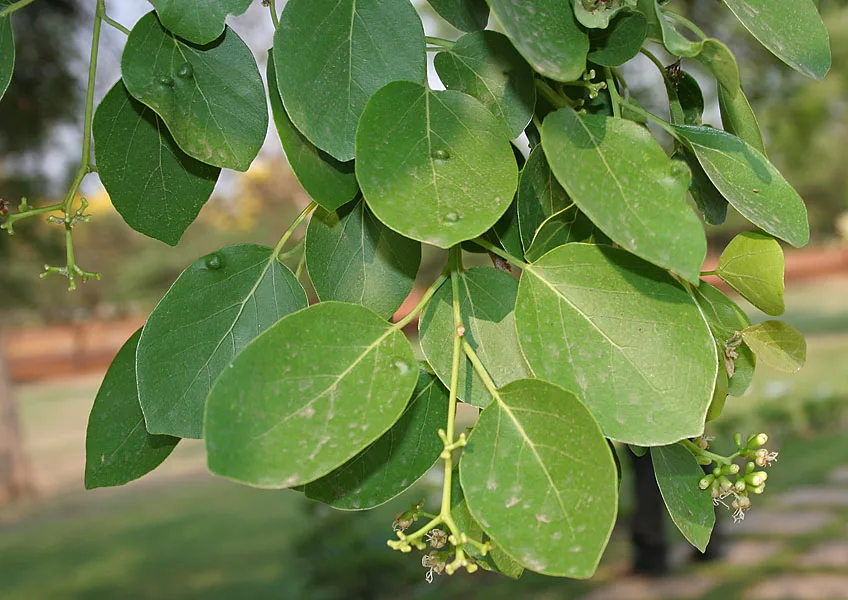
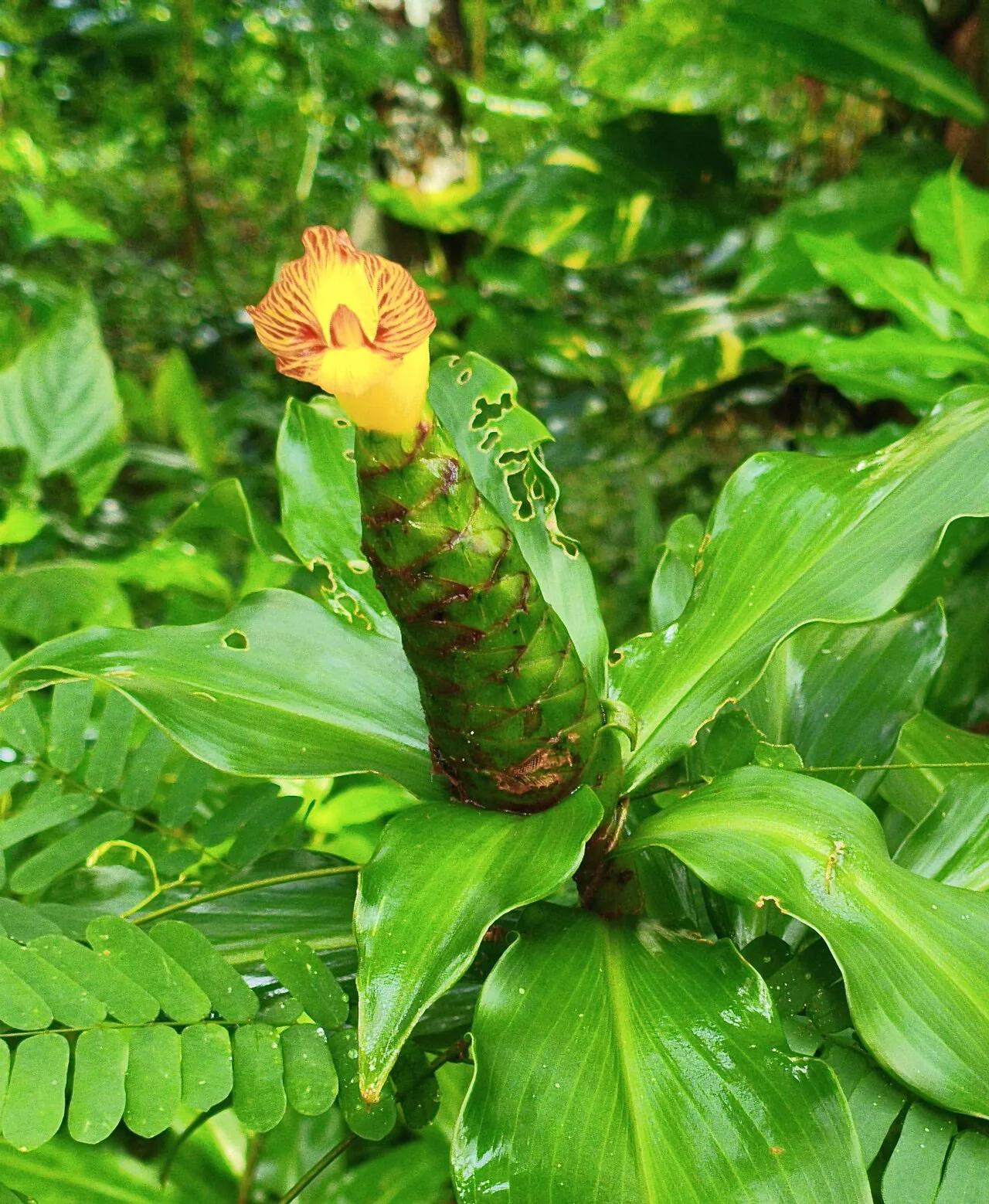
Vidarikand (Indian Kudzu) (Pueraria tuberosa)
Image: Vidarikand (Indian Kudzu)  • Family: Fabaceae (Leguminosae / Pea Family)
Available for Order

Order Vidarikand (Indian Kudzu)

Get a premium, nursery-grown Vidarikand (Indian Kudzu) (Pueraria tuberosa) plant delivered straight to your doorstep. Tap below to connect with us on WhatsApp to request real plant pictures, pot sizes, and shipping options.

Out of Stock
Order on WhatsApp

Vidarikand (Indian Kudzu) - Identification & Botanical Features

  • Root System & Tubers: Produces stringed, globose-to-ellipsoid subterranean tubers measuring 30–60 cm in length and weighing between 5 kg to upwards of 30 kg in mature wild vines. Outer cortex is greyish-brown and wrinkled; interior flesh is pure white, fibrous-crisp, and mucilaginous with a sweet, cooling taste.
  • Stem & Habit: Thick, woody, twining liana reaching diameters of 10–15 cm at the base. Young branches are densely covered with appressed greyish-silky trichomes (hairs).
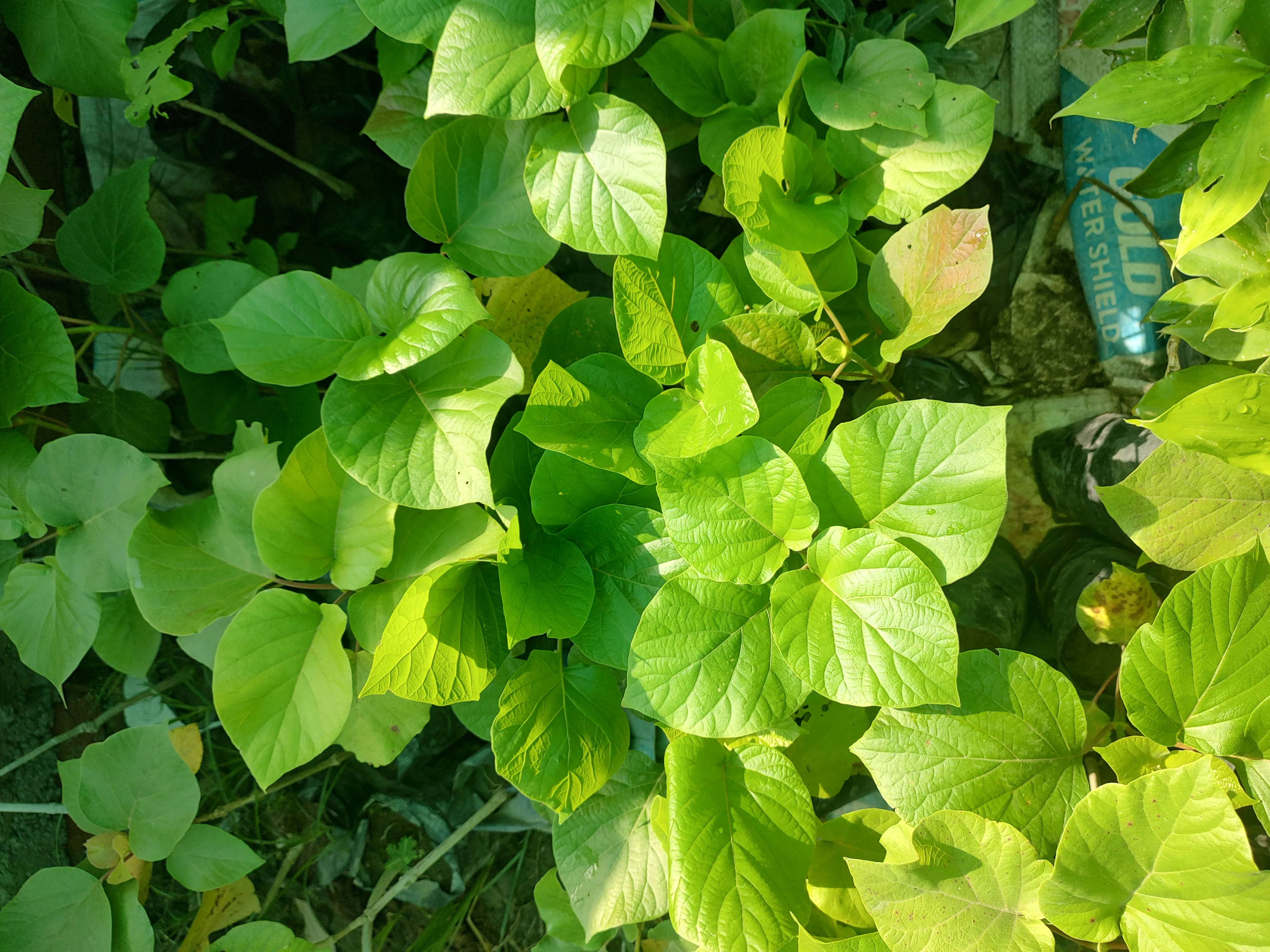
  • Foliage: Alternate, pinnately trifoliate leaves with petioles 10–20 cm long. The terminal leaflet is broadly ovate (12–22 cm long), unequal-sided at the base, glabrescent on top and silky-pubescent beneath.
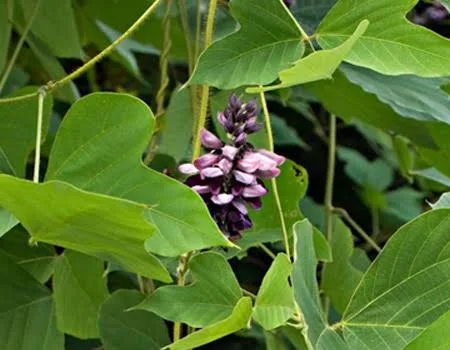
  • Inflorescence & Flowers: Showy, densely clustered axillary or terminal racemes (15–30 cm long) appearing in early spring before fresh leaf flush. Blossoms are papilionaceous (pea-like), 1.5 cm long, bright bluish-purple to pale violet.
  • Pods & Seeds: Linear-oblong, flat pods (5–8 cm long), densely clothed in persistent bristly, reddish-brown stinging hairs, containing 3–6 oblong seeds.

How to grow Vidarikand (Indian Kudzu)

  • Soil Aeration & Depth: Essential to plant in deep (minimum 3–4 feet soil depth), loose, well-draining sandy loam enriched with compost. Compact soils restrict tuber expansion and induce fungal rot.
  • Trellis & Structural Support: Requires a heavy-duty arbor, pergola, fence line, or natural companion tree (e.g., Neem, Haldu) to support its dense annual vegetative weight.
  • Sunlight & Climate Tolerances: Optimum growth occurs in subtropical to tropical climates with temperatures between 20°C and 38°C. Tolerates brief light frosts once established, but sheds foliage in winter.
  • Harvesting Cycle: Cultivated tubers reach optimum active phytochemical concentration within 3 to 5 years. Harvest is conducted strictly during the dormant winter season (November to January) after above-ground foliage wilts.

Horticultural, Timber & Ecological Uses

  • Soil Conservation & Nitrogen Fixation: As a nitrogen-fixing legume with deep lateral roots, it revitalizes depleted soil, binds loose rocky slopes, and prevents severe watershed erosion.
  • Nutritional & Commercial Starch: Tubers yield high-grade edible starch (similar to arrowroot), widely processed into nutritional supplements, energy blends, and herbal flours.
  • Livestock Fodder: High-protein foliage serves as nutritious drought-resilient fodder for cattle and goats during lean summer seasons.

Pueraria tuberosa - Traditional Uses

  • Classical Ayurvedic Pharmacodynamics: Possesses Madhura (sweet) and Tikta (bitter) tastes, Guru (heavy) and Snigdha (unctuous) attributes, with a distinctly Sheeta (cooling) potency and sweet post-digestive effect (Madhura Vipaka).
  • Dosha Modulation: Actively pacifies aggravated Vata and Pitta doshas while nourishing depleted Dhatus (body tissues), especially Rasa (plasma), Mamsa (muscle), and Shukra (reproductive).
  • Therapeutic Applications: Widely prescribed as a natural galactagogue (Stanyajanana) to improve breast milk supply in nursing mothers, a restorative tonic for emaciation and healthy weight gain (Brimhana), and a liver tonic (hepatoprotective) against metabolic heat and hyperacidity.
* Editorial Notice: Ethnobotanical and traditional Ayurvedic entries represent historical ethnographic documentation and should not be construed as clinical medical advice.

Frequently Asked Questions

What are the primary medicinal benefits of Vidarikand (Pueraria tuberosa)?
Vidarikand is extensively valued in Ayurveda as a rejuvenating Rasayana. Its primary therapeutic uses include supporting healthy body mass gain (Brimhana), enhancing natural lactation in breastfeeding mothers (galactagogue), boosting stamina and vitality, and soothing excess internal body heat.
How do you correctly identify the Vidarikand plant in the wild?
Pueraria tuberosa is identified by its large trifoliate leaves with silky-haired undersides, woody climbing stems, large pea-shaped bluish-purple flowers blooming in late winter/early spring, and massive white-fleshed subterranean sweet tubers.
What is the difference between Vidarikand and White Kudzu (Pueraria lobata)?
Pueraria tuberosa (Vidarikand) is native to India and South Asia, characterized by its cooling medicinal properties and massive edible tubers. Pueraria lobata (Japanese/Chinese Kudzu) is native to East Asia and is more aggressively invasive in temperate zones, though both belong to the same botanical genus.
How long does a Vidarikand plant take to produce harvestable tubers?
While the vegetative vine grows rapidly within its first season, subterranean tubers require 3 to 5 years of undisturbed growth in deep, loose, well-draining soil to accumulate the full spectrum of therapeutic isoflavones and starch.