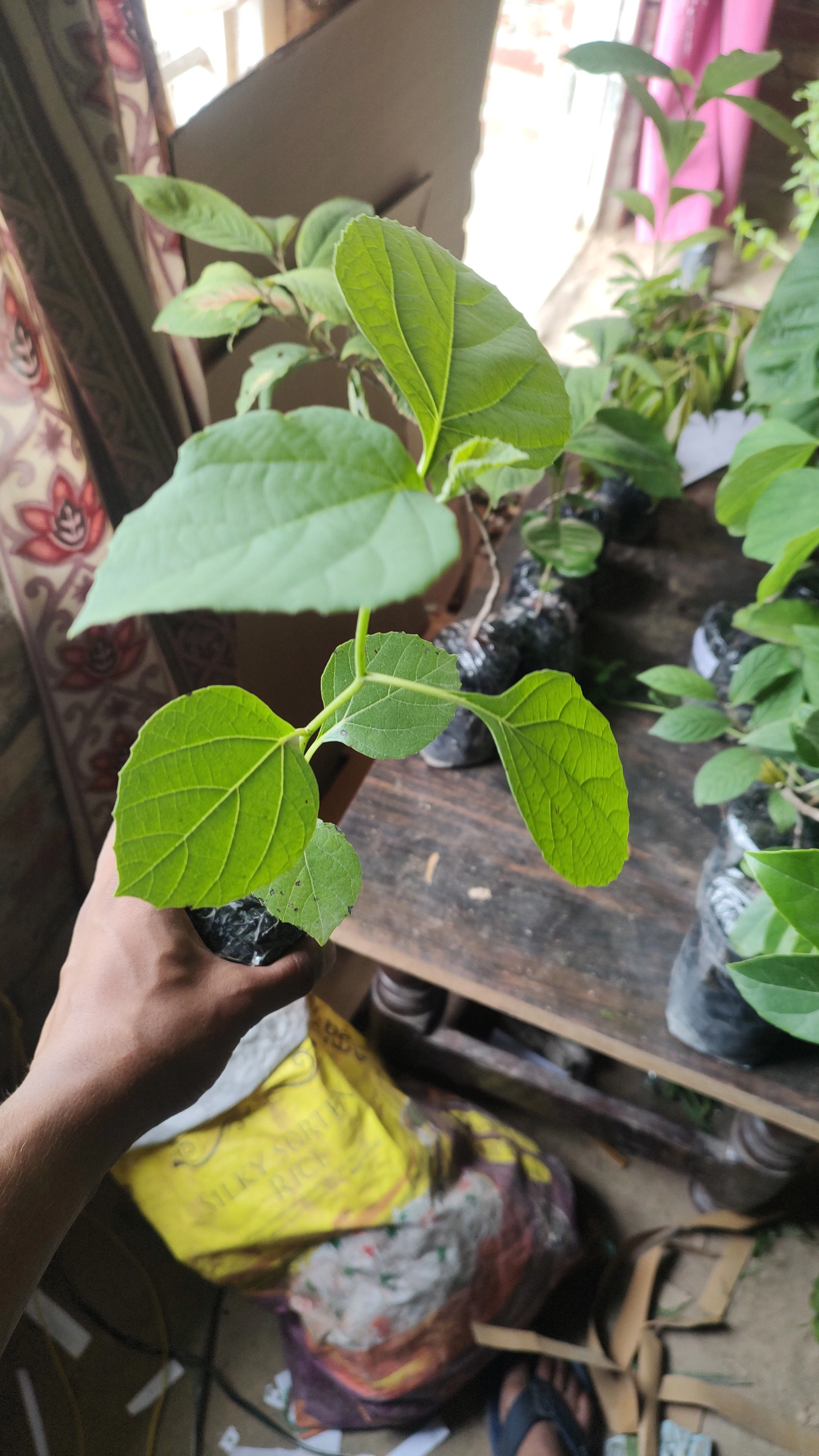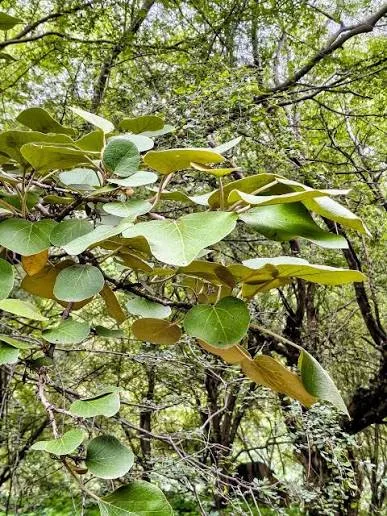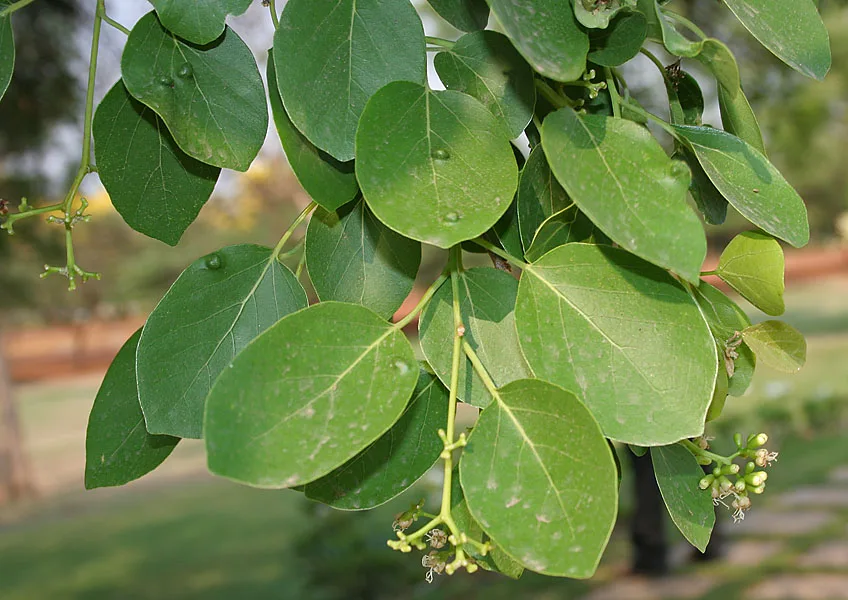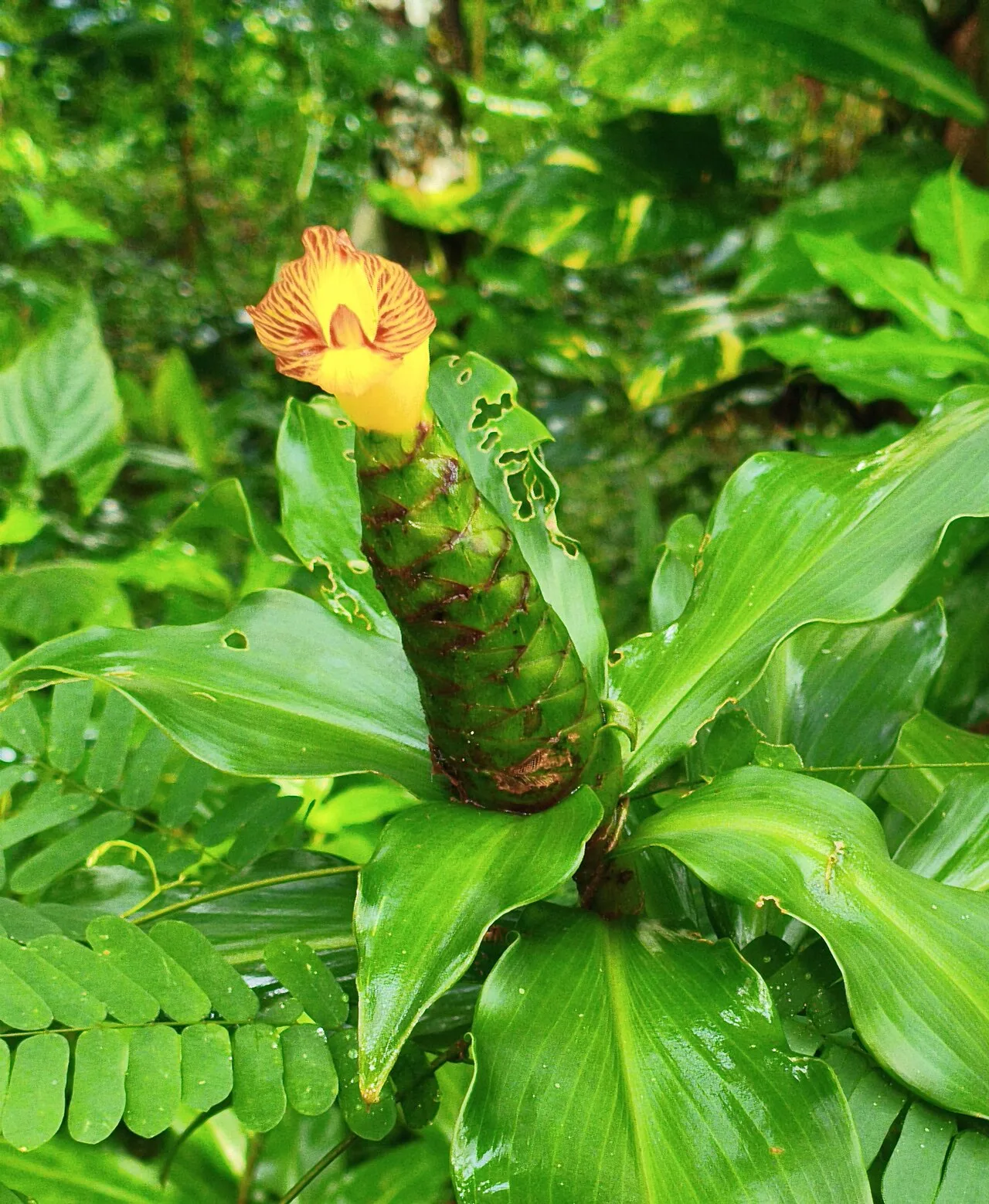
Perennial Rhizomatous Herb / Seasonal Geophyte

Kali Haldi (Black Turmeric) (Nalla Pasupu / काली हल्दी (Kali Haldi))

Curcuma caesia Roxb.
Also Known as: काली हल्दी (Kali Haldi), नर कचूर (Nar Kachur), कृष्ण केदार (Krishna Kedar), Nalla Pasupu, Karumanjal
Curcuma caesia Roxb., commonly known as Kali Haldi or Black Turmeric, is a perennial rhizomatous herb in the ginger family, Zingiberaceae. It is native to India, Bhutan and Bangladesh and grows as a seasonal geophyte, with its underground rhizome surviving when the above-ground foliage dies back. The plant is valued in Indian ethnobotanical traditions and is notable for its strongly aromatic rhizome, which can show bluish, greyish or purplish coloration when fresh. Scientific research has investigated its phytochemical composition and biological activities, while many of its traditional medicinal uses remain an area of ongoing research.
Botanical Family Zingiberaceae
Native Region India to Bhutan and Bangladesh, including parts of Central, Eastern and Northeast India
Growth Habit Perennial Rhizomatous Herb / Seasonal Geophyte
Mature Height Approximately 0.5 – 1 meter (1.6 – 3.3 ft), depending on growing conditions
Sunlight Partial Shade to Filtered Sunlight; protection from intense afternoon sunlight is beneficial in hot climates
Water Needs Moderate during active growth; substantially reduced during seasonal dormancy
Soil Dynamics Loose, fertile, organic-rich and well-draining soil; avoid prolonged waterlogging
Propagation Rhizome division using healthy rhizome pieces containing viable buds
Kali Haldi (Black Turmeric) (Curcuma caesia Roxb.)
Image: Kali Haldi (Black Turmeric)  • Family: Zingiberaceae
Available for Order

Order Kali Haldi (Black Turmeric)

Plant Price
350

Get a premium, nursery-grown Kali Haldi (Black Turmeric) (Curcuma caesia Roxb.) plant delivered straight to your doorstep. Tap below to connect with us on WhatsApp to request real plant pictures, pot sizes, and shipping options.

Kali Haldi (Black Turmeric) - Identification & Botanical Features

  • Rhizome: The underground rhizome is branched and strongly aromatic. Fresh rhizomes may show bluish, greyish or purplish coloration internally, giving the plant its common association with Black Turmeric.
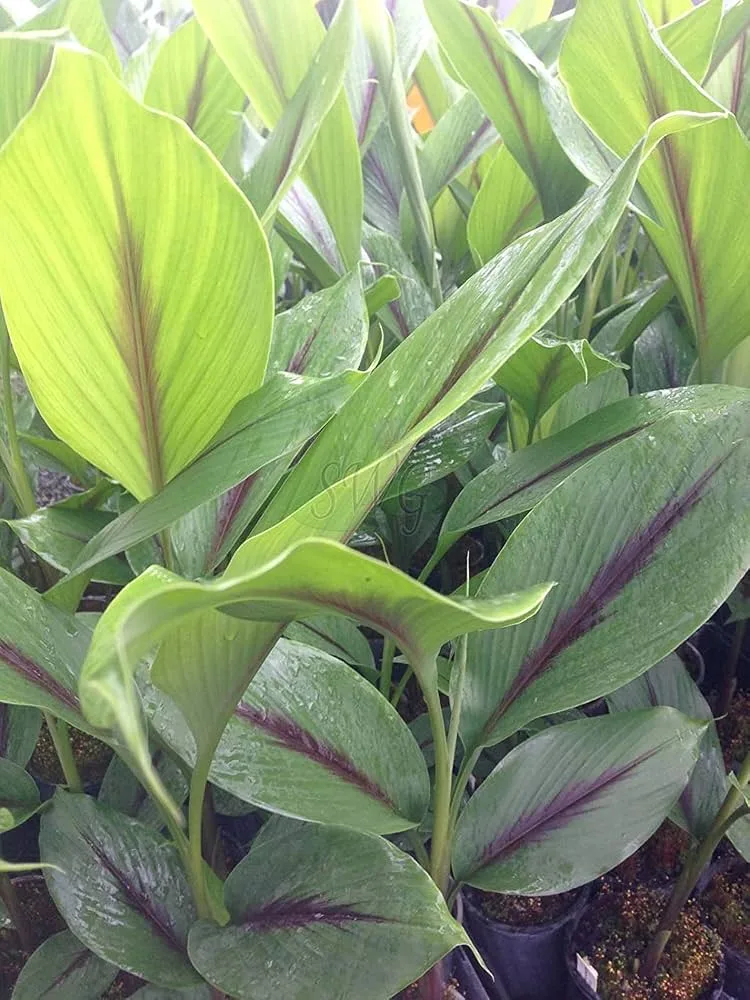
  • Foliage: Leaves are broad and lance-shaped and emerge from a compact pseudostem formed by overlapping leaf bases.
  • Leaf Midrib: A darker coloration along the central midrib can be visible and may provide an additional identification feature when considered with the rest of the plant.
  • Inflorescence & Flowers: Flowers develop in an inflorescence surrounded by overlapping bracts during the active growing season.
  • Growth Habit: The plant develops as a seasonal clump from an underground perennial rhizome. The aerial foliage may die back during the dormant period while the rhizome remains alive underground.

Identification note: Rhizome colour alone should not be treated as a definitive identification test. The complete plant and its botanical characteristics should be considered when identifying Curcuma caesia.

How to grow Kali Haldi (Black Turmeric)

  • Soil & Site Selection: Plant in loose, fertile, organic-rich soil with good drainage. Avoid heavy soil that remains saturated for long periods.
  • Sunlight & Climate: Kali Haldi generally performs well in partial shade or filtered sunlight. In hot regions, protection from intense afternoon sunlight can help prevent leaf scorching.
  • Watering: Maintain moderate and consistent moisture during active growth without keeping the soil waterlogged. Reduce watering substantially when the foliage naturally begins to dry back.
  • Container Growing: Use a wide container with drainage holes and enough room for the rhizome to spread. A loose, organic-rich potting mix is preferable.
  • Propagation & Maintenance: Healthy rhizomes containing viable buds can be divided for propagation. Mature compost or vermicompost can be incorporated into the growing medium during active growth.

Horticultural, Timber & Ecological Uses

  • Specialty Plant Cultivation: Kali Haldi is cultivated as an unusual rhizomatous plant and is of interest to medicinal-plant gardens, ethnobotanical collections and plant enthusiasts.
  • Ethnobotanical Importance: The species has a long history of traditional use in different parts of the Indian subcontinent.
  • Botanical Collection: Its distinctive rhizome, seasonal growth habit and relationship to other Curcuma species make it valuable for educational and botanical collections.
  • Ecological Role: As a seasonal understory herb, its foliage contributes to ground-level vegetation and organic matter within suitable natural habitats.

Curcuma caesia Roxb. - Traditional Uses

  • Traditional Use: Kali Haldi has been documented in Indian traditional and ethnobotanical practices for a variety of purposes.
  • External Applications: Traditional practices have included the external application of rhizome preparations for complaints associated with pain, swelling, bruising and certain skin conditions.
  • Respiratory & Digestive Traditions: Some traditional systems and local practices have used rhizome preparations for respiratory and digestive complaints.
  • Cultural Practices: In some communities, Kali Haldi has also been associated with ritual, spiritual and protective traditions.

These descriptions represent traditional and ethnobotanical knowledge rather than established medical treatments. Scientific evidence for therapeutic effects varies by preparation and study type, and traditional use should not be interpreted as proof of clinical effectiveness.

* Editorial Notice: Ethnobotanical and traditional Ayurvedic entries represent historical ethnographic documentation and should not be construed as clinical medical advice.

Frequently Asked Questions

How can I identify authentic Kali Haldi?
Kali Haldi is Curcuma caesia Roxb. Its fresh rhizome may show bluish, greyish or purplish coloration and has a strong aromatic smell. Identification should not depend on rhizome colour alone; the leaves, growth habit and other botanical characteristics should also be considered.
Is Kali Haldi the same as normal turmeric?
No. Kali Haldi is Curcuma caesia, while common turmeric is Curcuma longa. Both belong to the Curcuma genus but are different species.
How long does Kali Haldi take to grow?
Kali Haldi follows a seasonal growth cycle. Rhizomes sprout when temperature and moisture become favorable, produce foliage during the active growing period and may become dormant after the foliage naturally dies back.
Can Kali Haldi be grown in a pot?
Yes. Kali Haldi can be grown in a wide container with good drainage, loose fertile soil and partial or filtered sunlight. Avoid keeping the rhizome in continuously waterlogged soil.
What soil is best for Kali Haldi?
A loose, fertile and organic-rich soil with good drainage is suitable. Avoid heavy soil that remains saturated around the rhizome for extended periods.
Does Kali Haldi need full sunlight?
Kali Haldi generally grows well in partial shade or filtered sunlight. In hot climates, protection from intense afternoon sunlight can help reduce leaf scorching.
How is Kali Haldi propagated?
Kali Haldi is commonly propagated by dividing healthy rhizomes into pieces containing viable buds. These divisions can then be planted in warm, well-draining soil.
Why do Kali Haldi leaves dry out?
The plant has a seasonal growth cycle. Its leaves may naturally yellow and dry back when the plant enters dormancy, while the underground rhizome remains alive and can produce new shoots when favorable conditions return.
When should Kali Haldi rhizomes be planted?
Planting at the beginning of the warm and rainy growing season is generally suitable because increasing temperature and soil moisture encourage dormant rhizomes to sprout. The exact timing depends on the local climate.
What are the traditional uses of Kali Haldi?
Kali Haldi has been used traditionally in different Indian ethnobotanical practices for purposes associated with pain, inflammation, respiratory complaints, digestive problems and certain skin applications. These are traditional uses and should not be presented as clinically proven treatments.
Is Kali Haldi scientifically proven to treat diseases?
Research has investigated the phytochemical composition and biological activities of Curcuma caesia and related Curcuma species. Some experimental studies have reported antioxidant, antimicrobial and anti-inflammatory activity, but these findings do not establish that Kali Haldi treats a specific disease in humans.
Related Plant Tags
#Medicinal Plant #Native Indian Plants
Knowledge Matrix

Related & Latest Botanical Articles

View all articles →
Rare Ethnobotanical Plants

Krishna Vat Plant (Makhan Katori): Identification, Care & Complete Growing Guide

Krishna Vat (Ficus krishnae), also known as Makhan Katori or Krishna's Butter Cup, is a distinctive Indian fig tree recognized by its unusual cup-shaped leaf bases. Learn how to identify Krishna Vat, understand its botanical characteristics, grow it in a pot or open ground, propagate it, and care for it in tropical and subtropical conditions.

Sep 18, 2026 • 12 min read
Taxonomic Relatives & Notable Species

Related & Notable Species (Zingiberaceae)

View all plants →

Dahiman Plant

Cordia macleodii Hook. f. & Thomson
Vernacular: Dahiman, Dahipalas, Sitapatra, Dahiwan, Shikari, सीतापत्ता

Learn how to identify Dahiman (Cordia macleodii), including its leaves, bark, flowers, traditional uses, cultivatio...

Lasoda

Cordia dichotoma G. Forst.
Vernacular: Lasoda, Lasura Gunda Bhokar Indian Cherry, Glue Berry Shleshmataka

Discover Lasoda Plant (Cordia dichotoma / Gunda). Learn tree identification, fruit health benefits, pickle uses, se...

Haldu Tree

Haldina cordifolia
Vernacular: हलदू (Haldu), करम (Karam), Haridru (हरिद्रु), Dharakadamba

Comprehensive botanical profile of Haldu Tree (Haldina cordifolia). Explore identification characteristics, timber ...

Kali Haldi (Black Turmeric)
350 In Stock
Order Plant