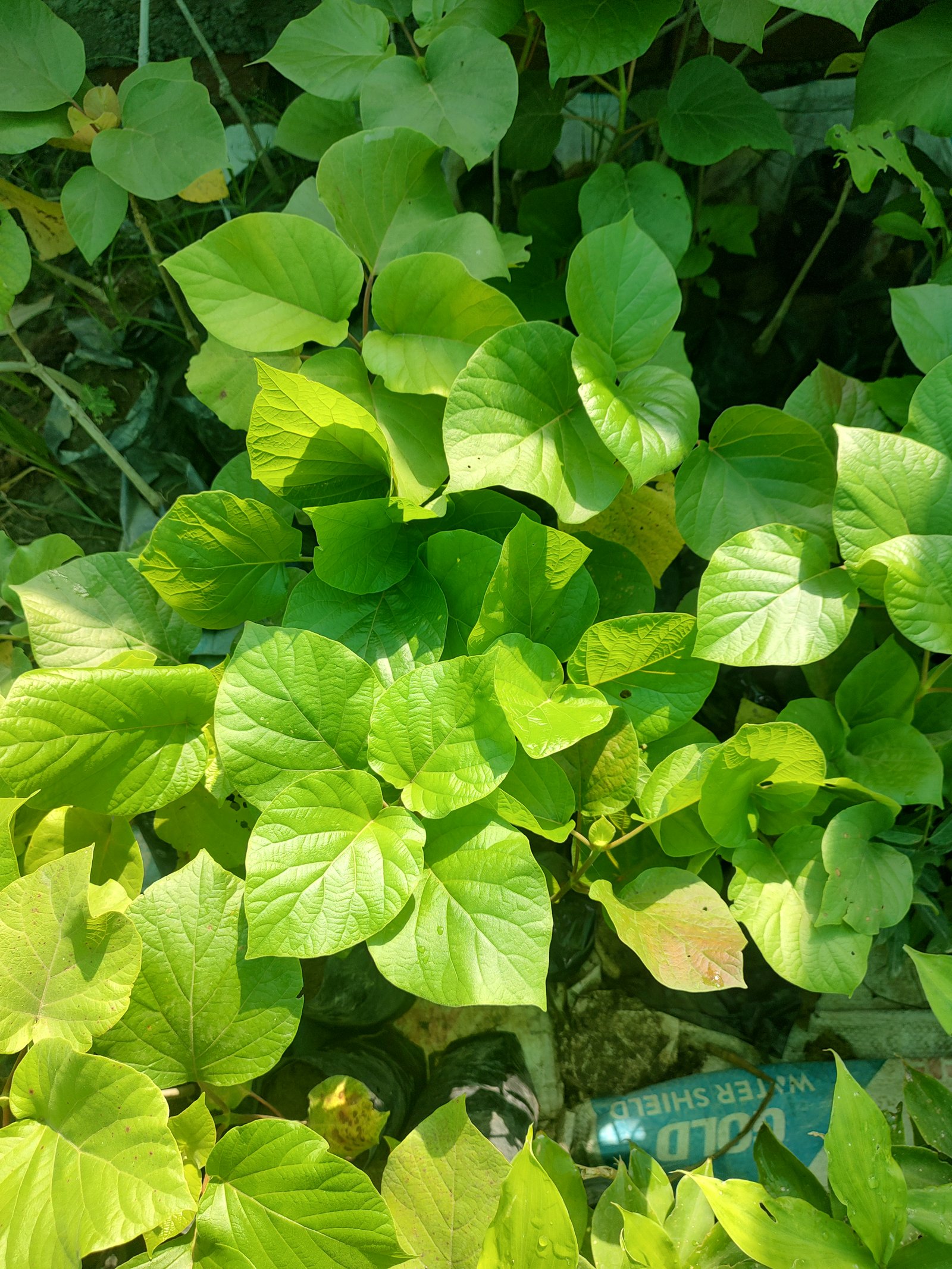
Haldu Plant
Haldina cordifolia
Discover the Haldu Tree (Haldina cordifolia), a majestic Indian hardwood famed for its vibrant yellow timber, known as Yellow Teak. Explore its Ayurvedic health benefits, botanical features, and durable wood uses in traditional carving and furniture.
🌱 Related Medicinal Plants
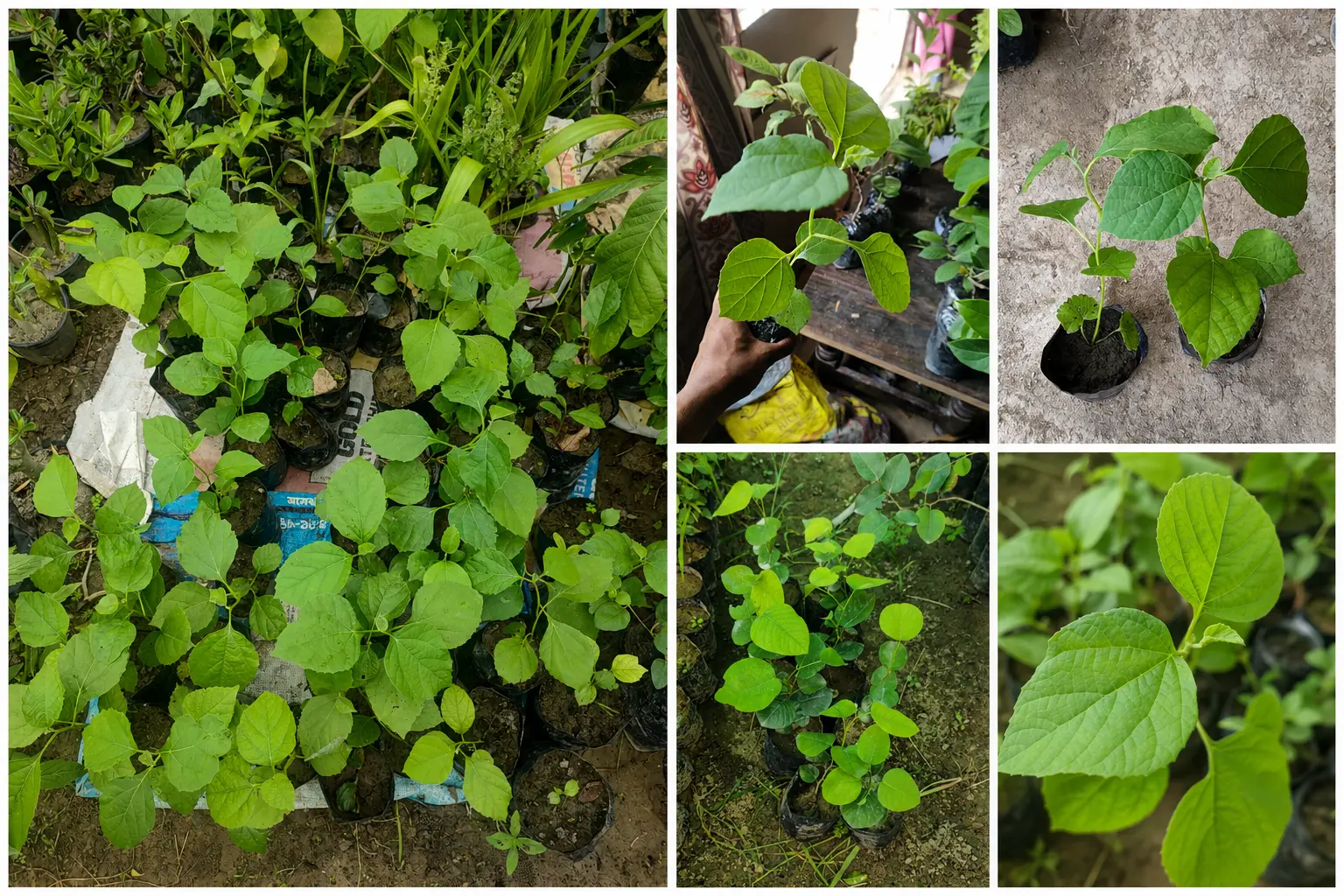
1. Botanical Identity & Taxonomy
2. Traditional Ayurvedic Profile (Dravyaguna)
Ayurvedic & Ethnomedicinal Narrative:
Haldu (Haridra, Haldu, Kadam Haldu) is valued in traditional Ayurvedic and folk medicine for its cooling, astringent, and tissue-healing properties. Although not a major classical Rasayana drug, its bark and leaves have long been used by tribal communities and regional Ayurvedic practitioners.
Traditionally, the stem bark is administered as a decoction to support digestive health, relieve diarrhea and dysentery, reduce inflammatory conditions, and assist wound healing. Bark paste is applied externally over cuts, ulcers, boils, eczema, and various skin disorders because of its cleansing and healing properties.
The leaves are occasionally used as poultices for localized inflammation and swollen joints, while bark decoctions are traditionally consumed during intermittent fever and general debility in several regions of India. Traditional practitioners also describe the bark as beneficial in promoting healthy liver function and maintaining normal blood sugar levels, although these uses are based primarily on ethnomedicinal knowledge.
3. Modern Phytochemistry & Phytotherapy Classification
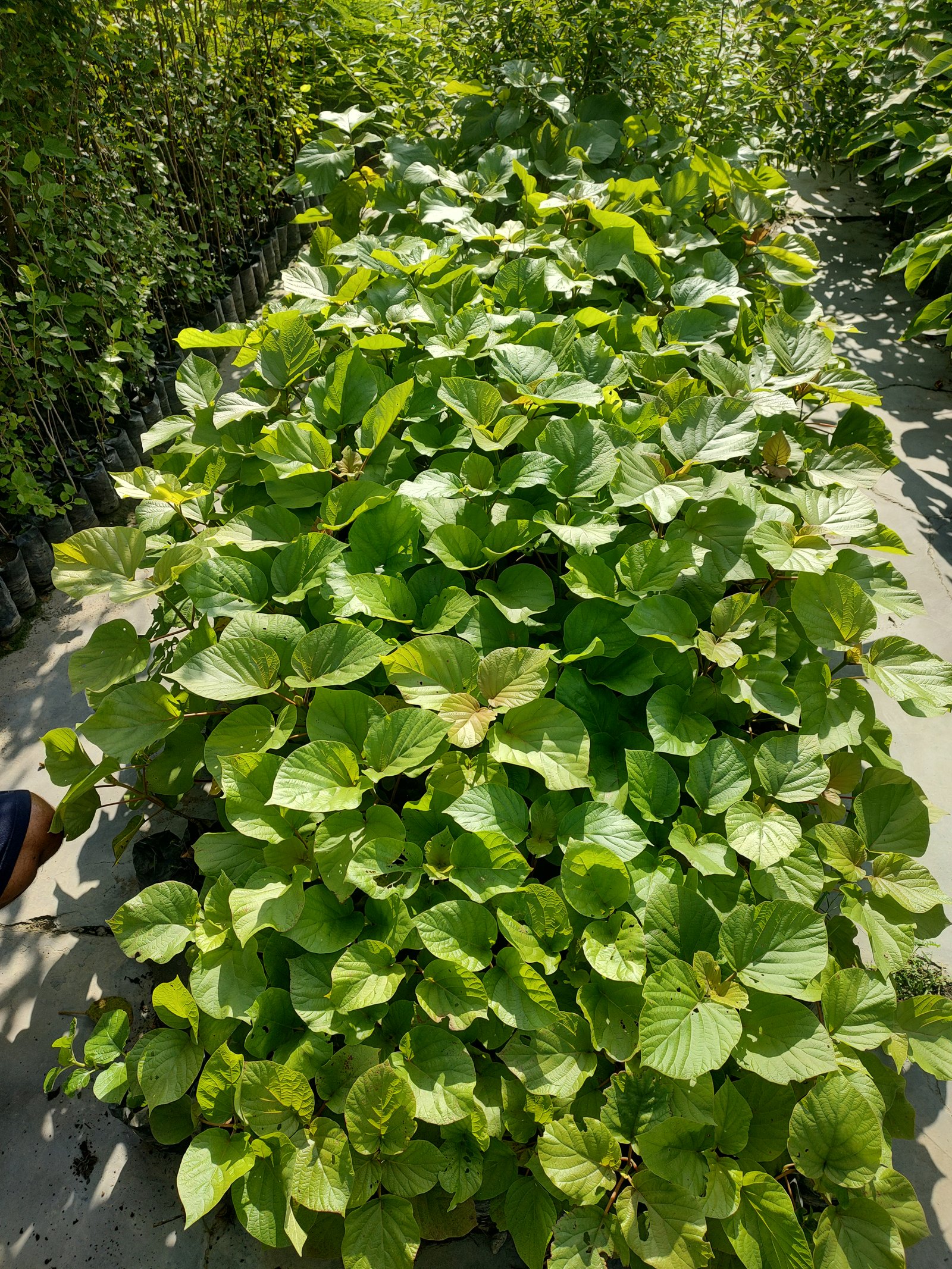
4. Horticultural & Propagation Guide
5. Toxicology, Precautions & Safety Parameters
Pharmacovigilance Profile🎥 Botanical Video Documentary

7. Frequently Asked Questions
8. Scientific Literature Citations
Phytochemical Profile and Hepatoprotective Efficacy of Haldina cordifolia Bark Extract
PubMedIn vivo study demonstrating significant reduction in ALT/AST liver enzyme levels.
Haldina cordifolia: A potential plant in drug discovery research
JournalAilments are the always together companions of the life. The labors to heal ailments and the aspiration to attain liveliness and prolonged existence encouraged the early man to explore the natural surroundings. In his pursuit, the herbs became the early medicines of the man. Astonishingly, still 80℅ of the world population relies on traditional medicines. World Health Organization encourages the traditional medicines as they are economical, easily and copiously available, and also comparatively free from side effects. There are many medicinal herbs and spices, which find place in day-to-day uses, many of these, are used as herbal remedies. Some insignificant ailments like common cold; cough etc. may be cured by herbal remedies with employ of medicinal properties of spices. The effectiveness of herbal remedies brought us interest to study this vital plant which has numerous therapeutic ranges and has also provide researcher for the future scope of work. Haldina cordifolia is very important plant having wide range of activities and can be helpful for finding novel molecules in drug discovery research.