Kushwaha Herbs & Plants
© 2026 Kushwaha Herbs & Plants. Botanical Heritage Platform.

Dahiman / Dahipalash

Cordia macleodii (Griff.) Hook.f. Thomson

Sanskrit (Ayurvedic) शीतापत्र, दधिमन्थ
Hindi Vernacular दहीमन, दहीपलाश
English Common Firr Tree, Macleod Cordia

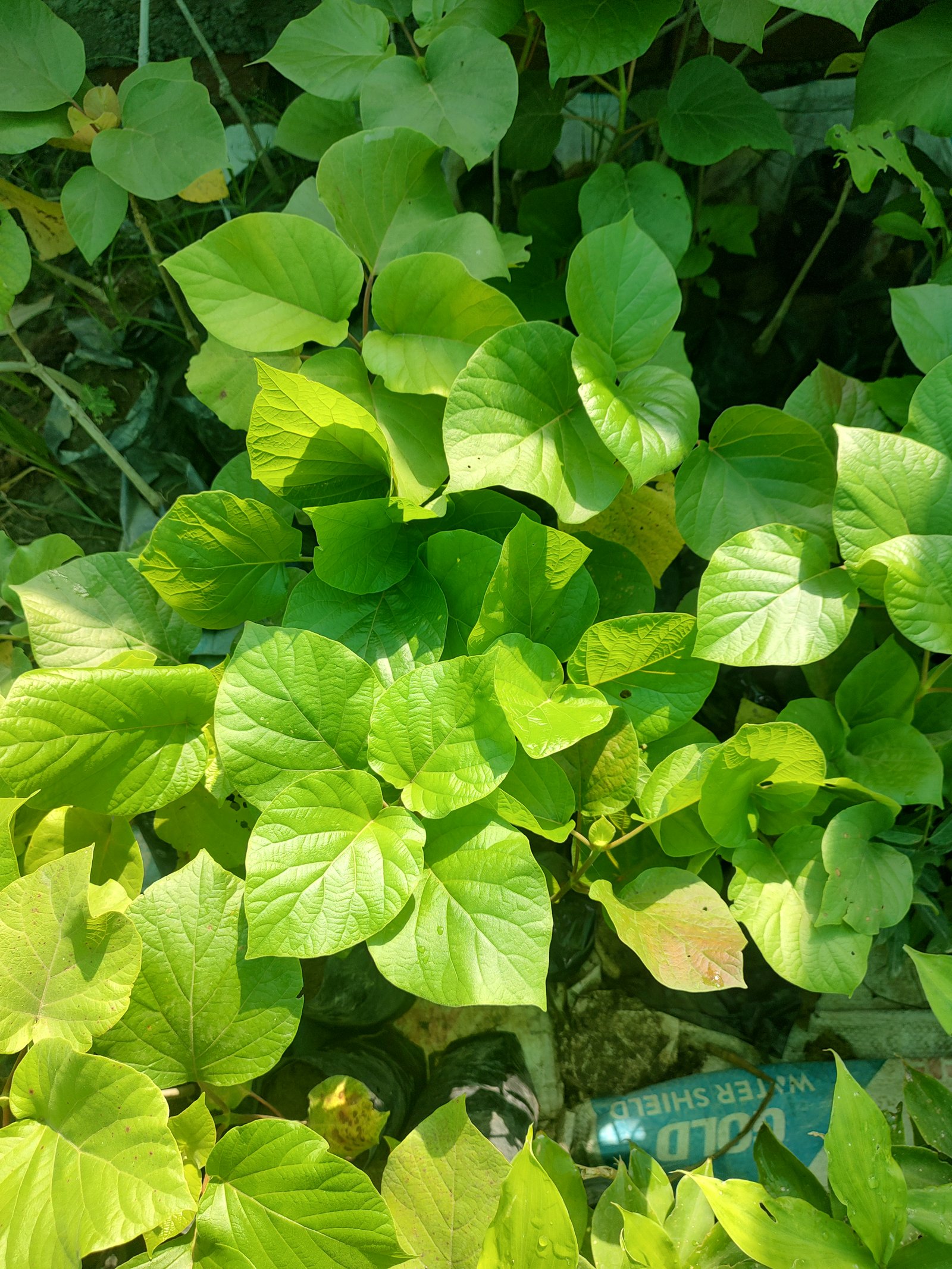
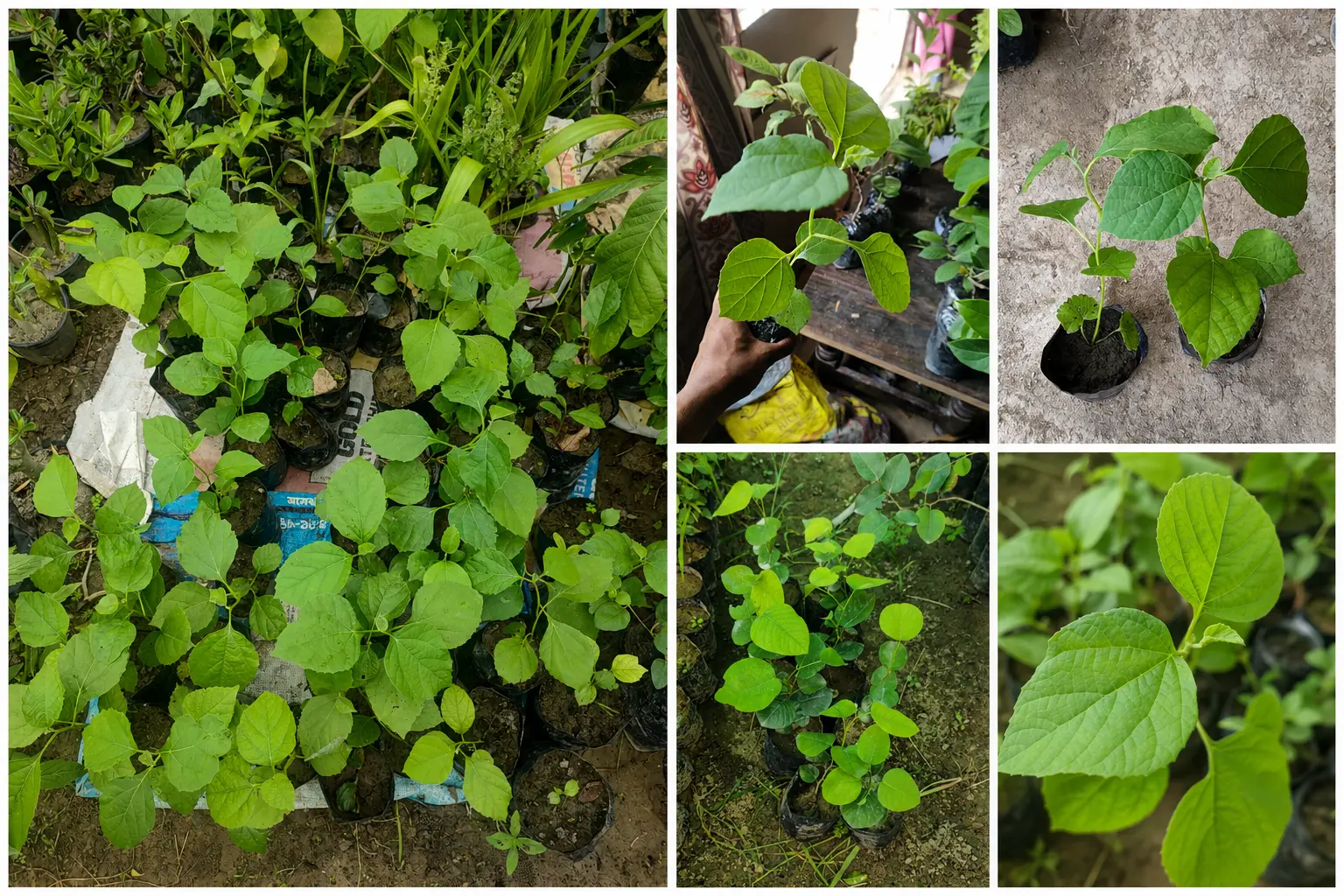
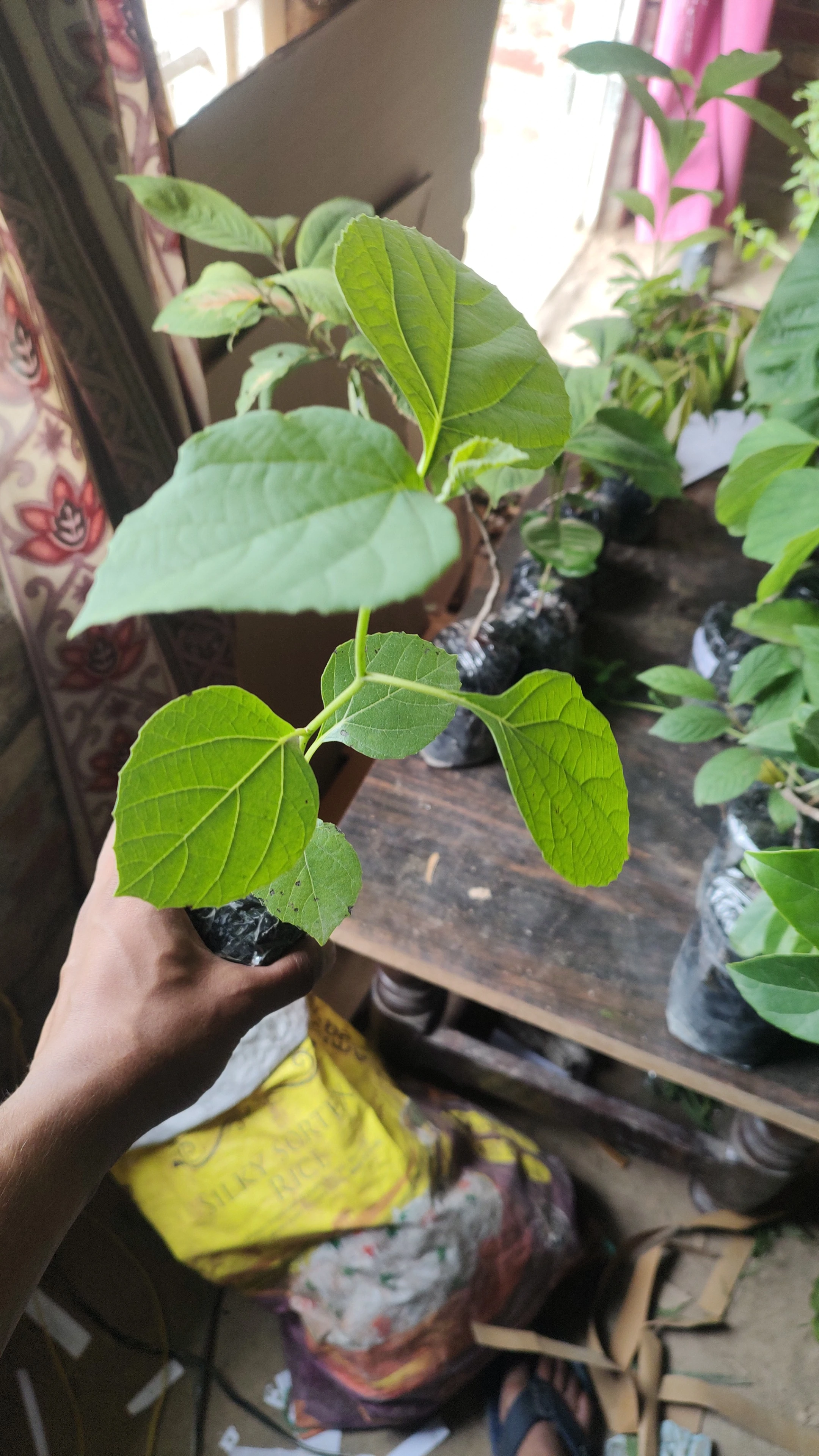
Cordia macleodii (commonly known as Dahiman or Dahipalash) is a medium-sized, rare, and ethnomedicinally valuable deciduous tree endemic to the dry tropical biomes and deciduous forests of Central and Peninsular India. Belonging to the Boraginaceae family, it features broadly ovate leaves with dense, velvety woolly undersides, white fragrant flowers, and small ovoid drupes.

Sunlight: Full Sun
Water: Low to Moderate (regular watering during establishment; drought tolerant after establishment)
Height: 10–15 m
In Stock
Pan India Delivery Available
Order on WhatsApp Order
Height
10–15 m

1. Botanical Identity & Taxonomy

A medium-sized deciduous tree reaching 10–15 m in height with a rounded, spreading crown. Bark is grey to dark brown and becomes rough and fissured with age. Leaves are simple, alternate, broadly ovate to cordate, 8–20 cm long, with entire margins and a velvety texture on young growth. Small creamy white to pale yellow fragrant flowers appear in loose terminal or axillary cymes during late winter and spring. Fruits are globose drupes that mature from green to yellowish-brown and contain a single hard seed. The species develops a strong taproot and is adapted to dry deciduous forest ecosystems.

Native Region Naturally distributed across Madhya Pradesh, Chhattisgarh, Maharashtra, Odisha, Andhra Pradesh, Karnataka, Telangana, and adjoining dry deciduous forest regions.
Growth Habit Moderate
Fruiting Period May–August
Flowering Period February–April
Conservation Status Least Concern

2. Traditional Ayurvedic Profile (Dravyaguna)

Dravyaguna Energetics & Pharmacodynamics
Rasa (Taste) Kashaya, Tikta
Guna (Qualities) Laghu, Ruksha
Virya (Potency) Sheeta
Vipaka (Post-Digestive) Katu
Prabhava (Specific Action) Vrana Ropana (traditional), Shothahara (traditional)
Parts Used: Leaf Bark
Preparation Methods: Decoction (Kwath) Paste (Kalka) Fresh Juice (Swarasa)
Ayurvedic & Ethnomedicinal Narrative:

Dahiman (Dahipalash) is traditionally used in tribal and folk medicine of Central and Peninsular India. The bark is valued for wound healing and management of skin disorders, while leaves are applied externally on cuts, boils, swellings, and inflammatory conditions. Bark decoctions have been used in indigenous medicine for diarrhea, dysentery, fever, and general weakness. Rural communities also use various plant parts in veterinary medicine. Unlike many Ayurvedic herbs, Dahiman has very limited documentation in the major classical Ayurvedic Samhitas and is primarily recognized through regional ethnomedicinal traditions.

Classical Pharmacopoeia References: Primarily documented in regional ethnobotanical literature and tribal medicinal records. Limited or no direct mention in Charaka Samhita, Sushruta Samhita, or Ashtanga Hridaya.

3. Modern Phytochemistry & Phytotherapy Classification
Major Isolated Bioactive Phytochemicals:
Phenolic compounds, Flavonoids, Tannins, Glycosides, Saponins, Alkaloids (reported in preliminary phytochemical screening)
Demonstrated Pharmacological Activities:
Antioxidant, Anti-inflammatory (preliminary), Antimicrobial, Wound healing, Hepatoprotective (experimental evidence limited)
Medicinal Actions: Anti-inflammatory Antioxidant Antimicrobial Wound Healing
Body Systems: Digestive System Immune System Skin & Integumentary
Target Health Conditions: Diarrhea Fever Wounds Dysentry Skin Disorders
Evidence Level Ratings
Traditional
Medicinal Use Caution: Preliminary experimental and ethnomedicinal evidence suggests potential properties. More human clinical studies are required before therapeutic use can be recommended.
Dahiman Plant
Dahiman / Dahipalash Plant

4. Horticultural & Propagation Guide

Sunlight Exposure
Full Sun
Water Requirement
Low to Moderate (regular watering during establishment; drought tolerant after establishment)
Soil & Substrate
Well-drained sandy loam, loam, or red so...

5. Toxicology, Precautions & Safety Parameters

Pharmacovigilance Profile
Pregnancy Safety Status Avoid
Lactation Safety Status Avoid
Clinical Dosage Range No standardized clinical dosage established.
Clinical Contraindications
Known allergy to Cordia species, severe liver disease without physician supervision, unknown safety in children.
Known Herb-Drug Interactions
No clinically documented interactions. Exercise caution when used alongside anti-inflammatory or anticoagulant medications until further evidence becomes available.
Botanical Medical Disclaimer & Precautions
Use only under guidance of a qualified Ayurvedic physician. Avoid prolonged self-medication due to insufficient toxicological data. External application is generally preferred in traditional practice.

🎥 Botanical Video Documentary

Dahiman / Dahipalash Video Documentary
💡 Watch detailed field identification, Ayurvedic preparation methods, and medicinal uses of Dahiman / Dahipalash.

8. Scientific Literature Citations

Cordia macleodii (Griff.) Hook. f. & Thomson (Boraginaceae) – A Comprehensive Review
Journal

Comprehensive review covering taxonomy, ethnomedicinal uses, phytochemistry, pharmacognosy, pharmacological activities, conservation status, and traditional applications of Cordia macleodii.

Authors: R. L. S. Sikarwar, B. A. Chopade (2024)
View Source Citation
Cite This Botanical Record
Kushwaha Plants (2026). Dahiman / Dahipalash (Cordia macleodii (Griff.) Hook.f. Thomson) Botanical Monograph. Kushwaha Botanical Heritage Platform. https://kushwahaplants.com/plant/dahiman-dahipalash-cordia-macleodii-griff-hook-f-amp-thomson